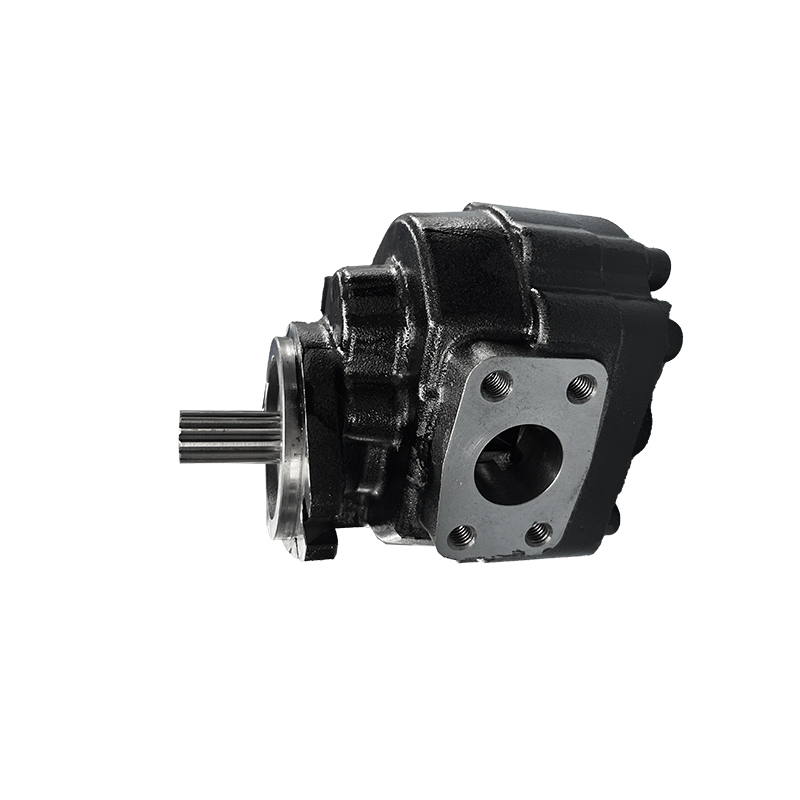
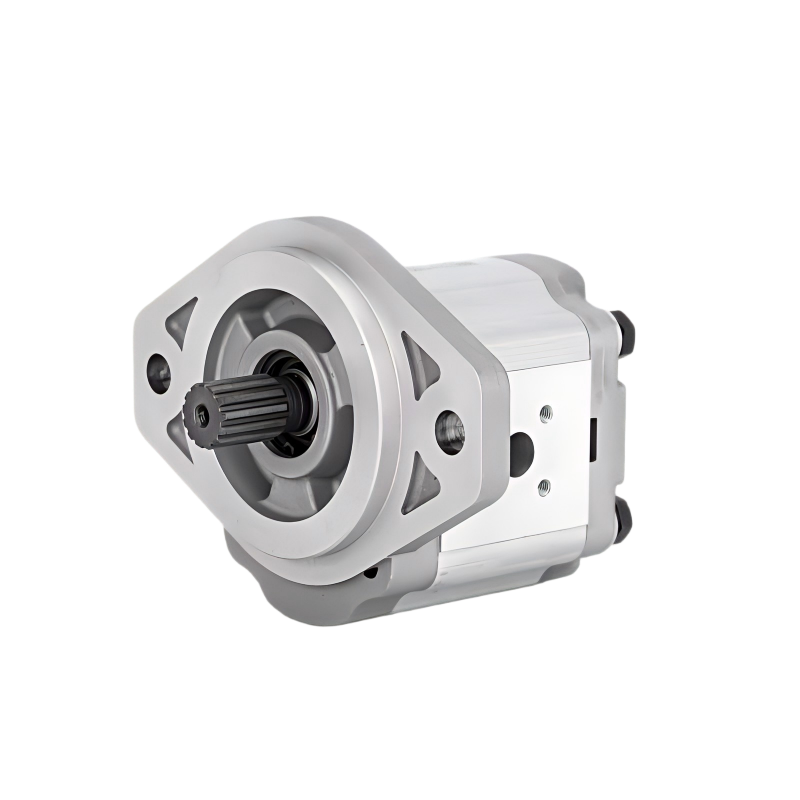
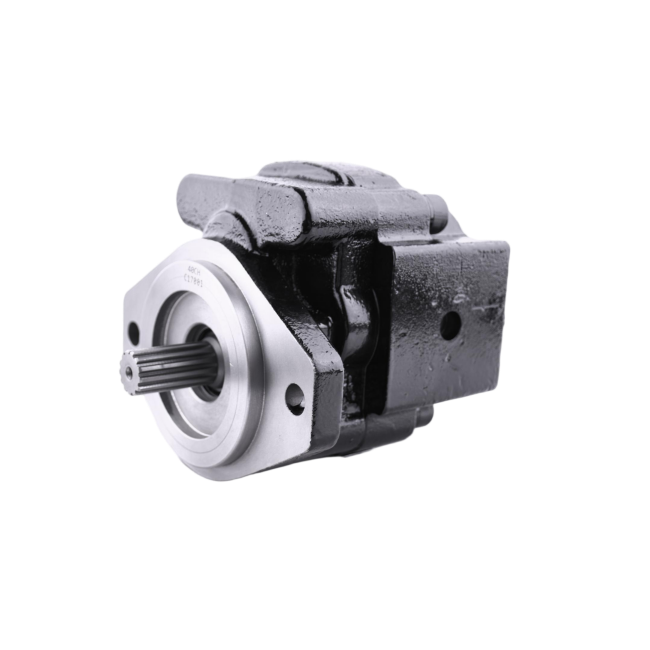
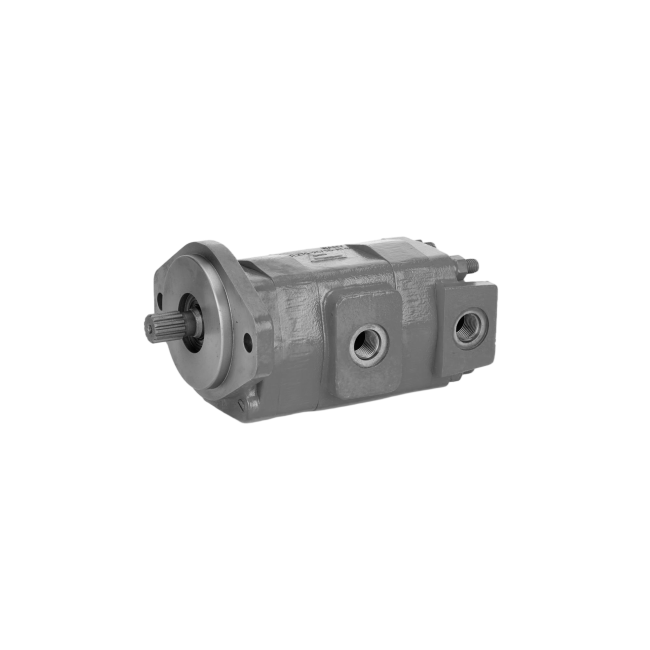
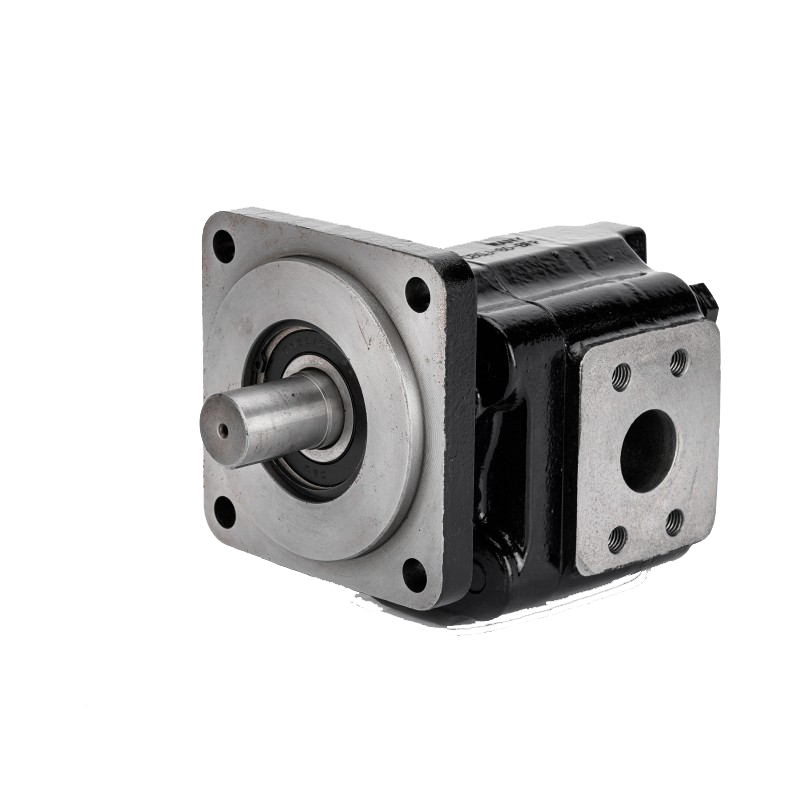
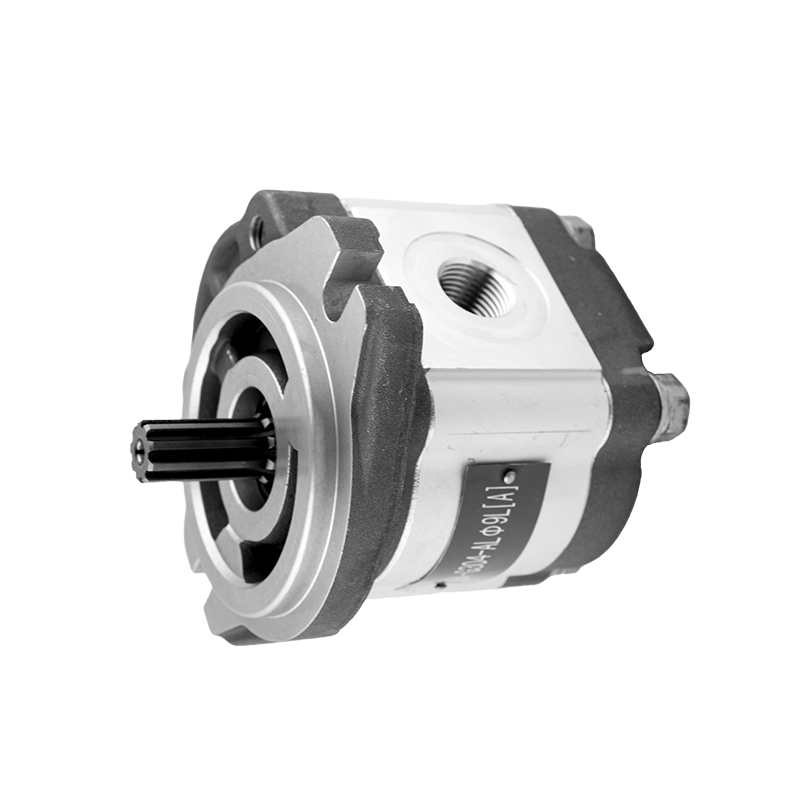
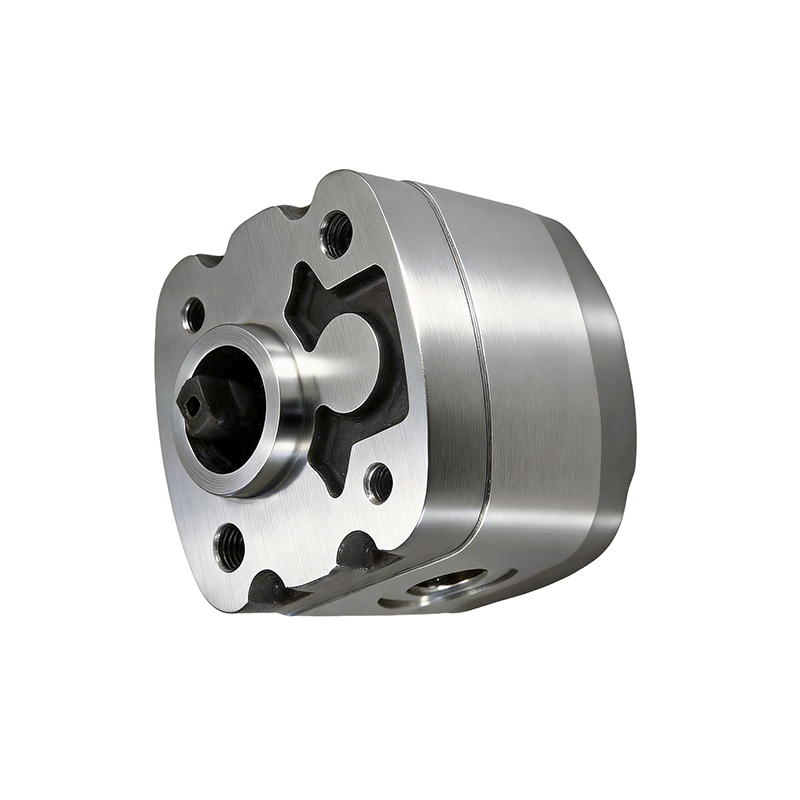
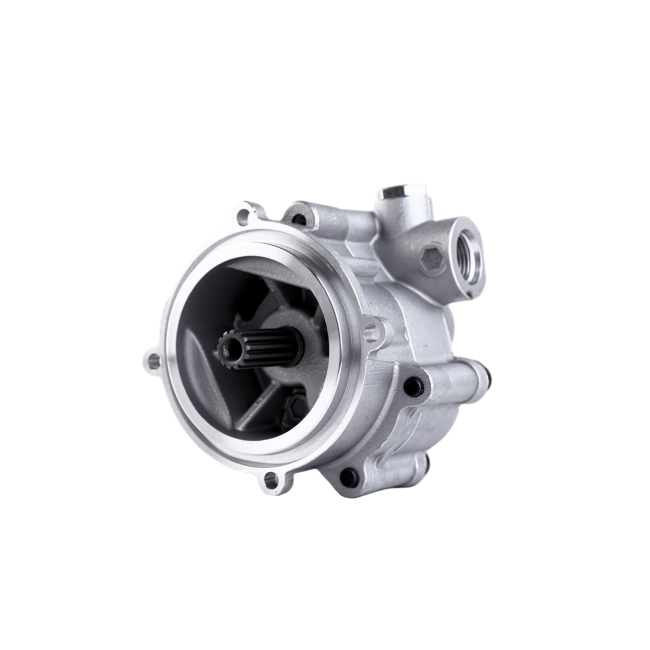
High-efficiency fluid power units calibrated specifically for forklift mast lifting, auxiliary steering, and heavy load actuation
Navigating the Paradigm Shift Toward Electrification and Energy-Efficient Fluid Power in Intralogistics
The global material handling industry is undergoing an unprecedented technological revolution. Driven by environmental regulations, warehouse space optimization, and the surge of automated intralogistics, equipment manufacturers (OEMs) of Class I, Class II, and Class III industrial trucks are aggressively replacing internal combustion systems with high-voltage lithium-ion platforms. In this electro-hydraulic framework, the hydraulic gear motor is no longer an isolated fluid displacer; it is the fundamental bridge converting battery-stored electrical power into smooth, micro-metered mechanical actuation.
Unlike diesel or LPG forklifts, electric forklifts operate within strictly enclosed spatial architectures with minimal convective airflow. The hydraulic motor powering the lift cylinder, tilt mast, and auxiliary steering must exhibit both extraordinary power density and low thermal dissipation. Heavy cast iron units, while historically durable, introduce redundant deadweight that degrades battery run-time per cycle and exhibits low thermal conductivity, causing hydraulic oil to overheat in continuous duty warehouse shifts.
Aluminum hydraulic gear motors have emerged as the premier industry benchmark. Featuring extruded aluminum housings made from high-strength aerospace alloys, these units offer a 40% to 55% reduction in total component weight while providing a thermal conductivity rating roughly three times that of cast iron. This ensures immediate heat rejection to the environment, preventing viscosity breakdown in ISO VG 32 and 46 hydraulic fluids and dramatically extending the operational lifespan of seals, bearings, and electro-proportional valves.

High strength-to-weight ratio minimizes the parasitic tare weight on battery-driven counterbalance forklifts and AGVs, preserving ampere-hour energy capacity for extended operating shifts.
High thermal conductivity of aircraft-grade aluminum disperses localized frictional heat instantly, protecting elastomer shaft seals, stabilizing viscosity, and preventing oil oxidation.
Advanced circular arc helical tooth profiles and anti-trapping relief grooves attenuate pressure pulsation, reducing operational decibel emissions below 65 dB(A) for quiet indoor warehousing.
Inside the High-Pressure Hydrostatic Mechanics of Aluminum Gear Motors
Hydraulic gear motors utilized in material handling machinery endure severe hydraulic shock loads during rapid mast elevation, lowering deceleration, and high-frequency inching maneuvers. To withstand dynamic pressures surpassing 250 bar (3625 PSI) without housing ballooning or internal volumetric slip, the motor body is hot-extruded from specialized 2000-series or 7000-series aluminum-copper/aluminum-zinc alloys.
Volumetric efficiency in external gear motors is predominantly compromised by two leak pathways: radial clearance across gear tip perimeters and axial clearance against gear lateral faces. Our advanced design incorporates dynamic pressure-balanced compensation plates. Utilizing high-load DU composite self-lubricating PTFE bushings, hydraulic line pressure is precisely channeled into kidney-shaped elastomer sealing cavities on the back of the thrust plates. This creates an automatic hydraulic balance: as system pressure spikes during mast lift under full payload, the side plates dynamically compress against the gear faces, keeping volumetric efficiency above 93% even under continuous high-stress duty.
Furthermore, internal fluid cavitation and hydrodynamic trapping—the primary source of high-frequency whine in hydraulic machinery—are resolved through micro-machined relief pockets located on the inner bearing blocks. As gear teeth mesh, trapped fluid between interlocking profiles is exhausted seamlessly into the low-pressure outlet port, suppressing mechanical vibration and protecting fluid shear stability.
| Parametric Metric | Extruded Aluminum Gear Motor | Traditional Cast Iron Motor | Direct Commercial Benefit in Forklifts |
|---|---|---|---|
| Specific Weight / Power Ratio | 0.28 – 0.35 kg / kW | 0.65 – 0.85 kg / kW | Conserves battery energy, improves payload capacity and vehicle acceleration |
| Thermal Conductivity (k) | 160 – 205 W/(m·K) | 45 – 55 W/(m·K) | 3.5x faster heat dispersion, maintaining fluid viscosity in unventilated engine bays |
| Acoustic Noise Index | 62 – 68 dB(A) @ 1500 RPM | 72 – 78 dB(A) @ 1500 RPM | Meets strict OSHA warehouse indoor noise standards and CE directive thresholds |
| Transient Pressure Tolerance | Up to 280 bar (Continuous 210-250 bar) | Up to 310 bar | Optimal pressure resilience for all Class I through Class V material handling cycles |
| Cold-Start Viscosity Adaptation | Rapid thermal stabilization | Slow thermal ramp-up | Prevents cold-start cavitation during cold storage warehouse operations (-25°C) |
Deploying specialized fluid power actuation throughout diverse material transport systems
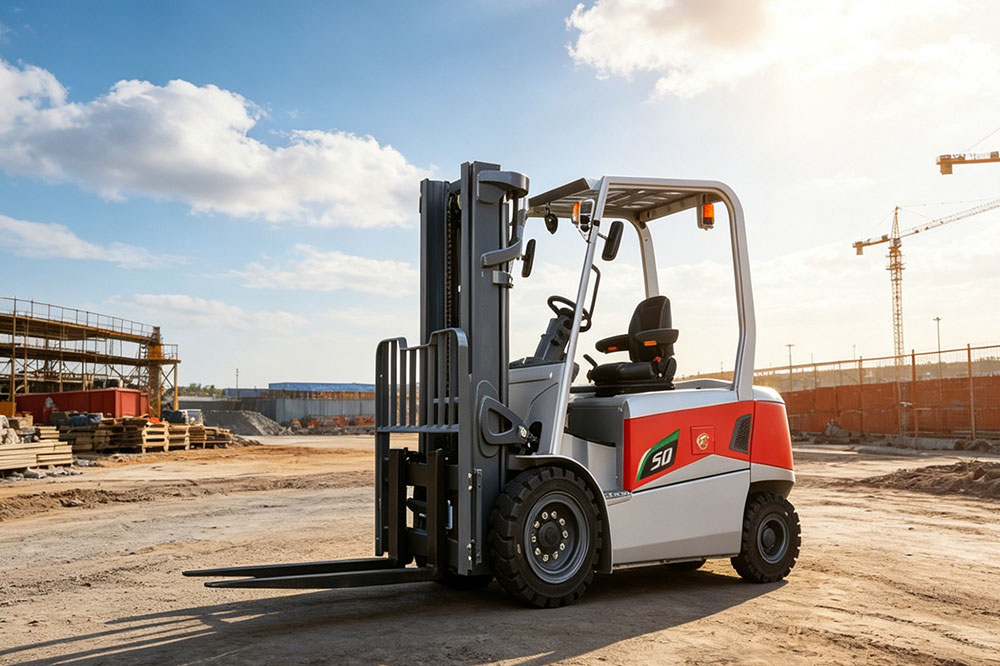
In standard 1.5-ton to 5.0-ton electric and internal combustion counterbalance forklifts, the hydraulic motor or motor-pump unit acts as the primary hydraulic heart. It drives multi-stage telescopic lift cylinders and forward/backward tilt cylinders. Aluminum gear units provide smooth proportional flow, allowing the forklift operator to execute millimeter-accurate pallet placement at elevations exceeding 6 meters without mast shudder or hydraulic surging.
Warehouse reach trucks operate in tight aisle matrices where mast heights exceed 12 meters. In this segment, minimal noise emission and zero oil leakage are mission-critical. Aluminum gear motors paired with precision proportional control valves ensure predictable velocity modulation during pantograph reach-out, sideshift adjustments, and cabin elevation, preventing hazardous load swings.
The dawn of Industry 4.0 has made autonomous material transport ubiquitous. AGVs and AMRs rely on ultra-compact DC 24V/48V hydraulic power packs for lifter mechanisms and hydraulic steer-drive units. Aluminum gear motors deliver an extraordinarily compact envelope size that integrates into the ultra-low chassis of pallet-moving AMRs, maximizing onboard space for lithium battery modules and LiDAR navigation controllers.
Beyond baseline mast operation, heavy material handling requires auxiliary hydraulic motors to drive paper-roll clamps, box rotators, push-pull slip-sheet units, and multi-pallet handlers. The rapid start-stop-reversal capability of bi-directional aluminum hydraulic gear motors provides instant torque response, safeguarding delicate clamped cargo from slippage or excessive compressive deformation.


The Evolution of High-Pressure Micro-Hydraulics in Connected Material Handling Ecosystems
Modern 80V and 120V permanent magnet synchronous motors (PMSM) drive hydraulic gear units directly. Aluminum gear motors are engineered with balanced shaft couplings and optimized seal geometries to handle instantaneous peak RPM accelerations without cavitation.
As food logistics, pharmaceutical warehousing, and ESG regulations tighten, hydraulic systems are shifting to synthetic esters (HEES) and polyglycols (HEPG). Advanced fluoroelastomer (FKM/Viton) seals ensure full chemical resistance with zero elastomeric degradation.
Next-generation aluminum gear motor bodies incorporate threaded ports for micro-embedded temperature and pressure transducers, streaming real-time telemetry into forklift fleet management systems to trigger proactive preventive maintenance.
By blending advanced metallurgical extrusion techniques, helical micro-geometry tooth forming, and intelligent dynamic pressure balancing, aluminum hydraulic gear motors empower material handling machinery to achieve the ultimate benchmark: zero maintenance downtime, minimal thermal footprints, and whisper-quiet operation across millions of lift-and-lower duty cycles.
Engineering the world’s finest gear pumps and hydraulic motors
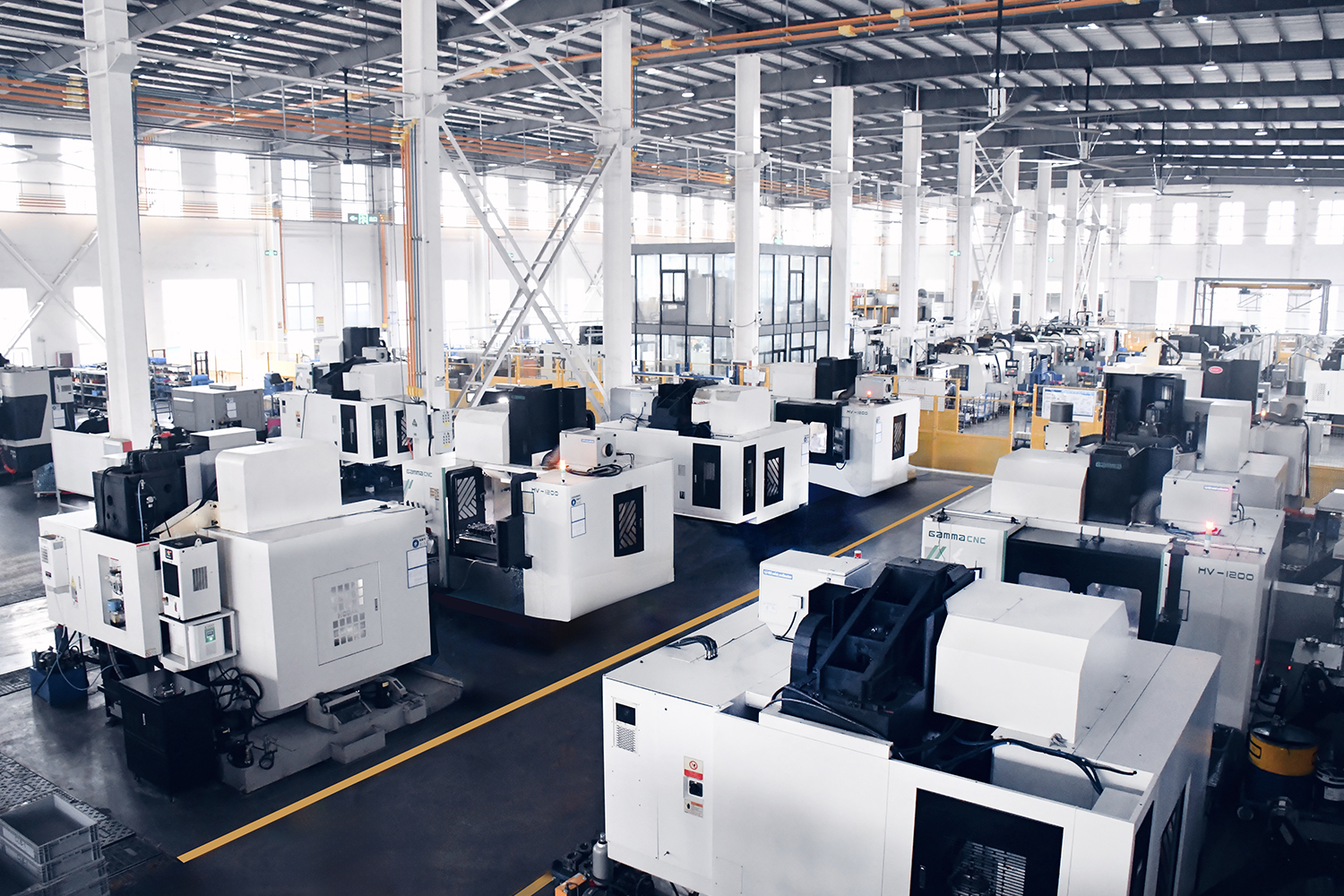
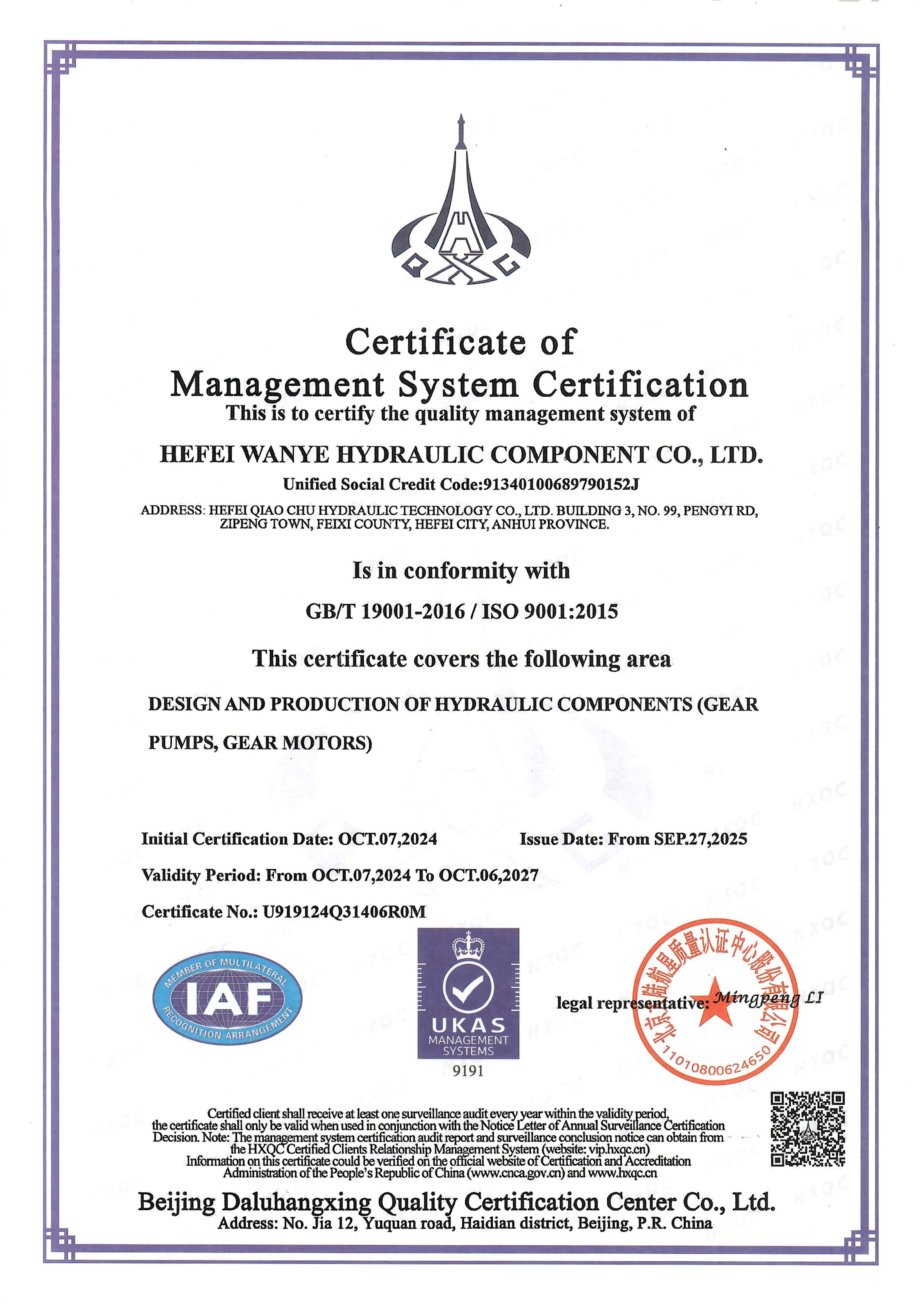
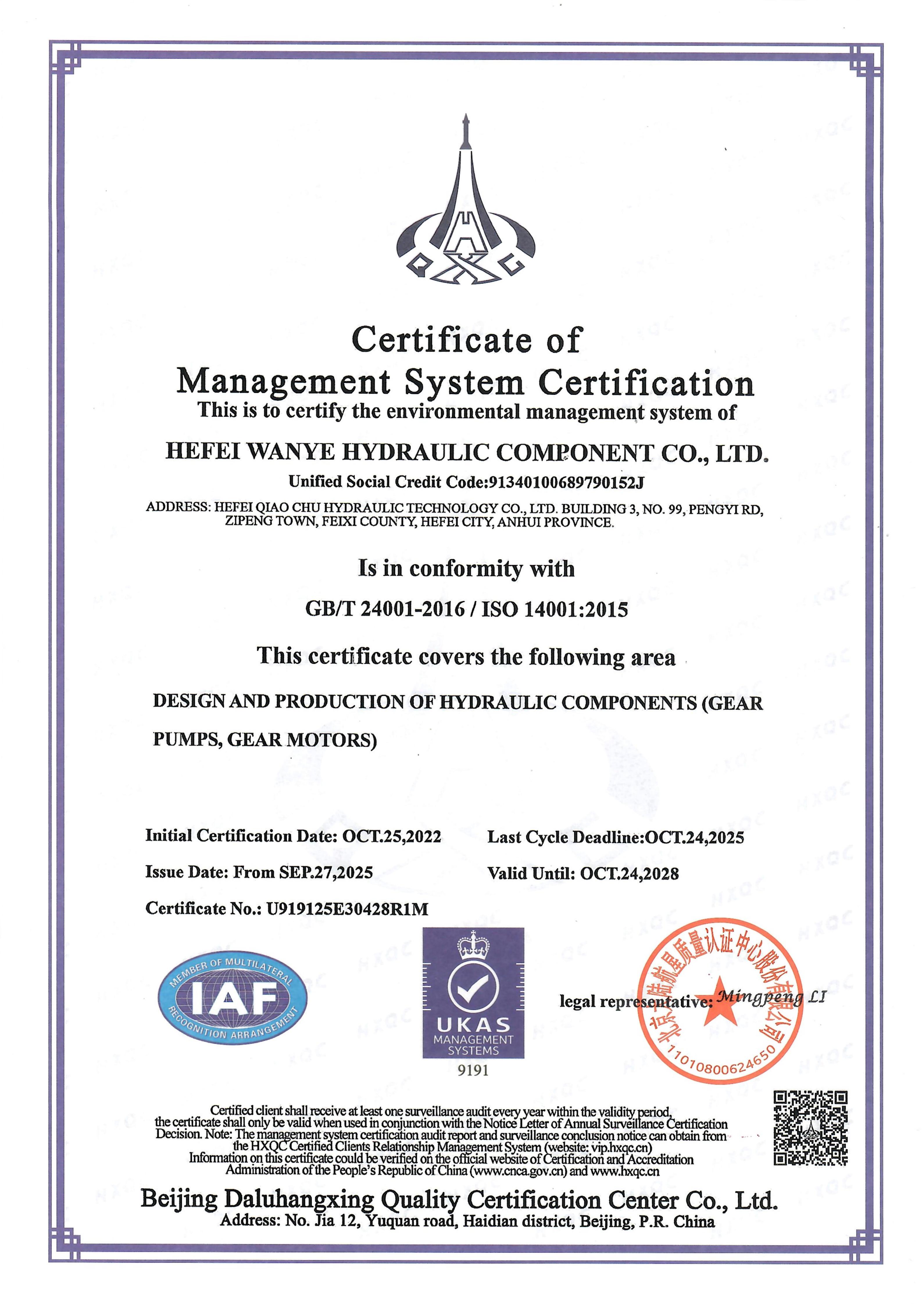
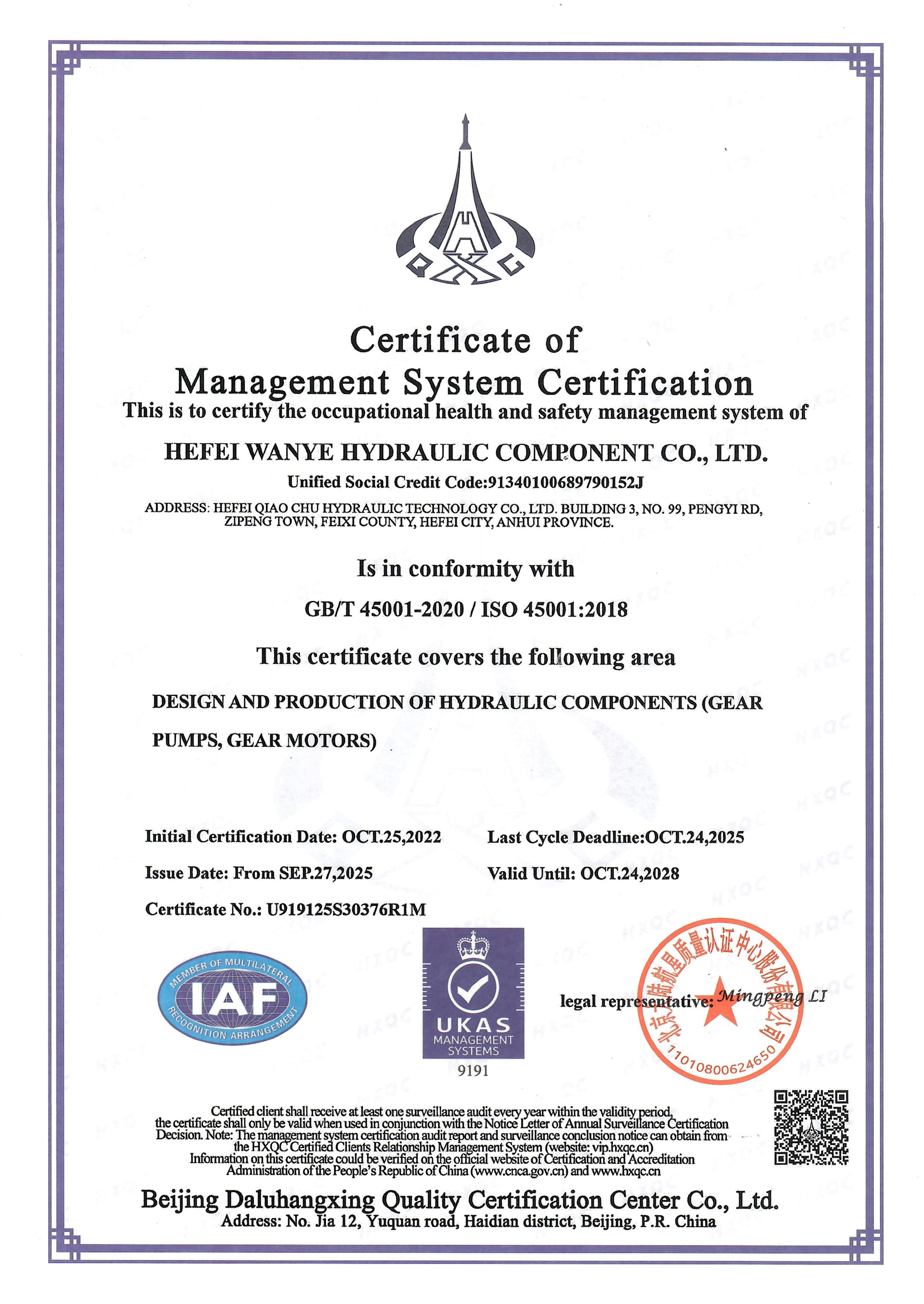
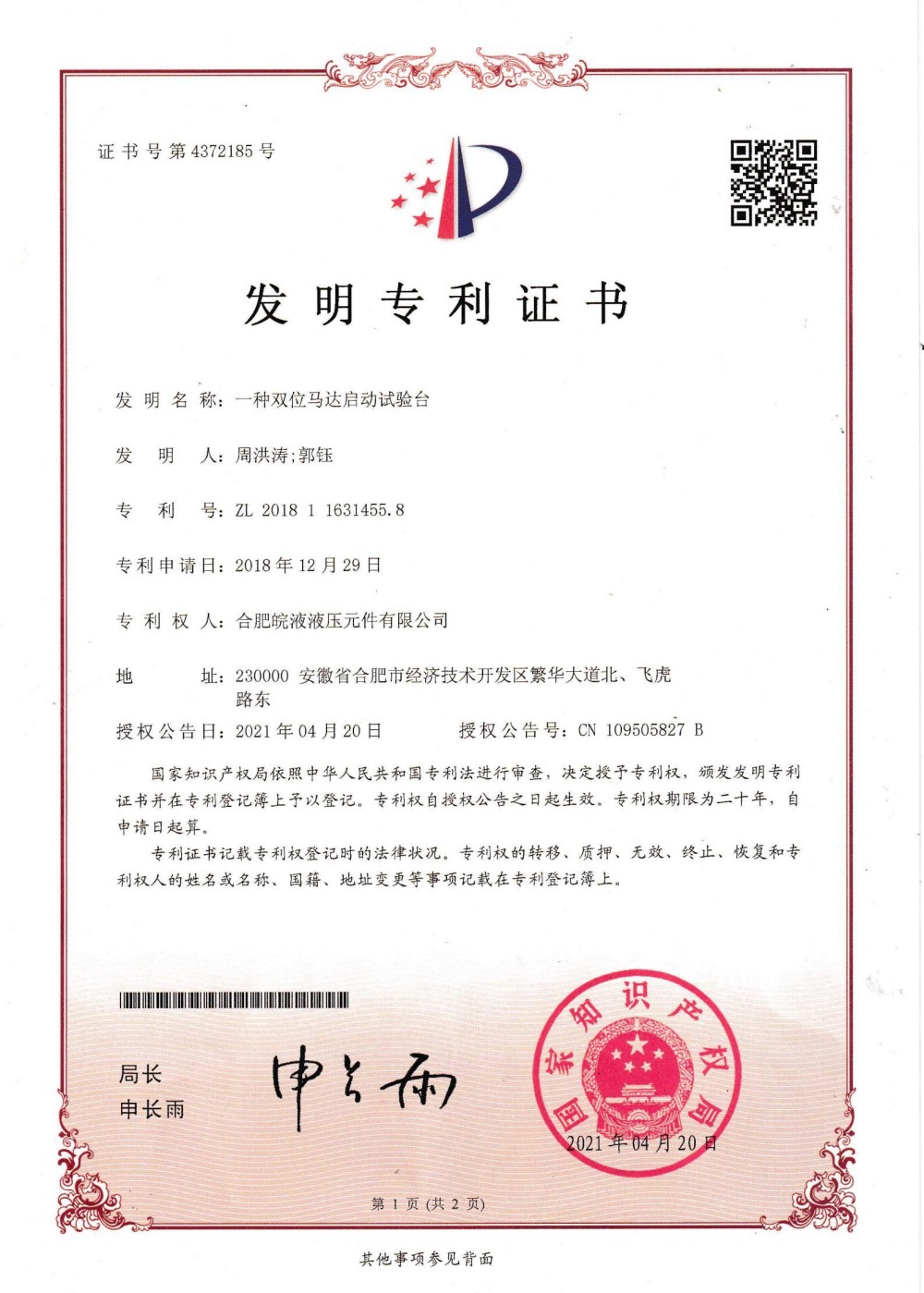
Founded in 2009, Wanye Hydraulics is a private enterprise specializing in R&D, manufacturing, and distribution of hydraulic components. Our core products include gear pumps, gear motors, and power units. As a national key component supplier and Anhui Provincial High-Tech Enterprise, we maintain our own R&D center with multiple patents. All products are ISO 9001 certified, and we serve as a core supplier to leading Chinese construction machinery manufacturers including XCMG and SANY.
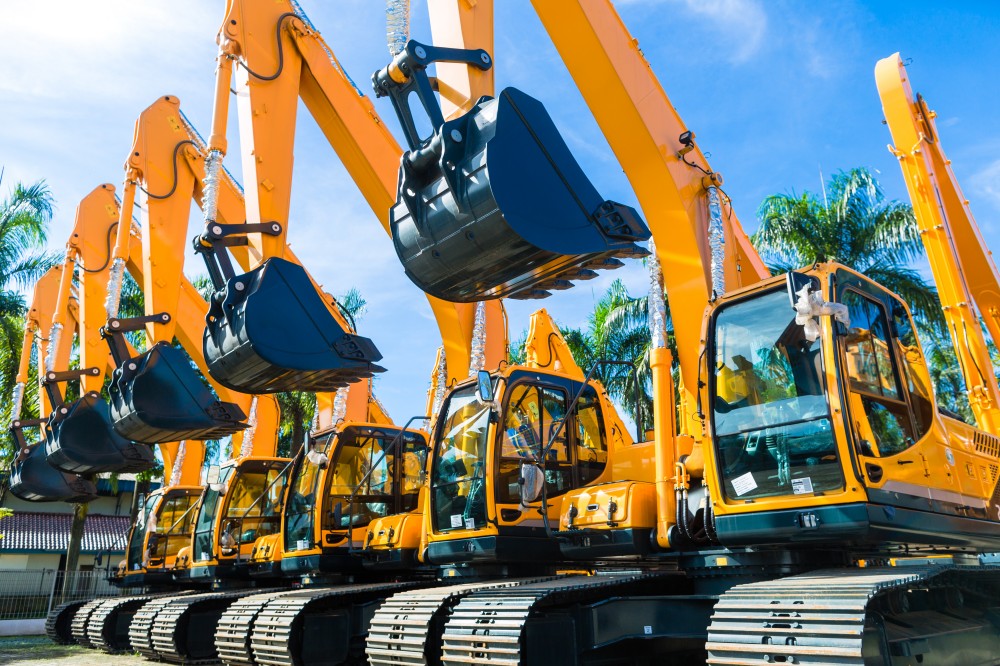
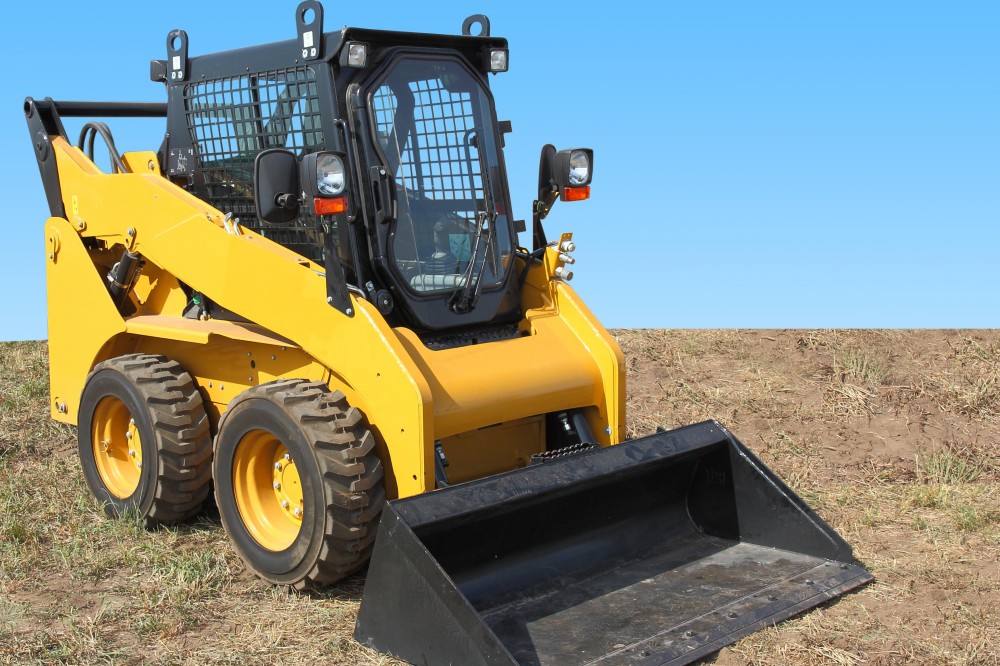
Wanye products are widely used in the field of concrete machinery, construction machinery, and industrial logistics vehicles, primarily in hydraulic systems, providing core components such as hydraulic pumps, hydraulic cylinders, hydraulic motors, and hydraulic valves.
Verified adherence to rigorous international manufacturing standards and proprietary patents


Complete series of high-precision hydraulic pumps and motors for material handling, forklifts, and mobile construction machinery
Essential Guidelines for OEM Design Engineers Integrating Aluminum Gear Motors into Material Handling Platforms
When engineering an electric reach truck or counterbalanced forklift mast assembly, sizing the aluminum gear motor requires balancing theoretical displacement ($V_g$, expressed in $\text{cm}^3/\text{rev}$) with rated battery inverter RPM. If the motor is oversized, low-speed crawling operations exhibit throttling energy losses; if undersized, lifting speeds fail to satisfy duty cycle cycle-time requirements.
Our application engineering team collaborates directly with machine manufacturers to formulate dynamic speed-torque-pressure curves. By evaluating internal leakage coefficients ($\Delta Q$) across continuous operating temperatures (-20°C to +80°C), we guarantee maximum torque output during initial mast lift breakaway from floor level.
To assure direct drop-in integration with international drive motors, our aluminum gear motors and pumps support universal mounting standards:
Maximizing the operating life of an aluminum hydraulic gear motor within rigorous warehouse logistics revolves around fluid contamination management. Aluminum housings, while ductile and crack-resistant, are more susceptible to abrasive particulate scoring than cast iron if fluid cleanliness is ignored.
We recommend maintaining oil cleanliness at or exceeding ISO 4406 Code 18/16/13 utilizing 10-micron absolute return-line filtration. Regular verification of suction line depression is critical: vacuum levels at the pump/motor inlet port must not exceed -0.2 bar (-3 PSI) to avoid micro-cavitation, which rapidly erodes aluminum bearing journals.
When properly maintained, Wanye aluminum hydraulic gear motors regularly surpass 15,000 operational duty hours in Class I and Class II electric forklifts, proving to be one of the most reliable, cost-effective, and energy-conserving fluid power investments in modern industrial logistics.