In today’s competitive industrial world, really understanding what a gear pump does can make a big difference. These pumps are pretty much cornerstones in a bunch of applications—whether it’s moving fluids in manufacturing, chemical plants, or farming setups. If you look at the 2022 report from Grand View Research, the global gear pump market's expected to hit around $2.4 billion by 2027—that’s because everyone’s looking for more efficient ways to handle fluids without issues.
A gear pump works by spinning gears, which helps control the flow of fluids with pretty good accuracy. That kind of dependability is super important for companies that don’t want to mess up their production schedules. But here’s the thing—not all gear pumps are the same. Using high-quality Hydraulic Gear Pump Parts really makes a difference in keeping things running smoothly. Big names like Parker Hannifin and Bosch Rexroth are well aware of this—they're constantly putting out new, improved designs to make sure their gear pumps last longer and work more efficiently.
That said, some businesses kinda overlook routine maintenance, thinking it’s not that important. But ignoring small issues can turn into major, costly downtime later on. Plus, gear pumps aren’t one-size-fits-all—they come in different specs, so picking the right kind is pretty crucial. Going for the wrong one can seriously mess up your operations. So, staying in the know and being careful about selection is key if you really want to benefit from gear pumps without headaches.
Understanding Gear Pumps and Their Functionality
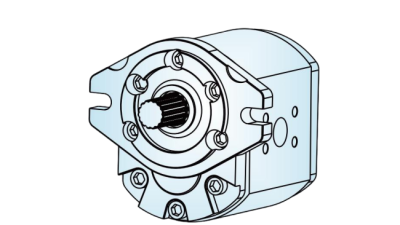
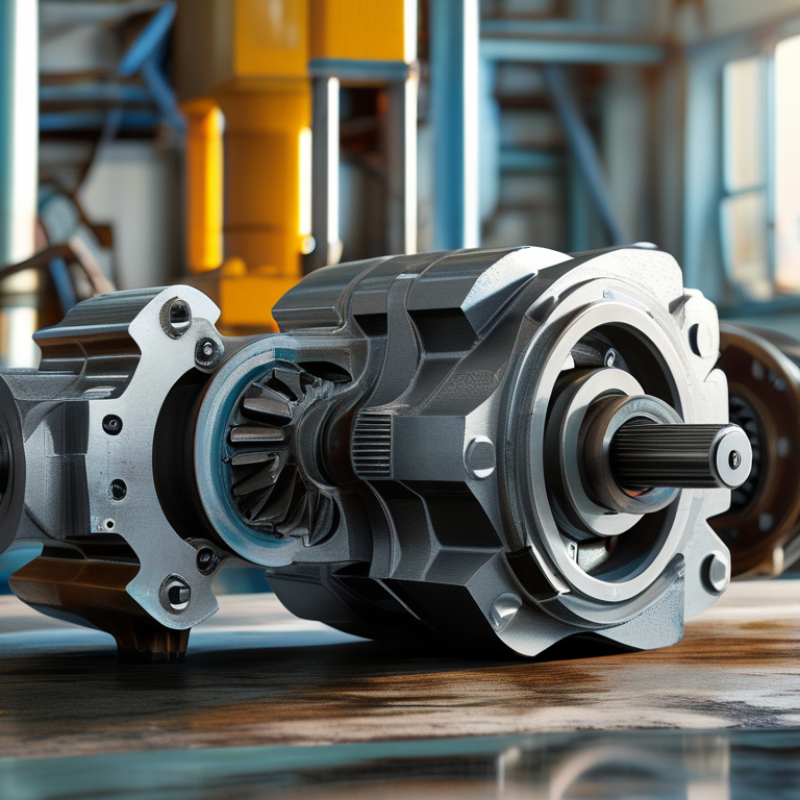
Gear pumps are essential components in various industries. They function by using rotating gears to move fluids through the system. This positive displacement mechanism ensures a steady flow, making gear pumps reliable for handling viscous liquids. Their simple design allows for easy maintenance and durability, contributing to their long lifespan in industrial applications.
When choosing a gear pump, consider the viscosity of the fluid. Thicker liquids require stronger pumps. Understanding the material compatibility is also crucial. Not all pumps can handle corrosive fluids effectively. Evaluate the working environment, as temperature fluctuations can affect pump performance.
Regular maintenance is a key factor for optimal functionality. Inspect the gears for wear and check seals for leaks. A little attention can prevent significant issues. Investing in proper training for staff on gear pump operation can also enhance efficiency. Ensure everyone understands the pump's limitations to avoid overloading or unnecessary strain. Proper knowledge can lead to better decision-making when utilizing this technology.
Enhanced Precision in Fluid Transfer with Gear Pumps
Precision is crucial in fluid transfer. Gear pumps are renowned for providing enhanced accuracy in various applications. According to a report by the Fluid Power Society, industry users have noted that gear pumps can reduce fluid transfer errors by up to 15%. This reliability leads to optimized processes and minimized waste.
The design of gear pumps allows for consistent flow rates, essential for operations in chemical processing and food manufacturing. A study published in the Journal of Fluid Mechanics highlighted that the use of Aluminum Body Gear Pumps can achieve better volumetric efficiency compared to other pumping technologies. This translates into measurable cost savings and improved product quality.
However, it's important to acknowledge some challenges. Gear pumps can be sensitive to fluid viscosity, impacting performance. Organizations need to assess their specific needs before implementation. The upfront investment may also be substantial, prompting businesses to consider long-term benefits versus initial costs. Nonetheless, the precision they offer can outweigh shortcomings when applied correctly.
Top 10 Benefits of Using a Gear Pump for Your Business
| Benefit |
Description |
Application Area |
| Enhanced Precision |
Gear pumps provide accurate flow rates, crucial for maintaining consistency in fluid transfer. |
Manufacturing, Chemical Processing |
| High Efficiency |
These pumps operate with minimal energy loss, ensuring cost-effective operations. |
Food Production, Hydraulic Systems |
| Durability |
Gear pumps are built to withstand harsh environments and offer long service life. |
Oil & Gas, Wastewater Management |
| Versatility |
Can handle a wide range of viscosity levels, making them suitable for various fluids. |
Pharmaceuticals, Paints & Coatings |
| Low Maintenance |
Gear pumps require less frequent maintenance compared to other pump types. |
Automotive, Water Treatment |
| Consistency |
Deliver consistent flow rates, essential for production quality control. |
Mining, Construction |
| Compact Design |
Space-saving design ideal for installations with limited space. |
Industrial, Commercial Settings |
| Chemical Compatibility |
Material options available for handling aggressive and corrosive fluids. |
Chemical Industry, Power Generation |
| Safety |
Designed with safety features to prevent leaks and ensure safe operation. |
Food & Beverage, Pharmaceutical |
| Cost-Effectiveness |
Lower operational costs due to efficiency and durability. |
General Manufacturing, Transportation |
Improved Efficiency Leading to Cost Savings
Using a gear pump can significantly improve efficiency in various industrial applications. With better flow control, these pumps minimize leaks and pressure drops. This results in optimal energy use, ultimately leading to lower operational costs. When businesses invest in a gear pump, they often see rapid returns.
Incorporating a Triple Hydraulic Gear Pump can enhance the precision of fluid transfer. This accuracy ensures that less material is wasted, which contributes to cost savings. Over time, this reliable performance helps in reducing overhead costs. Focused maintenance is necessary, though, to ensure long-term efficiency.
Regularly inspect your gear pump for wear and tear. Keeping components in good condition prevents unexpected downtime. Also, monitor the operational speed; operating below the optimal point can lead to inefficiencies. Even small adjustments can make a difference. Continuous evaluation of your systems can provide insights for further enhancements.
Durability and Reliability in Various Applications
Gear pumps stand out for their durability and reliability across various industries. When properly engineered, an External Gear Pump can handle high pressures while maintaining consistent performance. This characteristic is crucial in demanding environments, such as manufacturing or chemical processing. The robust design of gear pumps allows them to withstand wear and tear, which means less frequent replacements. However, regular maintenance is essential to ensure optimal function.
In applications that vary from hydraulic systems to food and beverage production, gear pumps demonstrate remarkable versatility. They provide steady fluid flow, minimizing issues like cavitation and pulsation. This steady performance can lead to increased efficiency. Yet, businesses must be vigilant about compatibility with the fluids being pumped. Using an unsuitable fluid can cause unexpected issues, affecting reliability. Understanding these dynamics helps businesses reflect on their processes for continuous improvement.
Selecting the right pump for specific applications is critical. An external gear pump is reliable but may not suit every situation. Some businesses find they need to reassess their choices over time. Conducting thorough research and seeking expert advice can lead to better decision-making. This approach not only fosters trust in the chosen equipment but also promotes long-term success in operations.
Top 10 Benefits of Using a Gear Pump for Your Business
This chart illustrates the top 10 benefits of using a gear pump for your business, rated on a scale of 1 to 10. Each benefit highlights why gear pumps are a reliable choice across various applications, emphasizing their durability and efficiency.
Versatility: Adapting to Different Fluids and Conditions
Gear pumps are increasingly recognized for their versatility across various industries. They can handle a wide range of fluids, from water to viscous oils. This adaptability makes them suitable for many applications, such as hydraulic systems and chemical processing. Reports indicate that gear pumps can efficiently transfer fluids with viscosities up to 1,000 centipoise and even higher in specific applications.
The ability to operate under different conditions is another compelling advantage. Gear pumps can function effectively in high-pressure environments, often exceeding 200 bar. They also maintain a steady flow rate, which is crucial for processes requiring precision. According to industry studies, businesses utilizing gear pumps report a 15% increase in operational efficiency due to their reliable performance and lower downtime.
Maintaining this versatility isn't without challenges. Operators must ensure compatibility between the pump material and the fluid. This can sometimes lead to unexpected maintenance issues, particularly when dealing with corrosive substances. Despite these challenges, the proven track record of gear pumps highlights their essential role in modern industrial applications. Their capacity to adapt to various demands makes them a valuable asset for businesses striving for efficiency and reliability in fluid management.
Ease of Maintenance and Reduced Downtime
Gear pumps are renowned for their efficiency and reliability in various industries. One significant advantage is their ease of maintenance. With fewer moving parts compared to other pump types, the Circular Arc Gear Pump requires less intricate servicing, leading to quicker repair times. Studies show that maintenance-related downtime can reduce operational efficiency by up to 30%. Streamlined maintenance routines can also lead to lower labor costs.
Additionally, businesses that utilize gear pumps report a decrease in downtime. According to a recent industry report, systems with effective pump designs experience up to 25% less unplanned downtime. This is largely attributed to the simplicity of the Circular Arc Gear Pump. It can often be serviced without extensive disassembly. Less downtime translates directly to improved productivity, enhancing the bottom line.
However, some operators may overlook routine maintenance. Neglecting this can lead to inefficiencies over time. It's critical for businesses to establish a proactive maintenance schedule. Ignoring these steps may result in higher costs in the long run. Balancing effective use of the Circular Arc Gear Pump with regular upkeep can maximize both lifespan and performance.
Maximizing Business Productivity with Gear Pump Solutions
Gear pumps have become essential in various industries, driving efficiency and productivity. By maximizing the flow of viscous fluids, they play a critical role in operations that require consistent delivery. According to the Hydraulic Institute, gear pumps can achieve fluid delivery rates of up to 95% efficiency, significantly reducing energy costs for businesses.
Integrating gear pump solutions can also streamline processes. In fabrication and chemical processing, they often contribute to a reduction in operational downtime. Industry reports indicate that businesses leveraging advanced gear pump technologies can increase their output by 30%. This improvement is crucial, especially in competitive markets where operational speed directly correlates to profitability. However, it is essential to proactively maintain these systems, as neglect can lead to wear and unexpected failures, which can offset productivity gains.
The versatility of gear pumps allows them to accommodate a range of fluids and temperatures, making them suitable for various applications. Yet, not every operation will benefit equally from their use. Understanding the specific needs of your process is vital. While gear pumps can enhance efficiency, businesses must remain vigilant about compatibility and selection criteria to avoid costly missteps.
Overview of the YCB6 Series Circular Arc Helical Gear Pump: Applications, Benefits, and Technical Specifications
The YCB6 Series Circular Arc Helical Gear Pump is an innovative solution that excels in various applications requiring reliable fluid handling. With a displacement range of 50 to 90 mL/r, this pump is designed to accommodate different flow rate needs, making it versatile for numerous industrial environments. It operates efficiently at a minimum speed of 350 r/min and can handle up to 3200 r/min, allowing for flexibility in system design and operational requirements.
One of the standout features of the YCB6 pump is its robust working pressure capacity. It is capable of continuous operation at 26 MPa, peaking at 28 MPa, making it ideal for high-pressure applications. This pump is particularly suitable for transporting high-viscosity fluids such as lubricating oils, mineral oils, and emulsions. The pump's design supports operating viscosities ranging from 12 to 800 cSt, with optimal performance at viscosities between 20 and 150 cSt. Furthermore, the pump can function in a temperature range of -20 to 80℃, and is capable of withstanding ambient temperatures from -15 to 60℃, ensuring reliable operation in various environmental conditions.
FAQS
: Gear pumps are efficient and reliable. They are easy to maintain and have fewer moving parts.
Proper maintenance can reduce downtime by up to 30%. Neglecting it may lead to increased costs over time.
Effective designs can result in up to 25% less unplanned downtime. This improves overall productivity for businesses.
Frequent maintenance maximizes both lifespan and performance. Ignoring this can lead to inefficiencies and higher costs.
Gear pumps can achieve up to 95% fluid delivery efficiency. This helps in reducing energy costs significantly.
Yes, gear pumps are versatile and can accommodate various fluids and temperatures. However, compatibility must be considered.
Neglecting routine maintenance may lead to unexpected failures. This could offset productivity gains and increase operational issues.
Integrating these solutions can boost output by about 30%. This is key in competitive markets where speed matters.
Yes, not every operation benefits equally from gear pumps. Understanding specific process needs is essential for success.
Some operators overlook the importance of a proactive maintenance schedule. This negligence can lead to costly repairs later.
Conclusion
Gear pumps are essential tools that enhance fluid transfer processes in various industries. What does a gear pump do? It efficiently moves fluids with precision, minimizing waste and maximizing productivity. By improving efficiency, gear pumps contribute to significant cost savings for businesses, making them a valuable investment. Their durable and reliable design allows them to perform well across different applications, adapting easily to various fluids and conditions.
Moreover, gear pumps are designed for ease of maintenance, reducing downtime and ensuring continuous operations. This versatility, combined with their effectiveness in fluid transfer, allows businesses to optimize their workflows and achieve higher productivity levels. Overall, utilizing gear pump solutions can greatly enhance operational efficiency and drive better business outcomes.



 coco
 mr-li