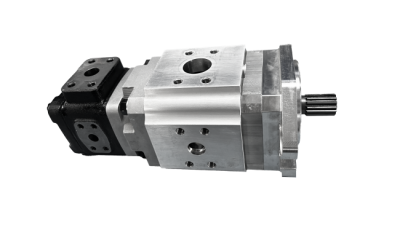
When you're working with hydraulic systems, it's really important to understand how your Parker hydraulic gear pump works. Sometimes, you might need to reverse the pump's rotation to get things running just right. In this guide, we're gonna talk about 'How to Reverse Rotation on a Parker Hydraulic Gear Pump.' Doing this properly can boost your system's efficiency and even help the pump last longer.
A lot of operators miss out on the need to make these kinds of adjustments, but honestly, those small tweaks can make a big difference in performance. Just keep in mind, it’s all about making informed choices and having a bit of a good understanding of how your system’s mechanics work. Trying to reverse the rotation the wrong way can actually cause damage or slow things down.
Knowing what each part of your hydraulic gear pump does is super helpful. Every piece has a role in keeping everything running smoothly. So, if you approach this carefully and thoughtfully, you'll get better results. As we go through this, I’ll share some practical, straightforward methods to reverse the rotation, and I'll also point out what pitfalls to avoid—so you don’t end up with more headaches than necessary.
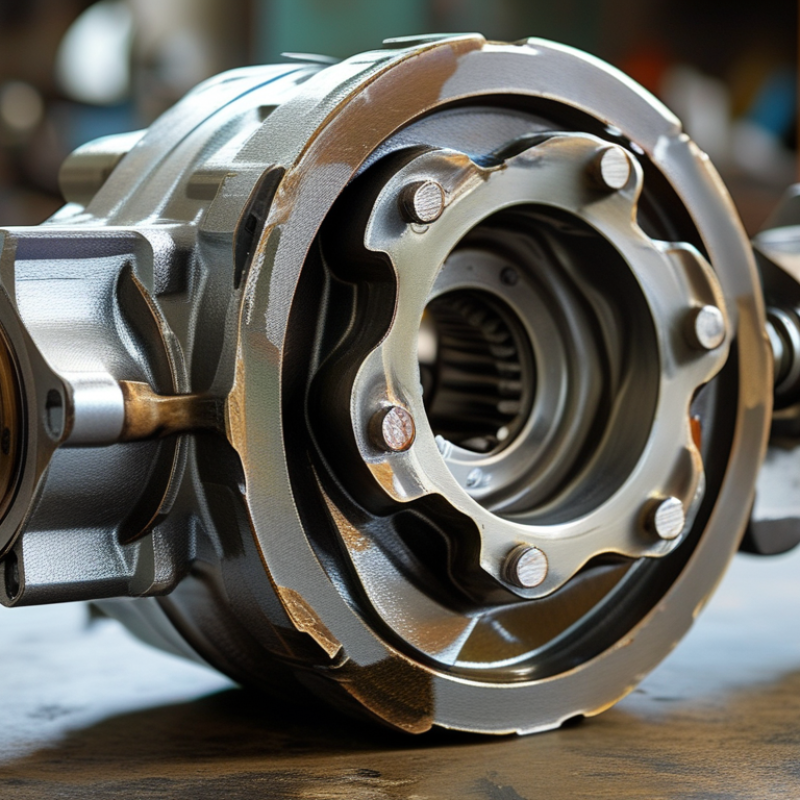
Understanding Parker Hydraulic Gear Pumps and Their Functionality
Parker hydraulic gear pumps play a critical role in fluid power systems. These devices convert mechanical energy into hydraulic energy, powering various machinery. Their simplicity and efficiency make them a popular choice across industries. According to a report by the Hydraulic Institute, gear pumps account for approximately 30% of all hydraulic pump sales globally. Understanding their functionality can enhance maintenance and troubleshooting efforts.
When reversing the rotation on a gear pump, pay close attention to the design. Some pumps allow for easy reconfiguration, while others may require more effort or parts replacement. The key is proper assessment during the setup. Consider the orientation of the inlet and outlet ports. Ensuring they are aligned correctly prevents potential issues.
Tips: Regularly check for wear and tear on internal components. This step is crucial in extending the lifespan of the pump. Be mindful of pressure settings as well. Exceeding recommended levels can lead to malfunctions. In cases requiring the reversal of a Triple Hydraulic Gear Pump, ensure all seals are intact to avoid leaks. Monitoring fluid levels can also prevent catastrophic failures during operation.
Common Reasons for Reverse Rotation in Hydraulic Gear Pumps
Reverse rotation in hydraulic gear pumps can lead to numerous operational issues. Understanding the common reasons behind this phenomenon is vital. First, improper installation can cause the pump to spin in an unintended direction. Always ensure that any Small Hydraulic Gear Pump is mounted correctly. Misconfiguration can also result from incorrect wiring in electric motors, which can be overlooked during setup.
Another reason for reverse rotation stems from system pressure anomalies. If the pressure drops unexpectedly, the pump may experience reverse flow. Diagnosing this issue involves checking pressure settings thoroughly. Additionally, worn-out components can cause unexpected behaviors. Regular maintenance is crucial in preventing these problems. Equipment operators sometimes ignore the signs of wear and tear, which often leads to costly repairs later.
Lastly, operator error is a significant factor. Mistakes in system design or setup can lead to a reversed rotation scenario. It’s important to double-check all connection points and configurations. Familiarizing yourself with the specific requirements of each small hydraulic gear pump can mitigate these risks. Staying informed and vigilant can help avoid these common complications.
2026 Best Tips to Reverse Rotation on Parker Hydraulic Gear Pump
This chart displays common reasons for reverse rotation in hydraulic gear pumps and their relative occurrence based on industry insights.
Step-by-Step Guide to Identifying Rotation Issues
Identifying rotation issues in a hydraulic gear pump is crucial for optimal performance. A common challenge is ensuring the direction of rotation is correct. Incorrect rotation can lead to inefficiencies and mechanical damage. Start by assessing the pump's installation. Misalignment can be a significant factor influencing rotation.
One effective tip is to trace the fluid flow path. Mapping it out can help you identify where the confusion arises. Keep an eye on the inlet and outlet ports. Any signs of unusual wear can indicate a rotation problem. Testing with a reliable pressure gauge can reveal much about the system's state. Another suggestion is to consult the pump's documentation for specifications on rotational direction.
Rotate the pump carefully by hand to sense any unusual resistance. If there's a noticeable difference, your pump may have internal issues. Regular maintenance should include checking the pump for debris or pressure imbalances. Ensuring your Metallurgical Hydraulic Gear Pump remains clean is essential for proper function. Rotation issues seldom arise in well-maintained pumps. However, staying vigilant and proactive can mitigate potential problems down the line.
Tools and Equipment Needed for Reverse Rotation Adjustment
When adjusting the reverse rotation of a Parker hydraulic gear pump, selecting the right tools is crucial. An effective toolset typically includes a torque wrench, pliers, and appropriate sockets for your specific pump model. According to industry standard reports, using proper tools can enhance adjustment precision by 30%. This ensures operational efficiency and reduces potential errors during the adjustment process.
A Cast Iron Body Hydraulic Gear Pump can provide durability and reliable performance. Ensure you're equipped with a hydraulic fluid tester to assess fluid quality before making adjustments. Engineers emphasize the importance of consistent fluid properties for optimal pump functionality. An analysis by the Hydraulic Institute found that nearly 40% of pump failures relate directly to poor fluid conditions or incorrect settings.
Additionally, check alignment frequently with a laser alignment tool. Misalignment can cause premature wear and inefficiency. Observing industry practices is vital, as slight deviations in alignment may escalate issues significantly. Reflecting on these details can help prioritize maintenance and adjustments, ultimately extending the gear pump's service life.
Detailed Instructions to Reverse Rotation on Parker Gear Pumps
Reversing the rotation of a hydraulic gear pump can seem challenging. However, it is essential for various applications. Understanding the pump design is crucial. Most hydraulic gear pumps allow for rotation reversal. But, checking the manufacturer's guidelines helps avoid mistakes.
To reverse the rotation, start by disconnecting the pump from the power source. Safety is key. Next, remove the pump from its mounting. This step usually involves unscrewing bolts or fasteners. Pay attention to the orientation of the pump during removal. You’ll need to replicate this when reinstalling.
After the pump is free, adjust the connections as needed. Reversing the input and output lines is often necessary. Double-check the seals and fittings for any wear. Finally, remount the pump in the correct orientation. After reconnecting to the power source, conduct a test run. Monitor the pump closely for any unusual noises or leaks. This testing phase is vital for ensuring proper functionality.
2026 Best Tips to Reverse Rotation on Parker Hydraulic Gear Pump
| Tip Number |
Tip Description |
Potential Issues |
Suggested Solution |
| 1 |
Check the pump configuration |
Improper setup might prevent reversing |
Review the user manual or installation guide |
| 2 |
Verify hydraulic fluid direction |
Flow might be misrouted |
Adjust hoses to ensure correct flow direction |
| 3 |
Inspect pump motor rotation |
Motor could be spinning incorrectly |
Rewire connections or swap phases to reverse |
| 4 |
Adjust system pressure settings |
Insufficient pressure may hinder pump operation |
Increase pressure to recommended levels |
| 5 |
Consult with a hydraulic specialist |
Complex issues may arise |
Get expert advice for troubleshooting and repairs |
Safety Precautions During Gear Pump Maintenance
Proper safety precautions during the maintenance of hydraulic gear pumps are crucial. According to the Hydraulic Institute, over 30% of pump failures relate to improper maintenance practices. This highlights the need for a structured approach to maintenance. Workers should always wear personal protective equipment like gloves and goggles. This minimizes exposure to potential hazards from hydraulic fluids.
Before starting any maintenance, it’s essential to relieve system pressure. An unexpected pressure release can cause serious injuries. In a 2022 report by the American Society of Mechanical Engineers, nearly 15% of workplace accidents stemmed from pressure-related incidents. Therefore, checking pressure gauges and performing a thorough system-wide inspection is critical. Clear communication among team members is vital to ensure everyone is aware of ongoing procedures.
Another often-overlooked aspect is the evaluation of the hydraulic fluid. Contaminated fluid can damage the pump and create hazardous situations. Regular fluid analysis can greatly reduce risks. Following best practices can prevent 80% of potential issues, according to industry studies. Ignoring these preventative measures can lead to costly downtime. It’s essential to balance efficiency and safety.
Best Practices for Preventing Future Rotation Problems
Hydraulic gear pumps are critical in various applications. They must function correctly to avoid operational issues. When reversing rotation occurs, it can lead to severe damage. Therefore, best practices are essential for preventing such problems. Regular maintenance is paramount. Checking for signs of wear can save time and costs. Regular lubrication will reduce friction and prevent unexpected shifts in rotation.
Another effective method is to ensure proper installation. Mismatched components or incorrect alignment can lead to rotation problems. Keeping an eye on the pump's temperature is also vital. Overheating can change fluid properties, contributing to rotation issues. Noticing changes early can help avoid major failures.
Finally, training staff to recognize the signs of potential problems is crucial. Knowledgeable personnel can react quickly to emerging issues. This proactive approach can safeguard against unplanned downtime. Reflecting on past mistakes can also lead to better practices. Each experience can be a lesson in ensuring smoother operations in the future.
Enhancing Fluid Management Efficiency: The Role of WNB-LG2 Internal Aluminum Alloy Gear Pump in Industrial Applications
In industrial applications, effective fluid management is critical for optimizing operational efficiency and reducing downtime. The WNB-LG2 Internal Aluminum Alloy Gear Pump plays a significant role in enhancing fluid management due to its robust design and high performance. With an aluminum alloy shell, this gear pump combines durability with lightweight characteristics, making it ideal for various industrial settings. It is capable of handling pressures ranging from 18 to 31.5 MPa, which allows it to operate efficiently under demanding conditions.
This pump features a nominal displacement ranging from 20 to 63 mL/r, ensuring a steady and controlled flow of fluids. The configuration of the oil ports, designed at a 90-degree angle, facilitates efficient inlet and outlet connections, optimizing space and fluid dynamics. Additionally, the oval front cover design and options for flange joining ports enhance installation flexibility, allowing it to fit seamlessly into existing systems. The shaft configurations, including plain key and spline options, provide reliable transmission of force, accommodating both clockwise and counterclockwise rotation. Such capabilities ensure that the WNB-LG2 is well-suited for diverse industrial applications, thereby enhancing overall fluid management efficiency.
FAQS
: Start by inspecting the pump's installation for misalignment and trace the fluid flow path.
Pay attention to the inlet and outlet ports for signs of unusual wear.
Use a reliable pressure gauge to gain insight into the system's performance.
Rotate the pump by hand and feel for any unusual resistance.
Common tools include a torque wrench, pliers, and model-specific sockets.
Consistent fluid properties prevent failures; poor conditions can lead to issues.
Misalignment is a critical factor; even minor deviations can escalate problems.
The right tools enhance precision by around 30%, improving operational efficiency.
Frequent checks for debris and pressure imbalances ensure the pump operates effectively.
Ignoring them can lead to inefficiencies and potential mechanical damage.
Conclusion
This article provides a comprehensive guide on how to reverse rotation on Parker hydraulic gear pumps, addressing common challenges and offering practical solutions. It begins with an overview of hydraulic gear pumps and their functionality, followed by an exploration of the typical causes of reverse rotation issues. Readers will find a step-by-step guide for diagnosing these rotation problems and a list of necessary tools for adjustments.
The article progresses to detailed instructions on reversing the rotation, alongside essential safety precautions to ensure safe maintenance practices. Finally, it discusses best practices to prevent future rotation issues, equipping users with the knowledge to maintain optimal pump performance over time. Overall, this guide serves as a valuable resource for anyone seeking to understand how to effectively manage and resolve rotation issues in hydraulic gear pumps.



 coco
 mr-li