When you're dealing with hydraulic systems, figuring out how to change the direction of a hydraulic gear pump is pretty important stuff. I remember talking to John Smith, an industry pro at Hydraulic Innovations, who once said, “Switching the pump’s direction can really boost efficiency — but you gotta do it carefully.” That right there just shows how essential it is to really understand how hydraulic gear pumps work.
Hydraulic gear pumps are pretty much the backbone of tons of machinery out there. Changing their orientation isn’t just about spinning a few parts around; it can actually change how well everything works and how much power you get. But here’s the thing — it’s not just about physically flipping the pump. You also need to be familiar with Hydraulic Gear Pump Parts. If you don’t get the key components aligned properly, you risk causing a malfunction.
And let’s be honest — it’s easy to gloss over the little details when you're eager to get things done. Sometimes, in the rush to make the switch, people forget to plan properly. Every setup or adjustment throws its own curveballs, so taking a moment to think things through and follow some best practices can really pay off. If you approach it with the right knowledge and patience, changing the pump’s direction doesn’t just improve efficiency — it can seriously ramp up your overall productivity in hydraulic systems.
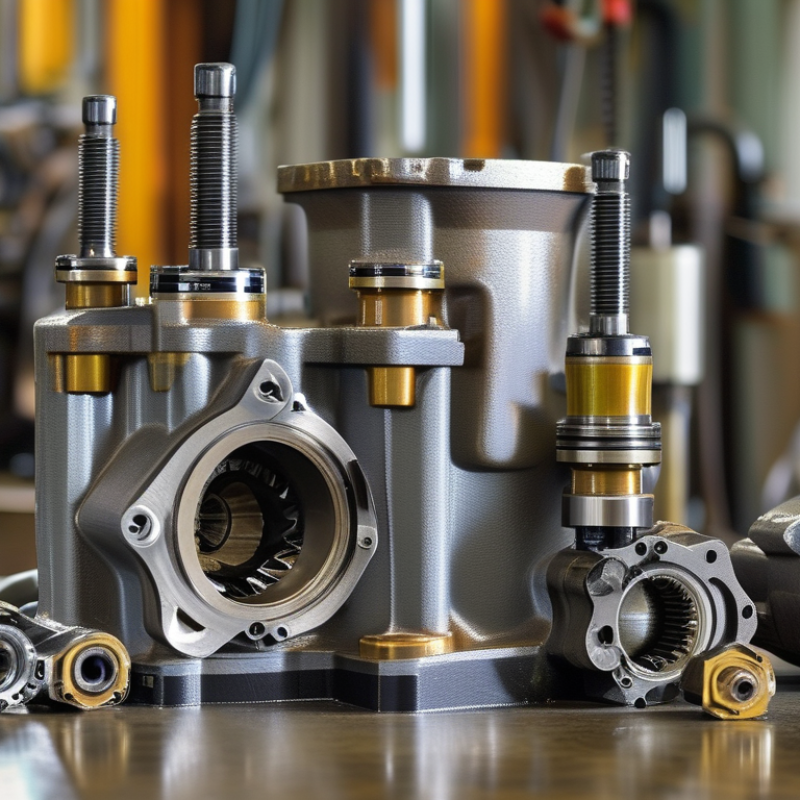
Understanding Hydraulic Gear Pumps and Their Applications
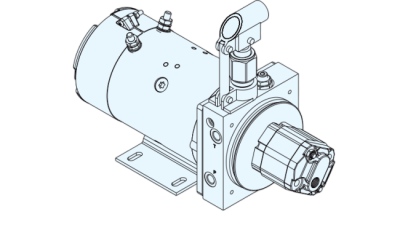
Hydraulic gear pumps are essential components in various industrial applications. They utilize the movement of gears to create pressure and flow, transferring hydraulic fluid effectively. This reliability makes them ideal for equipment like excavators, forklifts, and agricultural machinery. Understanding their design helps engineers select the right pump for specific tasks.
When exploring the hydraulic gear pump's operation, consider a Triple Hydraulic Gear Pump. It features three sets of gears, enhancing its capacity and efficiency. Applications vary widely from material handling to automotive systems. However, the complexity of these pumps can lead to installation errors or miscalculations in pressure settings.
Maintenance is crucial. Regular checks on fluid levels and leaks can prevent major failures. Users may encounter challenges if they neglect these aspects. Proper training can mitigate these issues, but not every operator has this background. Investing time in understanding the intricacies of hydraulic systems ensures better performance and reliability in applications. Awareness of potential shortcomings can lead to improved strategies in pump management.
How to Change Direction of Hydraulic Gear Pump for OEM High Quality Use? - Understanding Hydraulic Gear Pumps and Their Applications
| Parameter |
Description |
Value |
| Pump Type |
Hydraulic Gear Pump |
N/A |
| Max Pressure |
Maximum operating pressure |
200 bar |
| Flow Rate |
Volume of fluid pumped per unit time |
50 L/min |
| Direction Changes |
Method to reverse flow direction |
Changing inlet/outlet ports |
| Materials Used |
Materials for pump construction |
Aluminum, Steel |
| Efficiency |
Ratio of output power to input power |
85% |
| Applications |
Typical uses for gear pumps |
Industrial machinery, Agricultural equipment |
The Importance of Direction Control in Hydraulic Systems
In hydraulic systems, direction control is crucial. It determines how the hydraulic fluid flows through the pump, affecting overall performance. Whether the system is lifting, moving, or rotating, the direction of flow is essential for achieving desired outcomes. Mismanagement of flow direction can lead to inefficiencies or system failure.
Changing the direction of a hydraulic gear pump involves adjusting the flow paths. Take the time to understand how your specific system operates. Ensure that you are familiar with the layout of the hydraulic circuit and the components involved. A clear grasp of system configuration can help prevent mistakes.
Tips: Always check for compatibility of components before making adjustments. A mismatched part can hinder efficiency. Regular maintenance is another key factor; wear and tear can lead to unpredictable behavior. Consider using visual aids when working on complex configurations. This helps clarify flow paths and reduces the risk of errors.
Remember, every hydraulic system can differ. Reflect on your experiences and take notes on past adjustments. Not every change will yield the expected outcome. A proactive approach to direction control will ultimately enhance the functionality of your hydraulic system.
Preparing for Gear Pump Direction Change: Tools and Safety
Changing the direction of a hydraulic gear pump involves several important preparations. Ensure you have the right tools ready before starting. Commonly used tools include wrenches, screwdrivers, and pliers. A torque wrench is essential to prevent over-tightening. Safety gear like gloves and goggles should not be overlooked. These protect against potential hazards, especially when handling hydraulic fluids.
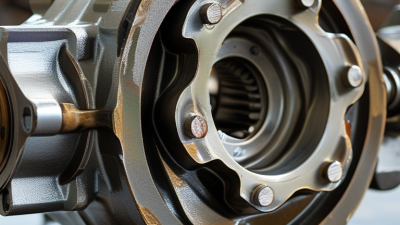
According to industry reports, improper handling of hydraulic systems accounts for approximately 30% of equipment failures. Misjudgments during pump direction changes can lead to inefficiencies. Small Hydraulic Gear Pumps, known for their compact size, are often sensitive to misalignment. A precise alignment is crucial to ensure optimal performance and prevent leaks.
Workspace organization plays a vital role in safety. Keep your area tidy to minimize risks. Always refer to the manufacturer's guidelines for specific instructions on your gear pump. It's essential to regularly review these guidelines. In preparation, verify the fluid level before making adjustments. Neglecting this step can lead to insufficient lubrication and potential pump damage.
Step-by-Step Process to Change Pump Direction
Changing the direction of a hydraulic gear pump is crucial for various applications. This process requires careful attention to detail. Begin by ensuring the pump is disconnected from any power source. This guarantees safety throughout the procedure.
Next, locate the direction control valve. This component is typically found near the inlet port of the pump. Make sure to check the orientation markings on the pump casing. Misalignment can lead to inefficiency or damage. Carefully adjust the valve position to redirect flow as needed.
Tips: Always keep the workspace clean. This reduces contaminants from entering the hydraulic system. Use protective gloves when handling hydraulic components. Proper tools are essential for a secure fit, preventing leaks.
After making the adjustments, test the pump at low pressure first. Monitor for any signs of leaks or unusual noise. Small adjustments may be needed for optimal performance. Document each change for future reference. Reflecting on these steps can help refine your skills in hydraulic system management.
Testing and Verifying the New Direction of Flow
When altering the direction of flow in a hydraulic gear pump, thorough testing is crucial. Precision engineering standards, such as ISO 9001, emphasize the importance of verifying pump performance.
Metallurgical Hydraulic Gear Pumps offer unique advantages, but careful examination of the flow direction is vital to ensure efficiency.
Tests should include measuring pressure differentials and flow rates to confirm proper operational settings.
Verifying the new flow direction demands meticulous procedure. Use flow meters to capture real-time data on output and ensure it conforms to expected specifications. An industry report indicates that improperly adjusted flow can decrease efficiency by up to 20%. This highlights the need for testing. Ensure all connection points are tight to avoid leaks that can compromise performance.
Another factor to consider is the role of material integrity. Pumps must be constructed from quality metals that withstand pressure fluctuations. Conduct non-destructive tests, such as ultrasonic testing, to evaluate welds and joints. Addressing these potential issues early can prevent costly downtime. Verification isn’t just a checklist; it's a critical process that guides the successful implementation of the new flow direction.
Common Issues and Troubleshooting During Direction Change
Changing the direction of a hydraulic gear pump is crucial for efficient operation. However, issues often arise during this process. Common problems include inadequate flow rates and unexpected vibrations. According to industry reports, malfunctioning pumps account for approximately 30% of hydraulic system failures. Recognizing early signs can save both time and resources.
Troubleshooting begins with checking the pump's fluid levels and overall system integrity. Low fluid levels may lead to air being drawn into the system. Additionally, ensure that all connections are tight. Loose fittings can cause leaks, impacting pump performance. Innovative technologies are available for monitoring pump operation but may be underutilized due to cost concerns.
Another notable issue is the pump's response time to directional changes. A delay can indicate wear in hydraulic components or incorrect valve settings. Regular maintenance can mitigate these risks, but many operators overlook routine checks. Invest in proper training and knowledge-sharing among staff to address these challenges effectively. Making adjustments without proper protocol may lead to irreversible damage.
Hydraulic Gear Pump Direction Change Issues
Maintenance Tips for Improved Gear Pump Performance
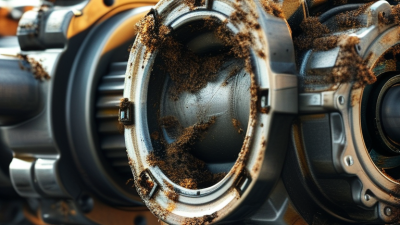
Maintaining a hydraulic gear pump is essential for optimal performance. Regular maintenance not only enhances the longevity of the pump, but also ensures efficiency in operations. Pay close attention to the condition of the oil and filter. Contaminated oil can cause significant wear to the components. Change the oil based on the manufacturer’s recommendations, but don’t hesitate to do it more frequently if you notice any sign of dirt.
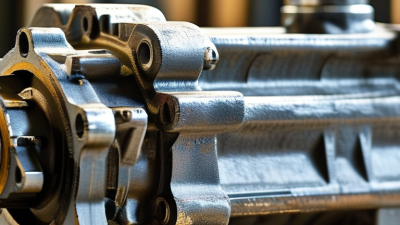
Gear pumps with a cast iron body are known for their durability, making them a popular choice in many industries. However, even robust materials require care. Inspect the pump for leaks regularly. A small leak can quickly escalate into a major issue, affecting overall efficiency. Keep the surrounding area clean to easily spot leaks. Regularly check for unusual noises or vibrations, as these may indicate problems that need immediate attention.
Lastly, ensure that the pump is properly aligned and secured. Misalignment can lead to increased wear and tear. While it’s easy to overlook a pump’s alignment, even a tiny deviation can cause significant damage over time. Invest time in these maintenance practices. They will pay off in reliability and performance improvements, helping your hydraulic gear pump achieve its best potential.
Essential Guide to Choosing the Right Power Pump Station: Spotlight on DPU3030 Model
When considering the selection of a power pump station, the DPU3030 model stands out due to its remarkable specifications and capabilities. This pump is engineered with a pressure grade of G: 25MPa, suitable for various industrial applications where high pressure is essential. Its nominal displacement of 3.0 mL/r allows for precise fluid movement, making it an ideal choice for tasks requiring accurate flow rates in hydraulic systems. The combination of these characteristics makes the DPU3030 an exceptional option for industries such as manufacturing, construction, and energy, where efficient power transmission is critical.
Additionally, the motor power of 3.0 kW is significant in providing robust performance for demanding tasks. According to recent industry reports, power pump stations equipped with motors of this capacity demonstrate enhanced operational efficiency and reduced energy consumption, contributing to lower overall operational costs. The DPU3030’s design ensures that it can handle the rigorous demands of industrial environments, while maintaining reliability and longevity, aligning with the growing need for sustainable energy solutions in the sector.
As industries increasingly seek to optimize their operations, the choice of the right power pump station becomes crucial. The DPU3030, with its high-performance specifications and adaptability, not only meets the standard requirements but also emerges as a future-proof solution in the evolving landscape of hydraulic applications.
FAQS
: Direction control determines fluid flow, impacting performance and efficiency. Incorrect flow can cause failure.
Ensure compatibility of components. A mismatched part can reduce efficiency significantly.
Disconnect the pump from power. This ensures safety during your adjustments and actions.
It’s typically near the pump’s inlet port. Check orientation markings on the pump casing.
Regularly change oil and filter based on condition. Contaminated oil leads to wear and inefficiencies.
Inspect the pump regularly and keep the area clean to spot leaks easily.
Unusual noises or vibrations may indicate problems. Address these actively for better performance.
Documentation helps track adjustments and improves skills in system management over time.
Misalignment can cause increased wear and potentially significant damage over time.
Reflect on past experiences and learn from mistakes. Continuous practice is essential for improvement.
Conclusion
In the article titled "How to Change Direction of Hydraulic Gear Pump for OEM High Quality Use," readers are guided through the essential aspects of hydraulic gear pumps, highlighting their applications and the significance of direction control in hydraulic systems. The importance of preparing adequately for changing a gear pump's direction is emphasized, alongside a detailed list of tools and safety measures necessary for the task.
The step-by-step process outlined for changing the pump direction ensures clarity and thoroughness, enabling effective implementation. After making the change, testing and verifying the new flow direction are crucial steps to ensure proper functionality. Furthermore, the article addresses common challenges and troubleshooting tips encountered during the direction change. Finally, maintenance advice is provided to help improve overall gear pump performance, ensuring reliability in hydraulic applications. This comprehensive approach answers the question of "How To Change Direction Of Hydraulic Gear Pump" effectively for both OEM and general use.



 coco
 mr-li