Choosing the right hydraulic gear motor is pretty darn important if you want your equipment to perform well across various jobs. I came across a report from Grand View Research that said the hydraulic motor market is expected to hit around USD 5.76 billion by 2025. That’s a huge number, and it really highlights how crucial it is to pick a motor that’s suited for your specific needs. Let’s be honest—lots of industries depend on reliable machinery, and getting the right Gear Type Hydraulic Motor can seriously boost productivity.
Getting a handle on the different types of hydraulic gear motors is key. They come in all sorts of torque, speed, and efficiency levels. For example, if you’re lifting heavy stuff, you’ll probably want a high-torque motor. But for lighter tasks, a smaller, more efficient motor might do the trick. The tricky part? Making the right choice isn’t always straightforward. Not every motor is perfect for every job, and picking the wrong one can lead to inefficiencies and those nagging extra costs. Plus, industry folks often struggle to find the sweet spot between performance and energy use.
And don’t forget about reliability — it’s a huge deal. The lifespan of a hydraulic gear motor can totally make or break your operational costs. According to the Hydraulic Institute, choosing the right motor and keeping it well-maintained can really extend its life. Sadly, a lot of users tend to overlook this part, which ends up causing them to replace motors more often than they should. Taking the time to carefully select the right gear type hydraulic motor—one that matches what you need in terms of performance and durability—is definitely worth it in the long run.
Understanding Hydraulic Gear Motors: Basics and Functions
Hydraulic gear motors play a crucial role in various applications, from construction to automotive industries. Understanding their basics and functions is essential for making informed choices. These motors convert hydraulic energy into mechanical energy, enabling high torque output and consistent performance. According to a report by Transparency Market Research, the global hydraulic motors market is expected to reach $15 billion by 2026, reflecting their growing importance in industrial applications.
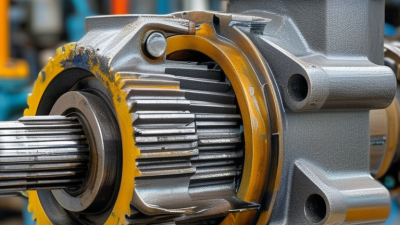
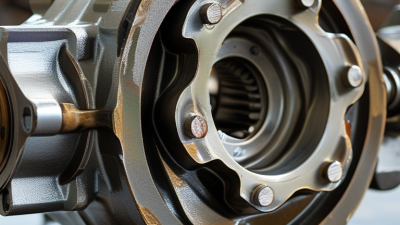
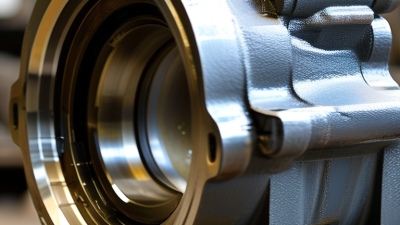
Key components of hydraulic gear motors include gears, housing, and seals. Gears are responsible for converting hydraulic pressure into rotational motion. The housing contains the gears and maintains integrity under pressure. Seals prevent fluid leaks, which can compromise efficiency. It's vital to choose motors with high-quality seals. Leaks not only reduce effectiveness but can also lead to system failures.
Understanding your specific needs can be challenging. Variables such as load requirements, speed, and environmental conditions significantly impact performance. A motor suited for light-duty applications may fail under heavy loads. Manufacturers often provide performance data, but they can sometimes be misleading. It’s crucial to verify these claims against real-world conditions. A deeper dive into technical specifications can illuminate the best fit for your application. Wise selection can enhance operational efficiency and longevity of your machinery.
Identifying Your Specific Application Requirements
When selecting a hydraulic gear motor, it's crucial to identify specific application requirements.
Start by evaluating the environment where the motor will operate. Is it indoors or outdoors?
Will it face extreme temperatures or dust? These factors can significantly impact the motor’s performance and longevity.
Consider the required power and speed for your application. A High Torque Hydraulic Gear Motor may be necessary for jobs that involve heavy loads or require fast movement.
Assessing the torque and RPM rates helps in selecting the right motor. It is essential to match these specifications to your machinery to avoid inefficiencies or failures.
Hydraulic systems may operate under varying pressure levels. Ensure that your chosen motor can handle these variations safely and effectively.
It's also wise to forecast potential future needs. Will your application evolve?
Being overly specific can lead to a mismatch later on.
Choosing a versatile motor allows for adjustments as operational demands change.
Engaging with industry experts can provide valuable insights, but personal research remains key in making informed decisions.
Evaluating Key Specifications: Torque, Speed, and Pressure
When selecting a hydraulic gear motor, three key specifications are essential: torque, speed, and pressure. These factors heavily influence the motor's performance and suitability for your application. Torque indicates the turning force. Higher torque is crucial for heavy-duty applications, while lower torque suffices for lighter tasks. You might find that an overpowered motor leads to unnecessary energy consumption. Balancing torque with workload can optimize efficiency.
Speed is another critical specification. It is measured in revolutions per minute (RPM). Depending on your operation, you might require a fast or slow motor. Faster does not always mean better. Think about stability and control. For precision tasks, a slower speed may offer improved performance. Testing various speeds under real-world conditions is advisable.
Pressure ratings determine the motor's maximum operating limits. Ensure your hydraulic gear motor can handle your system's pressure. Exceeding this limit risks failure and safety hazards. Choosing a motor with a slightly higher pressure rating can provide a buffer for unexpected loads.
Tips: Assess the specific conditions of your project. Keep an eye on environmental factors like temperature and fluid properties. Consider future upgrades or changes in workload demands. Predicting these needs can save time and costs later.
Comparing Different Types of Hydraulic Gear Motors
Hydraulic gear motors come in various types, each designed for specific applications. Understanding their differences can help you select the right one. Gear motors typically use either spur gears or helical gears.
Spur gears are simpler but might create more noise. Helical gears, on the other hand, operate more quietly and smoothly.
Consider the application when choosing a motor. If precision is key, opt for a hydraulic gear motor with high accuracy. Look at the torque and speed requirements too. Not every motor suits every task. Reflect on your environment. A cramped space may necessitate a compact design, while dust and moisture could mean you need a robust, sealed type.
Tips: Ensure you evaluate the efficiency of each type. Some Aluminum Hydraulic Gear Motors offer lighter weight and improved heat dissipation. However, their load capacity can differ. Also, don't overlook the cost versus performance aspect. Choosing solely based on price can lead to challenges later. Always balance budget constraints with your specific needs for reliability and efficiency.
Selecting the Right Size and Capacity for Your System
Selecting the right size and capacity for your hydraulic gear motor is crucial. A motor too small for your system will struggle. Conversely, an oversized motor can lead to inefficiencies. Industry studies suggest that about 30% of mechanical failures stem from inappropriate motor sizing. Choosing wisely can extend motor life and optimize performance.
Consider your system's operational demands. Assess the torque and speed requirements accurately. For example, a hydraulic gear motor rated for 25 Nm may work for light loads, but heavy applications require upwards of 100 Nm. Experts recommend analyzing peak loads during operation. You may find that seasonal variations affect these requirements, adding complexity.
Take into account the environment as well. Contamination and temperature can impact motor performance. Data indicates that over 60% of hydraulic issues relate to fluid cleanliness. Regular maintenance can prevent issues. Be prepared to adjust your selection based on performance feedback. Continuous evaluation helps ensure your Hydraulic Motor Gear meets evolving system demands.
Considering Material Compatibility and Environmental Factors
When selecting a hydraulic gear motor, material compatibility is crucial. The motor's materials should withstand the specific fluids used in your application. For example, if your system uses water-based fluids, corrosion-resistant materials like stainless steel are essential. According to industry research, up to 50% of hydraulic system failures can be traced back to incompatible materials.
Environmental factors also play a role in selection. Motors must operate in diverse conditions such as extreme temperatures or high humidity. These environments can impact performance significantly. A study by the Hydraulic Institute indicates that 30% of motors fail due to environmental stressors. Users should evaluate the motor's protection rating. A higher IP rating can ensure better resistance to dust and moisture, essential for outdoor applications.
Selecting the right hydraulic gear motor means balancing these factors. Even slight oversights in material or environmental considerations can lead to premature failures. Regular material assessment can help avoid costly downtime. Continuous learning and adaptation are vital in the ever-changing industrial landscape.
How to Choose the Right Hydraulic Gear Motor for Your Needs? - Considering Material Compatibility and Environmental Factors
| Motor Type |
Max Pressure (psi) |
Temperature Range (°C) |
Material Compatibility |
Environmental Rating |
| Gear Motor A |
3000 |
-20 to 80 |
Aluminum, Steel |
IP67 |
| Gear Motor B |
2500 |
-10 to 70 |
Cast Iron, Nylon |
IP65 |
| Gear Motor C |
2000 |
-30 to 60 |
Stainless Steel |
IP68 |
| Gear Motor D |
3500 |
0 to 85 |
Brass, Copper |
IP66 |
Budgeting and Cost Considerations for Hydraulic Gear Motors
When budgeting for hydraulic gear motors, consider initial costs and long-term expenses. Prices can vary widely based on specifications and capabilities. A Bidirectional Hydraulic Gear Motor often costs more due to its versatility and design complexity. Account for installation and maintenance costs, which are not always included in the purchase price.
Researching different models can be time-consuming but is crucial. Comparing performance metrics and reliability ratings helps you understand what you need. It’s easy to overspend on features that you may not use. On the other hand, compromising on quality can lead to higher long-term costs.
After making your purchase, ongoing costs like energy use and repairs will affect your budget. Evaluate how a bidirectional hydraulic gear motor will impact overall efficiency. Carefully track your expenses over time. This reflection is essential for future projects. It may help refine your budget for similar purchases down the line.
FAQS
: They convert hydraulic energy into mechanical energy. This enables high torque output in various applications.
They include gears, housing, and seals. Each plays a role in performance and efficiency.
Seals prevent fluid leaks. Leaks can reduce efficiency and lead to failures.
Consider load requirements, speed, and environmental conditions. Each factor affects performance.
Torque indicates the turning force. Higher torque is needed for heavy-duty applications.
Speed measured in RPM affects control. Sometimes, slower speeds are better for precision tasks.
Ensure the motor can handle your system's pressure. Exceeding limits can cause failures.
Initial costs vary widely. Long-term costs include installation, maintenance, and energy use.
Yes, comparing performance metrics helps avoid overspending on unnecessary features.
Track ongoing costs and reflect on your expenses. This helps refine future project budgets.
Conclusion
When selecting the right Hydraulic Gear Motor for your application, it is crucial to first understand the basics and functions of these motors. Start by identifying your specific application requirements, which will guide the selection process. Key specifications such as torque, speed, and pressure must be evaluated to ensure compatibility with your system's needs.
Additionally, comparing different types of Hydraulic Gear Motors can help you pinpoint the most suitable option. It is important to select the correct size and capacity to optimize performance, while also considering material compatibility and environmental factors that may affect the motor's operation. Lastly, budgeting and cost considerations play a vital role in your decision-making process, ensuring that you choose a Hydraulic Gear Motor that not only meets your operational needs but also fits within your financial constraints.



 coco
 mr-li