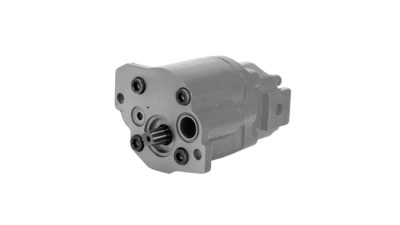
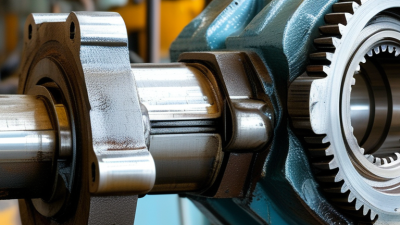
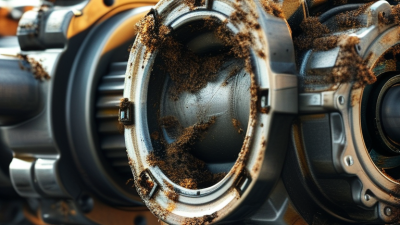
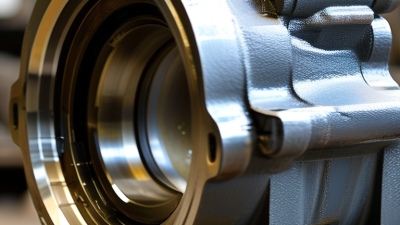
A double gear pump might sound like technical jargon, but it’s actually a pretty essential piece of equipment used across lots of industries. If you’re wondering, “What exactly is a double gear pump?”—you’re not alone. Basically, it’s a pump with two gears that mesh together, creating a kind of vacuum that pulls fluid in and then pushes it out efficiently. The design is pretty clever because it ensures reliable, precise fluid movement, which is super important in many processes.
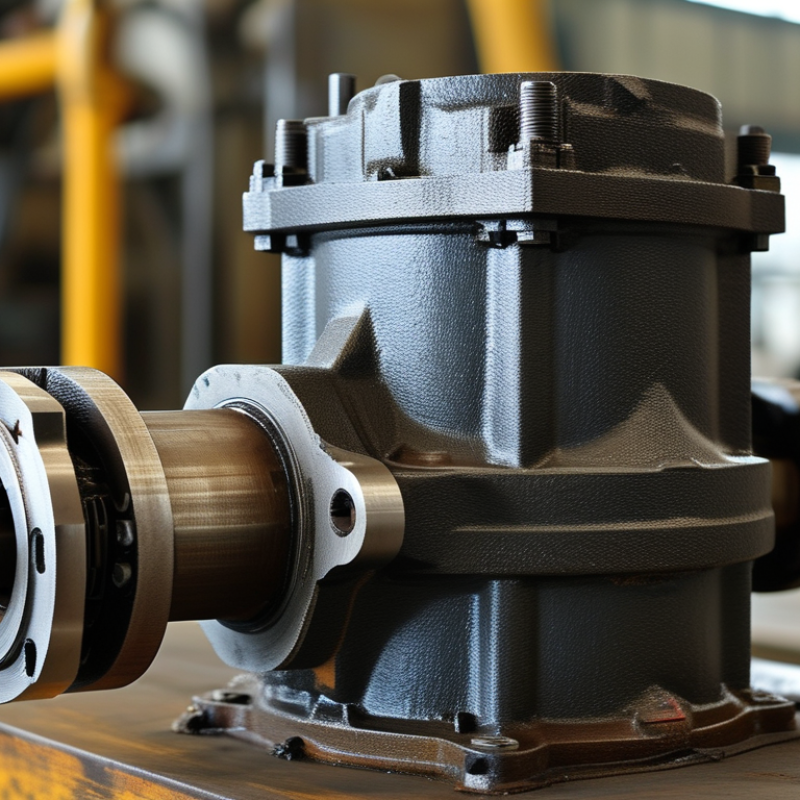
You’ll often hear about the Cast Iron Double Gear Pump — it’s kind of the go-to in many industrial setups. Why? Well, because the cast iron build makes it tough and durable, even under high pressure. If you’re dealing with thicker, more viscous fluids, this pump handles them like a champ, with less worry about wear and tear. But, a quick heads-up—if you don’t keep up with regular maintenance, its performance might suffer, so don’t forget that part!
And here’s the thing: proper installation and careful operation are key. Even a tiny misalignment can throw things off, leading to less efficiency and more headaches in the long run. So, taking a moment to understand these basics can really make a difference, helping you get the most out of your pump and keep things running smoothly across different applications.
What Is a Double Gear Pump? Definition and Overview
A Double Gear Pump is a specific type of positive displacement pump used to move liquids. It operates via two intermeshing gears that help to draw in fluid and push it out. The design is effective for transferring high-viscosity fluids, making it popular in various industries.
The key benefits of a double gear pump include its simplicity and efficiency. As the gears rotate, they create a vacuum that draws fluid into the pump. This process ensures a continuous flow with minimal pulsation. The materials used are crucial, as they need to withstand the stresses of high pressure and the nature of the fluid being pumped.
While double gear pumps are reliable, they are not without challenges. They can be susceptible to wear, particularly if the fluid contains abrasive particles. Proper maintenance is essential to ensure longevity. Understanding operational limits helps in avoiding issues that could arise due to misuse. In essence, while the double gear pump is a robust solution, careful consideration of its application is vital for optimal performance.
The Working Principle of Double Gear Pumps: A Detailed Explanation
Double gear pumps operate on a straightforward principle. They utilize two interlocking gears to move fluid. As one gear turns, it draws liquid into the pump. This process creates a vacuum that helps pull more fluid in. The liquid is then trapped between the gears and the pump casing. As the gears rotate, they push the fluid toward the discharge side. This movement ensures a continuous flow, essential for many industrial applications.
The design of a double gear pump allows for efficient fluid transfer. Their compact size makes them suitable for tight spaces. However, accruing debris can become a blockage. Regular maintenance is vital to ensure longevity. Observing unusual noises during operation may signal an issue. Users must remain vigilant for performance changes. The Heavy Duty Double Gear Pump, in particular, can handle high viscosity fluids. Its durability is crucial for heavy-duty applications. Choosing the right pump requires considering performance factors carefully.
Components of a Double Gear Pump: Key Parts and Their Functions
A double gear pump is a crucial component in various hydraulic systems. The pump consists of key parts that work together to ensure efficient operation. Understanding these components helps in grasping how they function in demanding environments.
The main elements of a double gear pump are the rotor, gears, and casing. The rotor drives the internal gears, which are usually made of high-strength materials. These gears mesh together to create suction and discharge ports. According to industry studies, the efficiency of these pumps can reach up to 95% under optimal conditions. This efficiency is vital for many industrial applications, where precise fluid transfer is necessary.
There are challenges associated with double gear pumps. Wear and tear on gears can occur, leading to reduced performance. Regular maintenance and monitoring are essential to address these issues. In some cases, noise levels may increase as the pump operates. Such factors can impact the overall reliability of the system. Analyzing these components and their conditions allows for better decision-making in ensuring the longevity of the pump.
Applications of Double Gear Pumps in Various Industries
Double gear pumps are widely used in various industries due to their efficient and reliable performance. These pumps work by using two interlocking gears to move fluid. This design allows for a continuous and smooth flow of liquid, making them ideal for applications requiring consistent pressure. Industries such as automotive, manufacturing, and food processing frequently rely on double gear pumps.
In automotive applications, double gear pumps help in lubricating engine parts and maintaining proper fluid levels. They are critical in hydraulic systems, ensuring that vehicles operate smoothly under various conditions. In the manufacturing sector, these pumps are used to transfer viscous materials, such as paints and adhesives, from one location to another. Their ability to handle thick fluids reduces downtime during production.
However, not all uses are flawless. Some industries may face challenges with wear and tear on the gears over time. Regular maintenance is necessary for optimal performance. Additionally, the choice of materials for the fluids being pumped must be considered. In the food industry, for example, using incompatible materials can lead to contamination. This highlights the importance of careful selection and monitoring in pump applications.
Performance Characteristics: Flow Rate and Pressure Considerations
Double gear pumps are essential components in various hydraulic systems. They function by using two intermeshed gears to create a consistent flow of liquid. This design ensures a smooth and steady output. Understanding their performance characteristics, especially flow rate and pressure, is crucial for effective application.
Flow rate is a vital aspect of double gear pumps. It is measured in gallons per minute (GPM) or liters per minute (LPM). The flow rate depends on the pump's design and speed. Higher speeds generally produce greater flow rates. However, increasing the speed can cause wear and tear, reducing the pump's lifespan. Operators should find a balance between speed and efficiency to maintain long-term functionality.
Pressure considerations are equally important. Double gear pumps can generate a variety of pressures. The design influences how these pressures are developed and controlled. While higher pressures may enhance performance, they can also lead to potential failures if not managed properly. Always ensure that the system's pressure ratings align with the pump specifications.
Make sure to regularly inspect the pump for any wear signs. Small issues can escalate quickly if not addressed. Regular maintenance checks help in identifying potential problems early on. Consider keeping a maintenance log to track the pump’s performance and service history.
Advantages of Using Double Gear Pumps Over Other Pump Types
Double gear pumps offer several benefits that make them a preferred choice in various applications. Their simple design allows for easy maintenance and reduced downtime. Users often find these pumps reliable for transferring viscous fluids without significant energy loss. One notable advantage is their ability to maintain a consistent flow under varying pressures. This attribute makes them ideal for situations where stability is essential.
Another compelling reason to use double gear pumps is their efficiency in converting rotational energy to fluid movement. Their compact size and lightweight features make them suitable for integration into different systems. Engineers appreciate how an Aluminum Double Gear Pump can reduce installation complexity, providing flexibility for various configurations. This efficiency can result in lower operational costs over time.
While double gear pumps present numerous advantages, potential drawbacks need consideration. For instance, their performance can be affected by fluid temperature and viscosity. Users may have to adjust pump settings based on fluid properties to avoid inefficiencies. Additionally, while their design is robust, extreme conditions could lead to wear and tear, necessitating regular monitoring and maintenance.
What Is A Double Gear Pump and How Does It Work? - Advantages of Using Double Gear Pumps Over Other Pump Types
| Feature |
Double Gear Pump |
Other Pump Types |
| Efficiency |
High efficiency due to continuous flow |
Varies greatly by type |
| Viscosity Handling |
Handles high-viscosity fluids well |
Often limited to lower viscosities |
| Maintenance |
Relatively low maintenance |
Can require more frequent maintenance |
| Self-Priming |
Yes |
Depends on type |
| Cost |
Moderate initial investment, long-term savings |
Can be lower initial cost but higher running costs |
| Flow Rate |
Consistent flow rate |
Inconsistent depending on pump type |
Maintenance and Troubleshooting Tips for Double Gear Pumps
Double gear pumps are efficient devices widely used in various industrial applications. To ensure their longevity and optimal performance, regular maintenance is vital. Many operators overlook the importance of routine checks. Small issues can escalate if not addressed promptly.
Frequent oil changes are essential. Check for contamination or viscosity changes. This helps maintain the pump's efficiency. Clean critical components regularly as debris can impede operation. Always inspect seals for wear. Replacing worn seals can prevent fluid leaks, saving time and resources.
Troubleshooting is equally important. If you notice unusual noises or vibrations, don’t ignore them. This can indicate misalignment or internal wear. Monitor pressure levels closely. Irregular pressure may signify a blockage or damaged gears. These issues require immediate attention to avoid costly repairs. A proactive approach to maintenance enhances pump reliability and performance.
Optimizing Fluid Transfer Efficiency: The Benefits of CBXWJA-2D28 Tandem Gear Pump AP2D28 Piston Pump
The efficiency of fluid transfer in hydraulic systems is paramount for optimal performance and reliability. In this context, the CBXWJA-2D28 tandem gear pump and the AP2D28 piston pump stand out for their ability to enhance transfer efficiency significantly. With a remarkable pressure grade of up to 25 MPa, these pumps are designed to meet the rigorous demands of industrial applications, including excavators where fluid dynamics are critical for operation.
The nominal displacement of these pumps is another crucial feature, with values reaching 18 mL/r for the tandem gear pump and 4.5 mL/r for the piston pump. This design allows for precise fluid management, which is essential for maintaining consistent power output and reducing wear on system components. Through their SAE involute spline coupling form, these pumps ensure a secure connection to the input shaft, reducing energy loss and improving overall system integrity.
In applications like the Tian Lishi le 5.5T excavator, leveraging the capabilities of these pumps not only streamlines operations but also enhances productivity. Reports from industry analysis indicate that utilizing pumps with higher efficiency ratings can reduce energy consumption significantly, translating into lower operational costs and increased durability of hydraulic systems. By incorporating the CBXWJA-2D28 and AP2D28 pumps into robust hydraulic schematics, operators can expect a substantial performance boost in demanding environments.
FAQS
: They use two intermeshed gears to create a steady flow of liquid.
Flow rate is measured in gallons per minute (GPM) or liters per minute (LPM).
Flow rate depends on the pump's design and speed. Higher speed often means greater flow rates.
Higher speeds can cause wear and tear and reduce the pump's lifespan.
While higher pressures can enhance performance, improper management can lead to failures.
Regular inspections are necessary to detect signs of wear and address small issues quickly.
They maintain a consistent flow under varying pressures, ideal for stability.
Yes, performance can be impacted by fluid temperature and viscosity.
Users may need to adjust settings based on fluid properties and regularly monitor for wear.
Keeping a maintenance log helps track performance and service history.
Conclusion
A double gear pump is a type of positive displacement pump that utilizes two interlocking gears to move fluid efficiently. The mechanism operates by creating a vacuum that draws fluid into the pump through inlet ports and then forces it out under pressure through outlet ports. Key components of a double gear pump include the gears, housing, and drive shaft, each playing a crucial role in ensuring optimal performance.
Widely applicable across various industries, double gear pumps are renowned for their reliability and high flow rates, making them ideal for handling viscous liquids. Their advantages over other pump types include lower maintenance requirements and enhanced durability. To ensure longevity and optimal functionality, periodic maintenance and troubleshooting are essential. Understanding these elements is critical for anyone looking to implement or optimize the use of double gear pumps in their operations.



 coco
 mr-li