Leave Your Message
0%

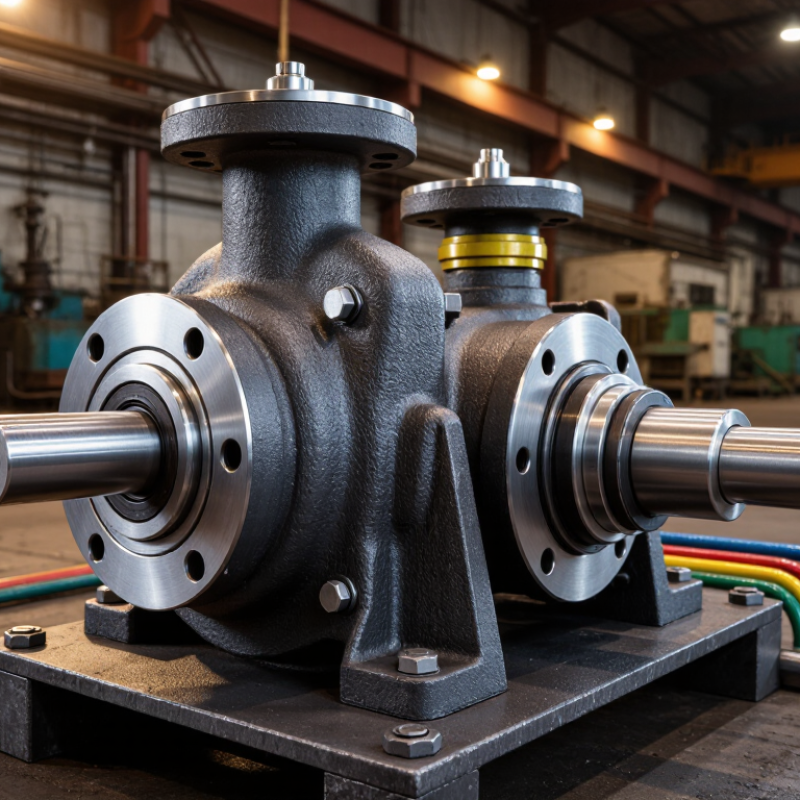
You know, industrial plants rarely even think about gear pumps when production is humming along just fine. It's only when the pressure takes a nosedive, a seal starts leaking, or a motor grinds away next to a hot, noisy machine that they really notice. So picking a durable gear pump isn't just about comparing flow rates. You've got to match the pump to the fluid you're pumping, the operating pressure, speed, duty cycle, and even the installation conditions.

Listen, a durable cast iron gear pump? Yeah, it can handle some serious industrial work, but don't think just because it's got that cast iron housing it's gonna last forever. That's only part of the story. You really gotta dig into what the manufacturer says about pressure and temperature limits, the shaft and seal options, and whether it's compatible with your fluids. And don't skip their maintenance advice. Also, keep your ears open for any new noises it might start making, and check for leaks regularly – even the little ones count. Trust me, those small warning signs are actually a big deal.

You know, when it comes to hydraulics, Andrew Parr is a pretty big deal – a real authority in the field. And what he’s getting at here (though I’m paraphrasing, not quoting him word-for-word) is that picking a reliable pump isn’t just about the pump itself. You’ve gotta see the whole system. That’s a point that’s super easy to miss, honestly. I mean, a pump might do great on a clean test bench, but out in the real world? Cold starts, dirty fluid, constant load changes – that’s where it really gets put through the wringer. So yeah, actual operating conditions matter a lot.

Alright, so we're going to look at durable gear pumps from a practical angle – you know, construction, performance ratings, how easy they are to service, and whether they actually fit your application. We'll also weigh the trade-offs between building something tough and what that does to your wallet. Let's be real – no pump is flawless. The right one? It really depends on what you're using it for, and also on how well you keep up with maintenance – something people often overlook.

Top Durable Gear Pumps for Industrial Use?

What Is an Industrial Gear Pump?

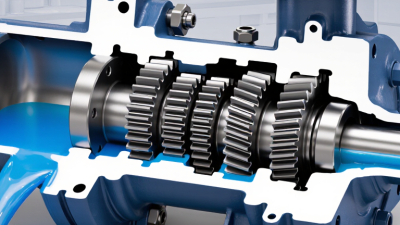
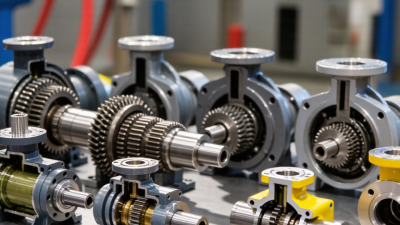
An industrial gear pump is a positive-displacement machine that moves liquid through rotating gears. Two meshing gears trap fluid between their teeth and the casing. Rotation carries the liquid from the inlet to the discharge port. Internal clearances are small, often only a few hundredths of a millimeter. This design delivers steady flow, even at low speeds.

The U.S. Department of Energy’s pumping-system guidance estimates that pumping systems can consume about 25% of industrial electricity. That figure is not gear-pump-specific, but it highlights the cost of poor selection. A Durable Gear Pump should match fluid viscosity, temperature, pressure, and required flow. Thick oil may improve volumetric efficiency. Thin liquid can increase internal slip and wear. A relief valve is essential because a blocked outlet can create dangerous pressure quickly.

API 676 covers rotary positive-displacement pump requirements, including testing and mechanical design considerations. In practical operation, clean filtration matters greatly. A small metal chip can score gear faces and damage the housing. Operators should check noise, vibration, leakage, and motor load during routine inspections. I would not call any gear pump maintenance-free. That description is too optimistic. Seal life, alignment, and fluid cleanliness still decide service life. A pump that runs quietly for months may still hide gradual wear. Examine performance trends, not only visible damage.

How Do Gear Pumps Work in Industrial Systems?

In an industrial hydraulic system, a gear pump moves oil by trapping it between rotating gear teeth and the housing. As the teeth separate near the inlet, they create space that draws fluid into the pump. The oil travels around the outer edges of the gears, not through their meshing center. When the teeth engage again, they push fluid toward the outlet. Simple motion. Steady delivery.

The pump supplies flow; system resistance helps determine pressure. That distinction matters when diagnosing slow cylinders or noisy equipment. Excessive heat, thin or contaminated oil, and worn clearances can reduce performance. Inspect seals, shafts, bearings, and other Hydraulic Gear Pump Parts during scheduled maintenance. A small scoring mark inside the housing can matter. I might overlook it during a rushed inspection, so good lighting and clean measurement tools are worth the extra minute. Gear pumps are robust, but not immune to poor operating conditions.

Tips: Keep the inlet line unrestricted, use fluid suited to the machine, and check for foaming or unusual noise. Record oil temperature and pressure under consistent operating conditions; one reading alone can mislead.

Which Materials and Designs Improve Gear Pump Durability?

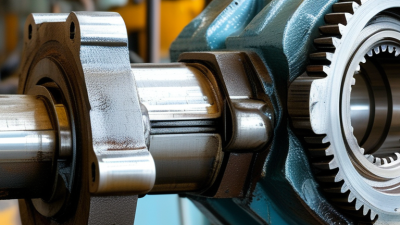
A durable gear pump starts with materials suited to the fluid, pressure, and operating temperature. Hardened steel gears resist tooth wear under demanding loads. Stainless steel can improve corrosion resistance, though the right grade depends on the fluid. A cast-iron housing offers stiffness and vibration control. An Aluminum Body Gear Pump may reduce weight and shed heat effectively, but aluminum is not ideal for every abrasive or corrosive application. Small details matter.

Design choices protect those materials. Close, consistent clearances help limit internal leakage without creating excessive friction. Strong shaft support reduces deflection, especially during pressure changes. Surface treatments can slow wear, but they cannot compensate for poor lubrication or contaminated fluid. Heat changes everything. A pump that performs well on a cool test bench may wear faster in a hot, dusty plant.

Tips: Check fluid compatibility before choosing housing and seal materials. Use clean strainers, monitor operating temperature, and inspect gear teeth for scoring during service. Match the pump’s pressure rating to real operating conditions, not just the system’s average. Keep notes on noise and flow changes; small shifts can signal wear. One caveat: maintenance intervals are not universal, so adjust them to actual duty and inspection findings.

Top Durable Gear Pumps for Industrial Use? - Which Materials and Designs Improve Gear Pump Durability?

Gear Pump Configuration Typical Housing Material Gear and Shaft Materials Recommended Fluid Conditions Typical Operating Range* Durability-Improving Design Features Best-Suited Industrial Applications Durability Assessment
Standard external gear pump Cast iron or ductile iron Hardened alloy-steel gears and shaft Clean or moderately contaminated lubricating oils, hydraulic fluids, and fuels Pressure: approximately 100–250 bar
Temperature: approximately -20°C to 100°C
Hardened tooth surfaces, replaceable bushings, rigid housing, and positive shaft support Hydraulic power units, lubrication systems, fuel transfer, and general process machinery High for general industrial service
Stainless-steel external gear pump 304 or 316 stainless steel Stainless steel gears and shaft; optional hardened wear surfaces Water-based fluids, mildly corrosive liquids, chemicals, and food-process fluids where compatible Pressure: approximately 50–200 bar
Temperature: approximately -20°C to 150°C
Corrosion-resistant wetted parts, smooth internal surfaces, reduced crevice areas, and hygienic construction options Chemical processing, water treatment, food and beverage equipment, and marine service High corrosion resistance; verify chemical compatibility
Ductile-iron heavy-duty gear pump Ductile iron with reinforced end plates Case-hardened alloy steel gears and drive shaft High-viscosity oils, hydraulic fluids, and fluids containing limited solid contamination Pressure: approximately 150–300 bar
Temperature: approximately -20°C to 120°C
High-strength housing, larger bearing areas, pressure-balanced side plates, and improved resistance to shock loading Mobile hydraulics, presses, construction equipment, and demanding power-transmission systems Very high mechanical strength
Bronze or bronze-alloy gear pump Bronze or bronze-aluminum alloy Hardened steel gears with bronze wear components Marine oils, lubricating oils, and applications requiring good sliding and anti-seizure properties Pressure: approximately 50–150 bar
Temperature: approximately -20°C to 120°C
Good resistance to galling, compatible dissimilar-metal pairs, and effective performance under intermittent lubrication Marine systems, shipboard lubrication, fuel transfer, and low-speed process equipment Very good sliding-wear performance
Magnetically coupled gear pump Stainless steel, alloy steel, or engineered corrosion-resistant alloys Hardened metal gears with enclosed magnetic coupling Hazardous, toxic, volatile, or highly corrosive liquids that must remain sealed Pressure: approximately 10–150 bar
Temperature: approximately -20°C to 200°C, depending on construction
Sealless drive, leak prevention, hermetic containment, and reduced emissions from shaft seals Chemical dosing, solvent transfer, heat-transfer fluids, and hazardous-fluid handling Excellent leak control; requires proper thermal management
Low-clearance precision gear pump Aluminum alloy, cast iron, or stainless steel Precision-ground steel gears with hardened or coated tooth surfaces Clean, low-to-medium viscosity fluids with stable lubrication properties Pressure: approximately 20–150 bar
Temperature: approximately -20°C to 120°C
Tight internal clearances, precision machining, balanced end loading, and optimized tooth geometry Metering, polymer processing, ink systems, chemical dosing, and controlled-flow applications Excellent efficiency when contamination is controlled
Abrasion-resistant coated gear pump Steel, ductile iron, or stainless steel Tool steel or alloy steel with carbide, nickel, or other wear-resistant surface treatments Fluids with fine abrasive particles, filled polymers, pigments, or moderate solids content Pressure: approximately 50–200 bar
Temperature: approximately -20°C to 180°C
Wear-resistant coatings, hardened gears, replaceable wear plates, filtration, and enlarged flow passages Paints and coatings, plastics processing, mineral oils, and abrasive chemical mixtures High wear resistance; filtration remains essential
Food-grade hygienic gear pump 316L stainless steel Stainless steel gears with food-compatible polymer or elastomer components Edible oils, syrups, dairy products, pharmaceutical liquids, and other sanitary fluids Pressure: approximately 10–100 bar
Temperature: approximately 0°C to 150°C
Polished wetted surfaces, sanitary seals, drainable geometry, minimal dead zones, and clean-in-place capability Food processing, beverage production, cosmetics, and pharmaceutical manufacturing High hygienic durability when cleaning procedures are followed
High-temperature gear pump Heat-resistant alloy steel or stainless steel Heat-treated alloy steel gears and shaft with high-temperature bearings and seals Hot oils, molten polymers, thermal fluids, and other elevated-temperature liquids Pressure: approximately 20–150 bar
Temperature: approximately 150°C to 350°C
Thermal expansion allowances, heated or cooled bearing zones, high-temperature seals, and controlled clearances Polymer production, asphalt handling, thermal-oil circulation, and specialty chemical processing Very high thermal capability; requires precise temperature control

*Operating ranges are typical engineering guidelines rather than universal limits. Actual durability depends on fluid viscosity, lubrication quality, contamination level, speed, pressure, temperature, alignment, filtration, seal selection, and maintenance practices.

What Performance Factors Matter When Comparing Gear Pumps?

Comparing durable gear pumps starts with the operating conditions, not the catalogue headline. Check required flow across the full speed range, then match pressure ratings to the system’s actual peaks. A pump that handles steady pressure may wear faster when exposed to frequent pressure spikes. Fluid viscosity and temperature matter, too; cold oil can increase starting load, while hot oil may reduce lubrication.

Look closely at housing and gear materials, shaft support, seal compatibility, and internal clearances. These details influence wear, leakage, and service life. A Triple Hydraulic Gear Pump may suit equipment that needs multiple flow paths, but its value depends on how well its output matches the circuit.

Ask for performance data at your expected speed, pressure, and fluid temperature. Noise and vibration can also reveal poor alignment or unsuitable operating conditions. Small clues count.

Filtration is easy to overlook. Fine particles can score contact surfaces, gradually reducing volumetric efficiency. Compare maintenance intervals and confirm that replacement seals and other wear parts are practical to source.

Also consider installation space, shaft coupling, and the duty cycle; a pump running intermittently faces different demands from one operating all day. Test results are useful, but field conditions are rarely tidy. Recheck assumptions after installation, especially if the pump runs hotter or louder than expected.

Which Gear Pump Types Suit Demanding Industrial Applications?

Demanding industrial service rarely needs the biggest pump; it needs the right gear geometry. External gear pumps suit high-pressure oil, fuel, and hydraulic circuits. Their simple construction handles steady flow and frequent cycling. Tight clearances improve efficiency, but they dislike abrasive particles and poor filtration. A few grains can score the housing quickly.

Internal gear pumps are often better for thick fluids, including resins, polymers, lubricants, and heated process oils. Their gentler flow can reduce shear and noise. Many versions support jacketed housings, which help maintain fluid temperature during startup. However, cold fluid may still overload the motor. Temperature changes matter more than catalog numbers suggest.

Helical gear pumps can reduce pulsation and operate quietly in continuous-duty systems. They fit applications requiring stable dosing, such as chemical processing and blending. Gerotor designs may work well where compact size and moderate pressure are priorities. They are not universal solutions. Engineers should check viscosity, pressure, speed, temperature, seal compatibility, and particle content together. Maintenance records often reveal the truth: a pump may fail from dry running, not poor design. Selecting a larger model feels safer, but it can increase heat, energy use, and wear. A trial with real fluid is wiser than relying on water tests alone.

How Should Industrial Gear Pumps Be Selected and Maintained?

Selecting a durable industrial gear pump begins with the fluid, not the catalog. Record viscosity, temperature, pressure, flow rate, and contamination risk. A pump sized only by flow may run beyond its pressure limit. The U.S. Department of Energy reports that pumping systems can consume 25% to 50% of industrial facility electricity. Efficiency matters.

Choose materials that match the fluid and operating temperature. Hardened gears can resist abrasive service, while suitable seals reduce leakage and downtime. Confirm the pump’s rated pressure at the actual viscosity. Thick fluids can overload the motor during cold starts. I have seen this overlooked in otherwise careful installations. It is an expensive lesson.

Maintenance should follow operating evidence. Check vibration, noise, casing temperature, and suction pressure during normal production. Record readings monthly, then compare trends rather than isolated values. The Hydraulic Institute recommends condition-based practices because abnormal vibration and temperature often appear before failure. ISO 14224 also supports consistent equipment and failure-data collection for reliability analysis. Replace filters before restriction increases. Inspect couplings and relief valves regularly. Small details matter. A clean pressure reading can still mislead if the gauge is poorly positioned. Review the selection after seasonal changes, fluid reformulation, or process expansion. No pump remains perfectly matched forever.

Top Durable Gear Pumps for Industrial Use

How should industrial gear pumps be selected and maintained?

The chart compares representative upper differential-pressure ranges for common industrial gear-pump designs. Actual limits depend on fluid viscosity, temperature, speed, materials, clearances, and manufacturer specifications. For reliable service, select a pump with adequate pressure margin, protect it from dry running and contamination, and inspect seals, bearings, relief valves, and coupling alignment at scheduled intervals.

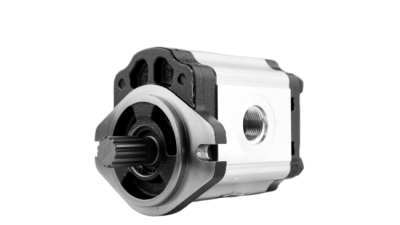
CBT4 Series Aluminium Body Gear Pumps: Reliable Performance for Demanding Hydraulic Systems

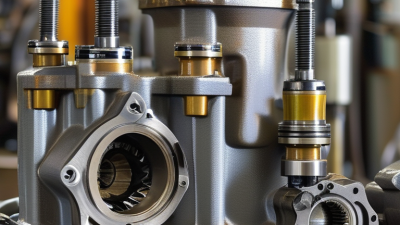
The CBT4 Series aluminium body gear pumps are designed for demanding hydraulic systems where dependable output, compact construction, and straightforward installation are essential. With a pressure grade of F: 20–25 MPa and nominal displacements from 10 to 32 mL/r, the series can support a wide range of flow requirements in mobile machinery, industrial equipment, and auxiliary hydraulic circuits. The aluminium body helps reduce overall weight while maintaining the practical durability required for continuous operation.

Configuration flexibility makes the CBT4 Series easier to integrate into different system layouts. Available mounting options include A: oval Ø82.55 and A1: oval Ø80, while connection choices include flange and screw ports. Shaft-end selections comprise a plain key, four-rectangle spline tooth, SAE spline, and involute spline, allowing users to match the pump with various drive arrangements. Both left-hand, or counterclockwise, and right-hand, or clockwise, rotation versions are available, supporting installation freedom and simplifying replacement planning.

Energy efficiency is increasingly important in hydraulic design. The U.S. Department of Energy has reported that hydraulic systems can experience substantial energy losses through throttling, leakage, and inefficient component selection. Selecting a pump with the correct displacement, pressure range, rotation, and shaft interface can help reduce unnecessary losses and improve system reliability. For demanding applications, the CBT4 Series offers a practical combination of stable gear-pump performance, adaptable interfaces, and lightweight aluminium construction.

FAQS

How does an industrial gear pump move oil?

Rotating gears create space near the inlet, drawing oil into the pump. The fluid travels around the gears’ outer edges. Meshing teeth then push it toward the outlet. Simple motion.

Does a gear pump control system pressure?

The pump supplies flow. System resistance helps determine pressure. Slow cylinders or noisy equipment may have several causes, so one pressure reading can mislead.

What can reduce gear pump performance?

Excessive heat, thin or contaminated oil, and worn clearances can lower performance. Scoring inside the housing matters, even if it looks small.

Which gear pump type suits high-pressure hydraulic circuits?

External gear pumps are commonly used in high-pressure oil and hydraulic circuits. They handle steady flow and frequent cycling, but abrasive particles can damage tight clearances.

When might an internal gear pump be a better choice?

Internal gear pumps often suit thick fluids, such as resins, polymers, and heated oils. Their gentler flow can reduce noise and shear. Cold fluid may still strain the motor.

What are helical and gerotor pumps suited for?

Helical gear pumps can reduce pulsation in quiet, continuous-duty systems. Gerotor designs may fit compact applications with moderate pressure. Neither is universal.

What should engineers check before choosing a pump?

Compare viscosity, pressure, speed, temperature, seal compatibility, and particle content. A larger pump is not always safer; it may increase heat, energy use, and wear.

How can operators maintain and test a gear pump?

Keep the inlet line clear, use suitable fluid, and check for foam or unusual noise. Record temperature and pressure under consistent conditions. Test with the actual fluid when possible; water may not tell the whole story. I might miss a small flaw during a rushed inspection.

Conclusion

Industrial gear pumps are positive-displacement machines designed to move oils, chemicals, fuels, polymers, and other viscous fluids through demanding processing systems. They operate by trapping fluid between rotating gear teeth and the housing, then carrying it from the inlet to the outlet at a steady flow rate. Their simple construction, consistent pressure delivery, and ability to handle challenging fluids make them valuable in manufacturing, energy, chemical processing, and material-handling operations.

A Durable Gear Pump should combine wear-resistant materials, precise clearances, strong shafts, effective sealing, and a design suited to the fluid’s temperature, viscosity, pressure, and contamination level. When comparing models, operators should consider flow capacity, pressure range, efficiency, speed, noise, compatibility, and service life. External, internal, and specialized gear pump configurations may each suit different industrial duties. Proper selection also requires checking system conditions, installing suitable filtration and protection, monitoring performance, and following a regular maintenance plan that includes lubrication, inspection, seal replacement, and alignment checks.

Sophia

Sophia

Sophia is a dedicated marketing professional at Wanye Hydraulics, a pioneering private enterprise established in 2009. With a profound understanding of hydraulic components and their applications, Sophia excels in her role, bringing expertise in gear pumps, gear motors, and power units. Her......
Previous Is a Spur Gear Pump Variable or Constant 7 Tips?