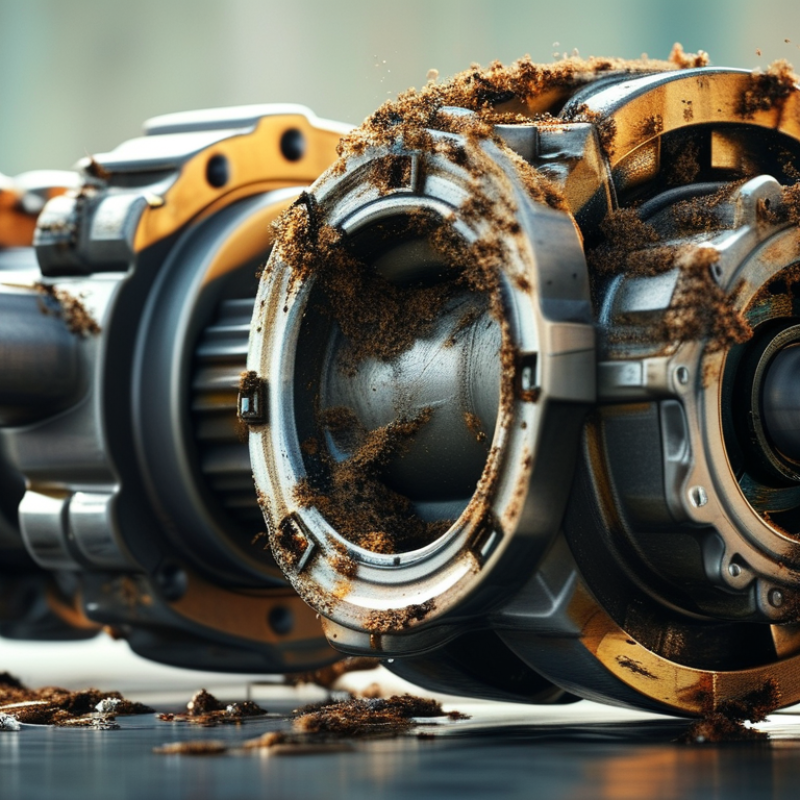
Keeping your gear oil pump clean is actually pretty important if you want it to keep running smoothly. This little guide, 'How To Clean A Gear Oil Pump,' is packed with practical tips to help you do just that. Doing regular maintenance isn’t just about keeping things ticking—it actually helps extend your equipment’s life and makes it more efficient. Trust me, it’s worth the effort!
A lot of folks don’t really think about how crucial it is to clean the External Gear Hydraulic Oil Pump. If you let it slide, neglect can cause performance drops or even costly repairs down the road. And honestly, a dirty pump can mess with the oil quality and how well the gears work. It might seem like a small task, but ignoring it could lead to bigger issues later on.
Cleaning your pump properly means taking it apart carefully and inspecting each part. Dirt and grime tend to build up pretty easily, so it’s really important to be thorough. Sometimes, people rush through it or skip steps, and that can cause more problems. Paying attention to the details here – well, that’s what saves you from headaches later. It’s a bit of a learning curve, but in the end, taking your time and doing it right really pays off. After all, reliability comes down to those little things we sometimes overlook.
Cleaning your gear oil pump is crucial for its longevity and efficiency. Over time, debris can accumulate, leading to reduced performance. According to a report from the National Lubricating Grease Institute, equipment failure due to unclean lubricants contributes to over 20% of costly downtime in industrial settings. Regular maintenance, including pump cleaning, can significantly reduce this risk.
Dirty oil pumps can lead to inefficient operations. The impurities can cause wear and tear on internal components. A study published in the Journal of Tribology highlights that contaminants can increase friction by up to 35%, resulting in higher energy consumption. Proper cleaning can extend the life of your hydraulic system. Additionally, it promotes smoother operation and reduces the chances of needing a Hydraulic Oil Pump Replacement sooner than expected.
Neglecting pump hygiene could lead to preventable failures. Observations indicate that maintenance teams often overlook this aspect. This oversight could cost companies in both repairs and production losses. Implementing a regular cleaning routine might seem tedious but guarantees the pump operates effectively and efficiently over time. Regular checks and proper cleaning can help prevent a costly breakdown while ensuring optimal performance in your machinery.
Cleaning your gear oil pump requires the right tools and supplies. Start with basic items such as a wrench, a screwdriver, and a soft cloth. These will help you disassemble and clean the pump effectively. You might also need a brush to remove any stubborn residue. Ensure you have a suitable container to catch excess oil during the cleaning process.
Don't forget safety gloves and goggles. Cleaning can be messy, and safety should always be a priority. It can be easy to overlook protective gear. Some might think it’s unnecessary, but accidents can happen. Consider using a cleaning solution designed for oil and grease. It can make your job easier, but make sure it’s safe for the pump materials.
After gathering your tools, assess the pump's condition. Look for any wear and tear that might need attention. Reflect on previous cleanings. Was your process effective? Did you miss any spots? Taking the time to prepare adequately can help you avoid mistakes. Each cleaning session is an opportunity to learn and improve.
Disassembling a gear oil pump can be straightforward if you follow a systematic approach. Start by collecting the necessary tools. You'll need wrenches, screwdrivers, and a clean workspace. Ensure everything is organized to avoid losing small components.
Begin by disconnecting the pump from any hydraulic lines. Carefully remove the mounting bolts and gently lift the pump. Take note of how parts fit together as you disassemble. This can help when reassembling later. If you encounter resistance, don't force it; reassess your disassembly technique.
Tips: Keep a magnetic tray nearby for small screws and bolts. This can save time and frustration. Document the disassembly process with photos, especially for complex parts. Consider cleaning each component with a solvent to remove old oil and debris. This will improve your pump's performance.
Remember to be mindful of the state of each part. Signs of wear can indicate when to replace components. If you're working with a Hydraulic Oil Pump 280 Bar, ensure all seals are intact. Regular maintenance helps to prolong the pump's life. Clarity during disassembly ensures a smoother reassembly process.
Cleaning your gear oil pump is vital for its longevity and performance. Each component requires specific techniques to ensure effective cleaning. Start with disassembling the pump carefully. Use clear bins to organize the parts. It prevents confusion during reassembly.
When cleaning components, pay attention to the oil reservoir and filter. Residual oil can accumulate dirt. Soak these parts in a suitable solution for better results. Use a soft brush to scrub away debris. Always rinse thoroughly with clean water afterward.
Tip: Regular cleaning can prevent costly repairs. Keep a maintenance schedule to avoid neglect.
For smaller parts, consider using an ultrasonic cleaner. It removes even the tiniest particles. Be cautious not to damage sensitive components. Inspect each piece for wear and tear.
Tip: Document your cleaning process for future reference. It builds experience and improves efficiency.
Remember, a detailed cleaning not only enhances pump efficiency but also extends its life. Thorough inspections and mindful practices lead to better overall performance.
Reassembling a gear oil pump requires attention to detail to ensure optimal performance. Start by laying out all the components in an organized manner. This helps you keep track of small parts. Inspect each part for wear and damage. Often, even minor wear can affect efficiency. Use a clean workspace to prevent contamination during reassembly.
When putting the pump back together, follow a systematic approach. Align the gears carefully to avoid misfits. It might be tempting to rush, but precision is key. You could face issues later if parts are not fitted correctly. Pay attention to seals and gaskets. They play a crucial role in maintaining pressure. In some cases, improper seal placements can lead to leaks and failures.
Finally, performing a test run after reassembly is essential. Observe for any unusual noises or leaks. These may indicate potential problems. Reassess your work if issues arise. Remember, a gear oil pump is critical for the longevity of your machinery. Take the time to do it right, and the results will justify your effort.
Regular maintenance of your gear oil pump is crucial for optimal performance. Keeping it clean not only extends the life of the
Hydraulic Oil Pump 10 Gpm
but also prevents future build-up. Start by checking the pump for any signs of leaks or
cracks. Small cracks can worsen over time, leading to significant issues. A routine visual inspection can save you trouble down the line.
Next, use a soft, lint-free cloth to wipe down the exterior. Pay special attention to seams and joints. Dirt and grime often accumulate here. It may appear trivial, but neglecting these areas could cause internal contamination. Additionally, periodically changing the oil will keep the system clean. Old oil contains particles that promote wear and can affect efficiency.
Finally, consider scheduling maintenance checks every few months. This helps in identifying issues before they escalate. If you're uncertain about any step, consult a manual or a professional. Reflecting on your cleaning process can reveal room for improvement. Are you thorough enough? Regular dedication to maintenance will ultimately lead to better performance and longevity for your hydraulic oil pump 10 Gpm.
When monitoring your gear oil pump, several signs indicate it may require cleaning. Increased noise during operation is a common symptom. This could suggest debris obstructing the pump's internal components. According to a 2022 report from the National Lubrication Grease Institute, 40% of gear pumps fail due to inadequate maintenance.
Another indicator is reduced flow rate. If your Bidirectional Hydraulic Oil Pump isn't delivering oil efficiently, dirt buildup may be the cause. A flow rate drop of just 10% can lead to significant operational delays and increased wear on machinery over time. The American Society of Mechanical Engineers emphasizes that regular inspections can prevent this kind of performance degradation.
Lastly, watch for oil leaks around the pump. These leaks are often a result of seals and gaskets being compromised by contaminants. Regular cleaning not only extends the life of the gear oil pump but also enhances overall system reliability. Neglecting these signs can lead to costly repairs and downtime, emphasizing the importance of proactive maintenance.
| Sign | Description | Recommended Action |
|---|---|---|
| Reduced Flow Rate | Noticeable decrease in oil flow from the pump. | Clean the filter and internal components of the pump. |
| Unusual Noise | Strange sounds or grinding coming from the pump during operation. | Inspect for debris and clean accordingly. |
| Oil Contamination | Presence of metal shavings or sludge in the oil. | Thoroughly clean the pump and replace contaminated oil. |
| Frequent Overheating | Pump overheats more often, affecting performance. | Clean cooling fins and check fluid levels. |
| Visible Wear | Signs of wear or corrosion on pump components. | Clean the parts and replace if excessively worn. |
: Cleaning is vital for longevity and efficiency. Debris can reduce performance and lead to equipment failure.
Ignoring pump hygiene may cause preventable failures and costly repairs. This oversight can disrupt production.
You’ll need a wrench, screwdriver, soft cloth, and possibly a brush. A container for excess oil is also essential.
Yes, safety gloves and goggles are necessary. Cleaning can be messy, and protecting yourself is crucial.
Organize components and inspect for wear. Proper alignment and placement of seals are critical for avoiding leaks.
Reflect on previous cleanings. Evaluate if there were any missed spots. Each session is a chance to improve.
Rushing may lead to misfitting parts, causing future issues. Precision is essential for optimal performance.
Keeping the pump clean reduces friction. This can decrease energy usage and improve the system’s efficiency.
Listen for unusual noises and check for leaks. These signs can indicate potential issues that need attention.
Cleaning your gear oil pump is essential for maintaining its efficiency and longevity. In the article "How To Clean A Gear Oil Pump," readers are guided through the various stages of cleaning this critical component. It begins with understanding the importance of cleanliness and provides a comprehensive list of tools and supplies required for the task. Following a detailed step-by-step guide, the article explains how to disassemble the pump, clean each component thoroughly, and reassemble it correctly, ensuring everything functions smoothly.
Additionally, best practices for regular maintenance are highlighted to help prevent future build-up, along with signs indicating when a gear oil pump requires cleaning. By following these guidelines, users can ensure their gear oil pumps remain in optimal condition, reducing the risk of malfunctions and enhancing performance over time.