When it comes to industrial machinery, getting a good grip on how a hydraulic gear pump works is pretty important if you want to keep things running smoothly and efficiently. I read somewhere that, according to MarketsandMarkets, the hydraulic equipment industry is estimated to hit around $75 billion by 2025—that’s a huge number! These pumps aren’t just a small part of the puzzle; they’re essential for tons of applications because they’re reliable and pretty precise. Plus, their compact design and ability to handle high pressure make them a popular choice across the board.
So, here’s the basics: hydraulic gear pumps work on a pretty straightforward idea—two gears meshing together to move hydraulic fluid around. But, like anything mechanical, they’re not perfect. Over time, wear and leaks can become a real pain. That’s why regular maintenance is super important, though sadly, lots of companies forget or overlook this part, which can lead to unexpected downtime—that’s a nightmare for operations. Big players like Parker Hannifin and Bosch Rexroth have stepped up with smarter design and tech to help prevent these issues.
Getting the hang of how these pumps work can really make a difference for how efficiently a business runs. For folks shopping around globally, investing in top-quality gear pumps from trustworthy suppliers who are into innovation is key. Balancing cost with performance is always a bit of a tricky dance, so it’s something you gotta keep thinking about when making those purchasing calls.
Understanding Hydraulic Gear Pump Basics
Hydraulic gear pumps are essential components in fluid power systems. They are designed to convert mechanical energy into hydraulic energy. This process occurs when gears within the pump rotate, drawing in hydraulic fluid. The fluid is then pressurized and expelled, enabling various applications in industries like construction and manufacturing.
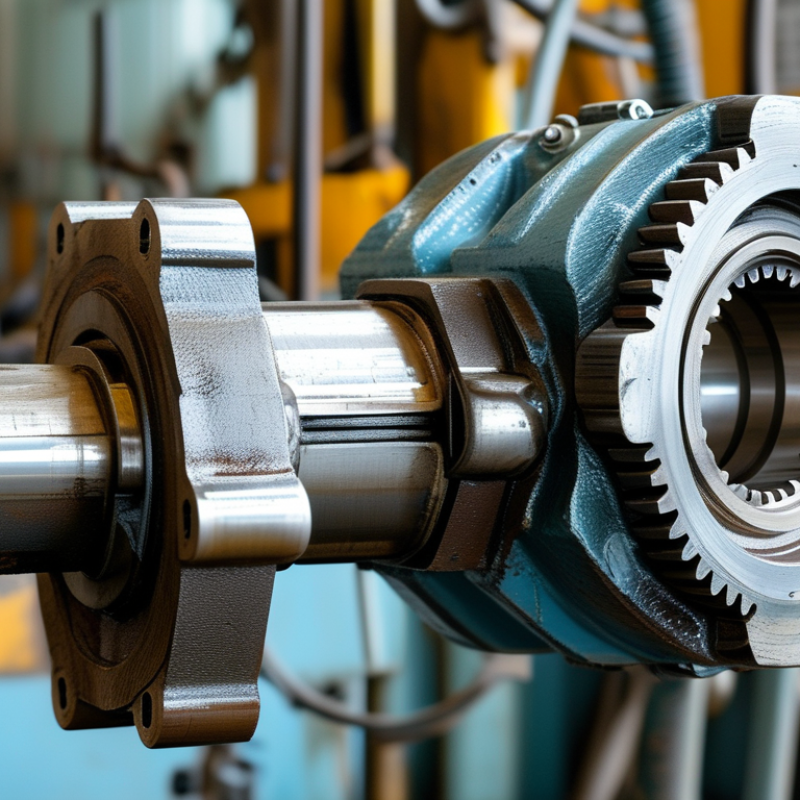
Understanding the functionality of gear pumps is critical. The basic design involves two meshing gears, often referred to as the drive gear and the driven gear. As the drive gear rotates, it pulls fluid into the pump, while the meshing action of the gears compresses the fluid. This action results in a continuous flow. It's crucial to maintain proper lubrication to prevent wear.
Tips: Regular inspections can help identify fluid leaks. Addressing leaks early can prevent system failures. Additionally, always use the recommended fluid type for optimal performance. Make sure to check the gear alignment periodically. Misalignment can lead to inefficient operation and increased wear.
While hydraulic gear pumps are reliable, they can have limitations. They are not designed for high-pressure applications. In such cases, other pump types may be required. Understanding these nuances allows for better system design and enhances overall efficiency.
Components of a Hydraulic Gear Pump Explained
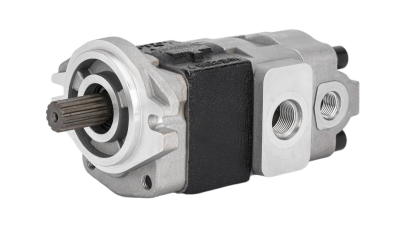
Understanding the components of a hydraulic gear pump is essential for global buyers. These pumps are pivotal in various industries, providing reliable hydraulic power. A typical hydraulic gear pump comprises several key parts: gears, housing, and shafts.
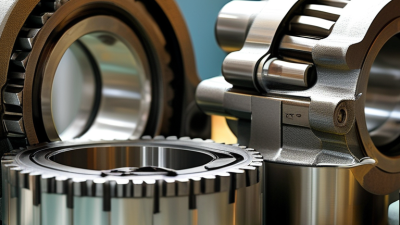
The gears, often made from high-grade steel, rotate within the pump's housing. This rotation creates a vacuum that draws hydraulic fluid into the pump. The space between the gear teeth and the housing is critical. It ensures efficient fluid movement while minimizing leakage, which can be detrimental. Reports suggest that even a small amount of leak points can reduce pump efficiency by over 20%.
Shafts, connecting the gears to an external power source, must withstand significant pressures. The quality of materials used here is vital. Manufacturers recommend specific tensile strengths to enhance performance. Improper specifications can lead to early failures, affecting overall system reliability. Notably, industry experts stress the need for regular maintenance checks to identify wear and address potential issues before they escalate.
How Hydraulic Gear Pumps Generate Pressure
Hydraulic gear pumps are crucial for generating pressure in hydraulic systems. They operate by the principle of positive displacement. The pump consists of two gears that rotate within a casing, creating a chamber that traps fluid. As the gears turn, they push the fluid through the outlet. This mechanism allows for a consistent flow of hydraulic oil, essential for various applications in industries like construction and manufacturing.
According to industry reports, hydraulic gear pumps can achieve pressures up to 5,000 psi. The design of Hydraulic Gear Pump Parts significantly impacts their efficiency and performance. The materials used in these components must withstand high pressure and provide durability. Research indicates that using advanced materials can improve pump longevity by 30%. However, poorly designed gears may lead to cavitation, a common issue that causes pump failure.
Operators should be aware that efficiency can vary among different types of pumps. A gear pump’s efficiency is typically above 90%, but it can drop due to wear and tear or improper maintenance. Regular inspections help identify potential issues, such as leaks or unusual sounds. Understanding the dynamics of hydraulic gear pumps will ensure reliable equipment performance and minimize downtime in operations.
The Operating Principle of Hydraulic Gear Pumps
Hydraulic gear pumps operate based on a simple yet effective principle. They consist of gears that turn within a closed chamber. As the gears rotate, they create a vacuum that draws hydraulic fluid into the chamber. This process generates pressure, pushing the fluid through the pump and into the hydraulic system. Such pumps are mainly used in machinery, automotive systems, and industrial applications due to their reliability and efficiency.
The design of hydraulic gear pumps is straightforward, which enhances their durability. A report by the Hydraulic Institute indicates that over 60% of industrial applications rely on gear pumps for fluid transfer. Yet, not all gear pumps maintain optimal efficiency. Wear and tear can lead to internal leakage and performance issues. Regular maintenance and monitoring are crucial to avoid these inefficiencies.
The Triple Hydraulic Gear Pump is a notable variant, featuring three gears to improve flow rates and reduce pulsation. This design is beneficial in high-demand environments. However, users must consider the potential for increased complexity in maintenance. Understanding these aspects can lead to better decision-making when integrating hydraulic gear pumps into various systems.
Applications of Hydraulic Gear Pumps in Various Industries
Hydraulic gear pumps play a crucial role in various industries, from manufacturing to agriculture. They efficiently convert mechanical energy into hydraulic energy. This process drives machinery and application systems that rely on hydraulic power. The compact design of a Small Hydraulic Gear Pump allows for versatility in tight spaces.
In construction, these pumps operate heavy equipment, ensuring the smooth movement of hydraulic cylinders. In automotive applications, they assist in power steering systems, providing precise control. Additionally, the agricultural sector utilizes these pumps for various tasks. They power irrigation systems and agricultural machinery, maximizing productivity and efficiency.
Tip: Regular maintenance of hydraulic gear pumps is essential. Small issues can lead to significant problems. Check for leaks and unusual noises that may indicate wear and tear.
Pumps also find use in the oil and gas industry, where they manage fluid transfer. This application requires highly reliable pumps. Retrofit projects often raise challenges, as older systems may not efficiently integrate with new technology. Consider potential compatibility issues when selecting pumps.
Tip: Always consult industry standards when choosing a hydraulic pump. Adhering to guidelines ensures safety and performance. Understanding the environment where the pump operates is vital for longevity.
Factors Influencing Hydraulic Gear Pump Performance
Hydraulic gear pumps are critical components in various hydraulic systems. Their performance can be significantly affected by several factors. Understanding these can help users optimize their equipment.
The viscosity of the hydraulic fluid is a key factor. Thicker fluids require greater power to pump, which can reduce efficiency. If the viscosity is too low, the pump might not generate sufficient pressure. Additionally, the temperature of the fluid impacts its viscosity. Proper temperature control is essential to maintain optimal performance.
Another factor is the design of the pump itself. Gear design, size, and materials can influence how efficiently the pump operates. For instance, poorly aligned gears can create excessive wear and tear. This can lead to premature failure. Choosing a Metallurgical Hydraulic Gear Pump with the right specifications can enhance durability. The quality of materials used also contributes to the pump's lifespan and performance. Thus, continuous monitoring and maintenance become necessary to ensure consistent operation.
How Does a Hydraulic Gear Pump Work for Global Buyers? - Factors Influencing Hydraulic Gear Pump Performance
| Pump Type |
Displacement (cc/rev) |
Max Pressure (bar) |
Efficiency (%) |
Applications |
| External Gear Pump |
20 |
200 |
90 |
Agricultural machinery |
| Internal Gear Pump |
15 |
180 |
85 |
Industrial automation |
| Gear Pump with Variable Displacement |
30 |
250 |
92 |
Construction equipment |
| Gear Pump with Fixed Displacement |
10 |
150 |
80 |
Mobile hydraulics |
Maintenance Tips for Ensuring Long-Lasting Gear Pumps
Hydraulic gear pumps are essential for various industries, providing efficient fluid power. To ensure their longevity, maintenance becomes crucial. Regular inspections can identify wear and tear early. Industry reports suggest that preventative maintenance can extend the lifespan of these pumps by up to 30%.
One effective maintenance tip is to monitor the pump's operating temperature. Excessive heat can lead to fluid breakdown, affecting performance. Ensure that the temperature remains within the manufacturer’s specified limits. Regularly check for leaks, too. A small leak can indicate significant underlying issues, and addressing it promptly can save costs later.
Routine fluid changes are essential. Over time, hydraulic fluids can degrade. Industry averages highlight that changing fluids every 1,500 operating hours can prevent potential problems. Always use the recommended fluid type to avoid chemical incompatibility. Implementing these practices can maximize the pump's efficiency and reliability. Ignoring maintenance can result in costly failures, so proactive care is vital for success.
Comprehensive Guide to Choosing the Right OEM CBHY Series Gear Oil Pump for Your Industrial Needs
When it comes to selecting the right OEM CBHY Series Gear Oil Pump for your industrial applications, understanding its specifications and capabilities is crucial. The CBHY series pumps offer impressive pressure grades, with options available for F: 20MPa and G: 25MPa. This high-pressure capability is essential for applications requiring robust performance and reliability under challenging conditions, making these pumps suitable for various industrial sectors, including manufacturing and oil processing.
The nominal displacement of the CBHY series is an impressive 36/3.5 mL/r, ensuring efficient fluid transfer to meet the demanding operational needs of industrial settings. This parameter indicates how much fluid the pump can move in a single rotation, a critical factor in ensuring consistent operations in systems that depend on precise fluid dynamics. Furthermore, the unique oval mounting configuration (Ø82) makes installation straightforward while maintaining stability during operation, which is vital in high-pressure environments.
The joining port designed as a "special" configuration allows for customizable connections, catering to specific industrial requirements. Additionally, the shaft end is configured with Ø13 SAE spline, which enhances compatibility and durability. With the option for both left (counterclockwise) and right (clockwise) rotation, users can choose the most suitable configuration for their specific applications, thus maximizing operational efficiency and performance. Proper selection and implementation of the CBHY Series Gear Oil Pump can significantly contribute to process optimization and sustainability in industrial operations.
FAQS
: They use positive displacement with two gears in a casing, trapping and pushing fluid through an outlet.
They can reach pressures up to 5,000 psi in various applications, depending on design.
The materials and design affect efficiency and durability. Poor parts can lead to failure.
Regular maintenance and inspections can extend lifespan by up to 30%, as reported by industry studies.
Operating temperatures should stay within manufacturer limits to prevent fluid breakdown and performance loss.
Small leaks may indicate larger issues. Early detection can save costs related to major repairs.
It's recommended to change fluids every 1,500 operating hours to prevent degradation and related problems.
Ignoring maintenance can lead to costly pump failures and decreased efficiency over time.
Yes, efficiency can drop below 90% due to wear and improper maintenance practices. Regular checks help.
Cavitation occurs with poorly designed gears and can lead to significant pump failure if not addressed.
Conclusion
The article "How Does a Hydraulic Gear Pump Work for Global Buyers?" provides a comprehensive overview of hydraulic gear pumps, essential components, and their operational principles. It begins by introducing the basics of hydraulic gear pumps, detailing how they generate pressure through the meshing of gears, which facilitates fluid movement. Key components are explained, including the casing, gears, and seals, all of which play a crucial role in pump efficiency.
Additionally, the article discusses the various applications of hydraulic gear pumps across different industries, highlighting their versatility. It also examines factors influencing performance, such as fluid viscosity and temperature. Finally, it offers maintenance tips to ensure the longevity and reliability of gear pumps. Overall, this informative piece helps readers understand how a hydraulic gear pump works and its significance in various hydraulic systems.



 coco
 mr-li