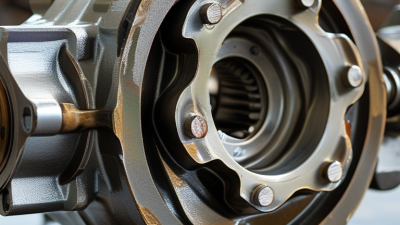
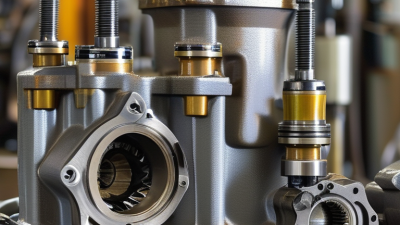
When you're trying to figure out the best way to transfer fluids, it’s really important to understand *when* to use an external gear pump. I mean, if you ask John Smith from FluidTech Solutions, he’d probably tell you, “Picking the right pump is key to keeping your system running smoothly.” These external gear pumps are pretty popular because they’re reliable and get the job done efficiently. But honestly, knowing exactly when to use them isn’t always obvious, especially for engineers who are still figuring things out.
Now, these pumps work really well with thick, viscous fluids and in tough conditions. But that doesn’t mean they’re perfect for every situation. You’ve gotta take a hard look at your system’s specific requirements — consider the type of fluid you’re dealing with, the temperature, the pressure, things like that. Sometimes, just tweaking a small part of your setup can make a big difference. One common mistake I see people make is ignoring these little details, which can lead to poor performance or even failure down the line.
In the end, manufacturers and engineers need to weigh the benefits and downsides carefully. Relying solely on what others have said or on hearsay can be risky; it’s better to evaluate your specific operational needs. Chatting with experts who really know their stuff can help clear things up. The goal is to find a solution that fits your actual goals and keeps everything running smoothly — no guesswork involved.
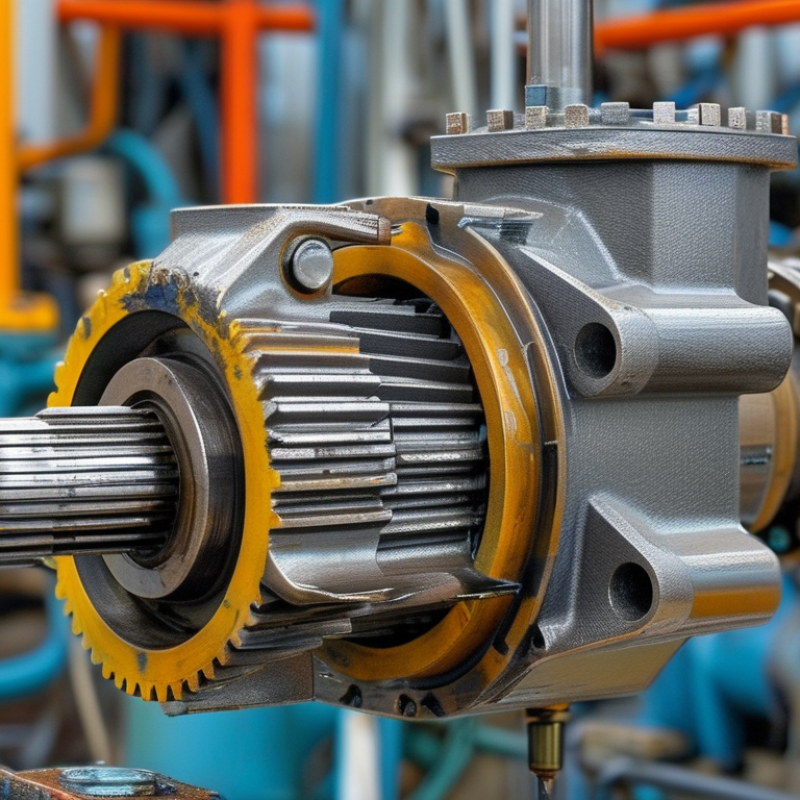
Understanding External Gear Pumps and Their Functionality
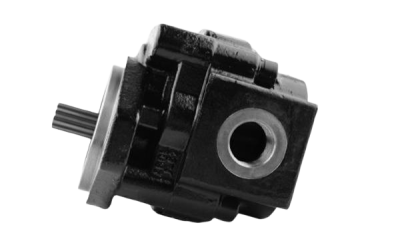
External gear pumps play a vital role in various applications. They are efficient, reliable, and capable of handling high-pressure fluids. The basic mechanism involves two interlocking gears that create a vacuum, drawing in fluid. This design is particularly effective for transferring oil, chemicals, and other fluids.
According to a recent industry report, external gear pumps can operate at pressures up to 3,000 PSI. This makes them suitable for high-pressure applications. These pumps excel in providing a steady flow, which is crucial in sectors like hydraulics and manufacturing. Their versatility also enables them to handle both high-viscosity and low-viscosity fluids.
However, not all situations call for an external gear pump. Issues like cavitation can occur if the pump is not properly sized for the application. Additionally, operating at extreme pressures can lead to wear and tear. Proper inspection and maintenance are essential to ensure optimal performance and longevity. Investing in training for technicians can also enhance operational efficiency, preventing costly mistakes. Understanding the specific needs of your application is crucial before selecting a High Pressure External Gear Pump.
Key Advantages of Using External Gear Pumps in Applications
External gear pumps are essential in various applications due to their unique advantages. These pumps deliver a reliable flow of fluid, making them a preferred choice in diverse industries. When properly designed and installed, external gear pumps can provide high efficiency and low maintenance.
One significant benefit of using external gear pumps is their ability to handle viscous fluids. This characteristic allows for effective pumping of various substances, from oil to thick adhesives. Their robust design contributes to their durability, which means fewer failures and repairs over time. Users often report lower operational costs attributed to these pumps.
However, it is crucial to consider the specific application requirements. Not all situations demand an external gear pump. In some cases, other pump types may work better or be more economical. Reflecting on these factors can guide operators in making informed decisions. Each application is unique, and understanding fluid characteristics is key to achieving optimal performance.
Identifying Applications Best Suited for External Gear Pumps
External gear pumps are widely used in various industries due to their unique advantages. They excel in applications that require consistent and reliable fluid transfer. Industries like oil and gas, chemical processing, and food production often rely on these pumps. Reports indicate that around 70% of lubrication systems in industrial machinery utilize external gear pumps.
These pumps are ideal for high-viscosity fluids. Their design allows for smooth, low-pulsation flow. This is critical in processes where product integrity is vital. For example, in the paint and coatings industry, achieving uniform viscosity is crucial. An External Triple Gear Pump can maintain this consistency effectively.
However, there are limitations to consider. External gear pumps may not be efficient for shear-sensitive fluids. Certain polymers or delicate emulsions could be damaged by the pump’s mechanical action. Additionally, the maintenance of these pumps can be complex. Regular checks are necessary to ensure optimal performance. Ignoring these aspects could lead to reduced efficiency or equipment failure.
When To Use External Gear Pump for Optimal Performance? - Identifying Applications Best Suited for External Gear Pumps
| Application |
Fluid Type |
Flow Rate (GPM) |
Pressure Range (PSI) |
Temperature Range (°F) |
| Hydraulic Systems |
Oil |
10-50 |
1500-3000 |
40-120 |
| Fuel Transfer |
Diesel |
5-30 |
500-1500 |
30-100 |
| Chemical Processing |
Acids |
10-60 |
1000-2500 |
50-200 |
| Food Industry |
Vegetable Oil |
15-40 |
100-2000 |
32-212 |
| Pharmaceuticals |
Thick Syrups |
8-25 |
200-2500 |
60-180 |
Factors to Consider for Optimal Performance with Gear Pumps
When considering optimal performance with external gear pumps, several factors require careful assessment. Key among them is viscosity. Each application has a different viscosity requirement. Data shows that optimal gear pump efficiency occurs within a specific viscosity range, typically from 20 to 1000 cP. Operating outside this range can lead to suboptimal performance and increased wear.
Another crucial factor is the flow rate. External gear pumps, like the
Small External Gear Pump,
have designated flow rates that should match the system demands. Mismatched flow rates can cause inefficient operation and energy loss. Research indicates that deviations of just 10% from the specified flow can lead to a 5-15% drop in performance.
Temperature also plays a vital role in pump operation. Extreme temperatures can alter fluid properties and consequently affect performance. Regular monitoring of temperature conditions is essential for all gear pumps. Ignoring this can cause unexpected failures or reduced service life. Understanding these factors allows for better selection and usage of gear pumps, ultimately enhancing efficiency and reliability.
Maintenance Tips for Ensuring Gear Pump Efficiency
Proper maintenance is crucial for ensuring the efficiency of external gear pumps. Regular checks can prevent costly repairs. Inspect the lubrication regularly. Poor lubrication can lead to increased wear and tear. Focus on the viscosity of the oil used. It should match the manufacturer's specifications. This can directly affect performance.
Another key aspect is to monitor the operating temperature. Overheating can damage internal components. Use temperature sensors to keep track. It's also wise to check for leaks. Even small leaks can lead to significant losses over time. Address them immediately to maintain system integrity.
Finally, consider the cleanliness of the pump. Contaminants can quickly degrade performance. Implement a routine cleaning schedule. This will help prevent failures and extend the pump's lifespan. Reflect on these maintenance habits regularly. An oversight can lead to inefficiencies, costing both time and money.
Common Issues and Troubleshooting for External Gear Pumps
External gear pumps are widely used in various applications due to their efficiency. However, they can face several common issues. A study from the Hydraulic Institute reveals that about 35% of failures in gear pumps stem from improper installation. Misalignment during installation can lead to reduced performance and increased wear. Ensure components are correctly aligned to mitigate this risk.
Another prevalent issue is cavitation, which can occur when fluid pressure drops too low. This results in vapor bubbles forming in the pump, which can cause severe damage. According to industry reports, about 20% of operational failures relate to cavitation. Monitoring fluid levels and pressures is essential in avoiding this problem.
Finally, contamination can significantly impact pump performance. Particles in the fluid can cause abrasion and lead to component fatigue. Research suggests that maintaining a cleanliness standard of ISO class 16/13 can prolong pump life. Regular maintenance and checks can help identify contamination issues early, promoting smoother operations and reducing costly downtimes.
Comparing External Gear Pumps with Other Pump Types
External gear pumps are popular in industrial applications due to their reliability and efficiency. They excel in transferring hydraulic fluids, particularly in systems requiring consistent flow and pressure. Compared to centrifugal pumps, external gear pumps handle higher viscosities better. This makes them ideal for thicker oils or liquid polymers.
Their construction allows for greater durability under high-pressure conditions. This isn't always the case with diaphragm or peristaltic pumps, which may struggle with thick fluids. Yet, External Gear Hydraulic Oil Pumps can suffer from wear if not properly maintained. Regular inspection is crucial to ensure optimal performance and prevent breakdowns.
Consider energy consumption and efficiency. External gear pumps are generally more energy-efficient for certain applications. However, they can generate heat, necessitating effective cooling systems. You might face unique challenges when integrating them into older systems. It's vital to assess compatibility with existing components to avoid operational issues. As a final note, always keep troubleshooting resources handy to address unforeseen problems.
Exploring the Efficiency and Versatility of CBQJ Series Cast Iron Body Gear Pumps for Industrial Applications
The CBQJ Series Cast Iron Body Gear Pumps are designed to meet the demands of various industrial applications, showcasing remarkable efficiency and versatility. With a pressure grade of F: 20-28 MPa, these pumps are engineered to handle high-pressure environments, making them ideal for tasks that require robust performance. Their nominal displacement range of 25-63 mL/r allows for customizable flow rates, catering to different operational requirements and enhancing overall system productivity.
The mounting configurations offered—oval Ø100 and oval Ø101.6—enable easy integration into existing systems, simplifying installation processes. The CBQJ gear pumps come with different joining port options, including screw and flange types, which provide flexibility depending on the specific application needs. Additionally, the shaft end options, such as plain key and rectangle spline, along with SAE spline compatibility, further add to the pumps' adaptability, ensuring they can efficiently serve a wide range of machinery and setups. The ability for left (counterclockwise) rotation streamlines their use in various orientations, making them a versatile component for any industrial operation.
FAQS
: External gear pumps are widely used in oil, gas, chemical processing, and food production industries.
Their design ensures smooth, low-pulsation flow, essential for maintaining product integrity in applications.
Using these pumps can damage delicate emulsions or polymers due to their mechanical action.
Regular checks are necessary to ensure optimal performance and prevent costly damage.
Efficiency typically occurs within a viscosity range of 20 to 1000 cP.
Mismatched flow rates can lead to inefficiencies and a drop in performance by 5-15%.
Extreme temperatures can alter fluid properties and cause unexpected failures if not monitored.
Proper lubrication reduces wear and tear; it should always meet the specified viscosity.
Regularly checking for and addressing leaks is crucial for maintaining system integrity.
Contaminants can degrade performance quickly, making cleanliness a key aspect of maintenance.
Conclusion
When To Use External Gear Pump" is a critical consideration for optimizing industrial applications. External gear pumps are known for their reliability and efficiency, making them suitable for transferring various fluids in different settings. Key advantages include precise fluid metering and the ability to handle high-viscosity fluids, which makes them ideal for applications in the automotive, chemical, and food industries.
To achieve optimal performance with gear pumps, factors such as fluid viscosity, temperature, and system pressure must be carefully considered. Regular maintenance is crucial for ensuring efficiency and longevity, while troubleshooting common issues can prevent downtime. By comparing external gear pumps with other pump types, users can better understand their unique strengths and make informed decisions about their application needs.



 coco
 mr-li