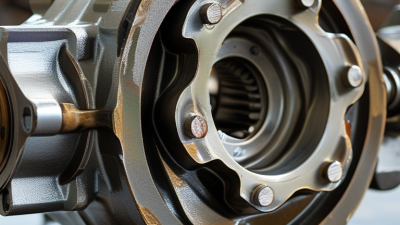
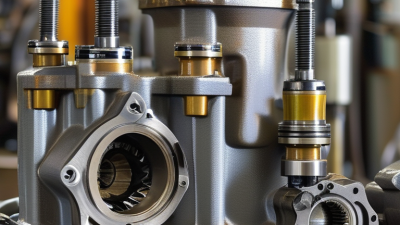
So, what exactly is a spur gear pump—and why is such a simple design still such a big deal in fluid power systems?
A spur gear pump basically uses two matched gears to move liquid through a sealed housing. One gear gets power from a motor or engine. The other one turns along with it, carrying fluid around the casing. When the gear teeth pull apart, they create a little vacuum at the inlet. When they mesh back together, they push the fluid out toward the outlet.
In real-world equipment, you'll often see this pump handling hydraulic oil, lubricants, fuel, and other compatible fluids with low-to-medium viscosity. Its compact size, steady flow, and easy maintenance make it handy for forklifts, ag machines, mobile hydraulics, lubrication units, and industrial power packs. Common versions include external spur gear pumps, internal gear variations, fixed-displacement models, and compact micro-pumps. Each one fits different pressure, speed, and flow needs. And not every pump works with every fluid—that part's easy to miss.
A solid selection process looks at displacement, operating pressure, rotational speed, temperature, seal material, and fluid cleanliness. Engineers also check Hydraulic Gear Pump Parts, like gears, shafts, bushings, seals, housings, and relief components. Even small wear marks can hurt volumetric efficiency and make more noise. Honestly, real service records often tell you more than a catalog spec sheet. Manufacturer data still matters, of course, but field conditions have a way of exposing weak spots. This guide takes a look at the leading spur gear pump types, their practical uses, operating limits, and maintenance considerations. Sometimes an application really needs a different pump. That judgment call matters.
What Is a Spur Gear Pump?
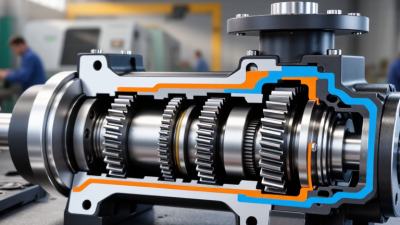
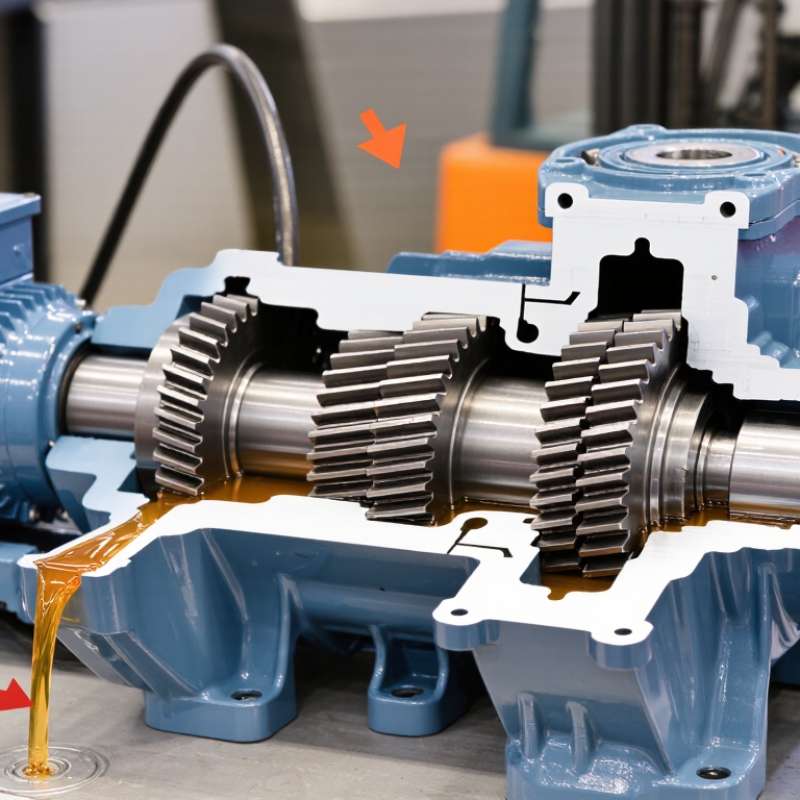
A spur gear pump is a positive-displacement pump that moves liquid with two matching, straight-toothed gears. One gear connects to a drive shaft, while the other turns beside it. As the teeth separate near the inlet, they create small spaces that draw liquid into the casing. The liquid travels around the outer housing, not between the meshing teeth. When the teeth meet again, they push the liquid toward the outlet.
Simple design. Reliable movement.
This pump commonly handles lubricating oil, hydraulic fluid, fuel, coatings, and other clean liquids. Its steady flow suits machinery lubrication, dosing equipment, and compact hydraulic systems. Flow depends mainly on gear size, speed, and liquid viscosity. A thicker liquid can improve sealing, but it also increases resistance and motor load. Engineers should check temperature, pressure, viscosity, and chemical compatibility before selecting a pump.
In practice, the textbook picture is incomplete. A spur gear pump can be noisy because the teeth engage suddenly. It may also wear quickly when the liquid contains particles or when the pump runs dry. A relief valve is usually necessary because a positive-displacement pump continues producing flow against rising resistance. Common options include different gear widths, clearances, materials, and drive speeds. These choices affect capacity and service life. I have found that a slightly oversized pump often performs poorly when control is ignored. Smaller, carefully matched units can be more predictable, though not always more efficient.
How Does a Spur Gear Pump Work?
A spur gear pump moves liquid through two matching gears inside a close-fitting housing. One gear connects to the drive shaft, while the second gear turns through meshing teeth. As the teeth separate at the inlet, they create expanding spaces. Atmospheric or tank pressure then pushes fluid into these cavities. The liquid travels around the outer housing, not between the gear teeth. At the outlet, the teeth mesh again and reduce the available volume, forcing fluid into the discharge line. Simple, but not forgiving.
A 2024 industry report estimated the global gear pump market at more than USD 2 billion, reflecting demand in lubrication, chemical processing, and mobile hydraulics. Actual performance depends on viscosity, speed, pressure, and internal clearance. A practical Aluminum Body Gear Pump may suit light hydraulic oil and compact machinery, but aluminum can be less suitable for severe pressure or abrasive fluids. Small clearances improve volumetric efficiency, yet contaminated oil quickly damages them. Filter condition matters more than many operators expect. Very much.
Manufacturers commonly rate spur gear pumps near 70–90% volumetric efficiency under suitable operating conditions, according to performance ranges discussed in hydraulic engineering literature. The figure changes with temperature and wear. A worn pump may still rotate, while its output quietly falls. That is the difficult part to diagnose. Technicians should compare measured flow against displacement and speed, then inspect noise, leakage, and oil temperature. ISO 4409 testing guidance supports controlled measurement of hydraulic pump performance, but field conditions rarely remain perfect. Temperature shifts, aeration, and installation errors can distort the result.
What Are the Main Types of Spur Gear Pumps?
Spur gear pumps are commonly divided into external and internal designs. The conventional external type uses two matching spur gears inside a close-fitting housing. One gear drives the other, trapping fluid between the teeth and casing. It suits hydraulic oil, lubrication circuits, and moderate-pressure transfer duties. Its construction is simple, compact, and relatively easy to inspect.
Internal gear pumps place a smaller gear inside a larger ring gear. Fluid moves through the expanding space near the inlet and exits where the teeth mesh again. Gerotor pumps belong to this family, although their geometry differs slightly. They often provide smoother flow and lower noise than basic external designs. Multi-section arrangements add separate pumping circuits, but they are configurations, not entirely different operating principles.
According to the U.S. Department of Energy’s Pumping Systems Tip Sheet, pumping systems may consume 25% to 50% of industrial electricity. Efficient pump selection matters. A 2024 hydraulic pumps market assessment valued the global market at roughly USD 11.4 billion in 2023, showing the sector’s continuing industrial importance. For a compact hydraulic unit, a Triple Hydraulic Gear Pump can combine multiple sections for steering, lifting, and auxiliary functions. Yet pressure, viscosity, speed, filtration, and leakage control must match the application. No selection is perfect. A small installation mistake, such as an undersized suction line, can create noisy operation and premature wear.
Which Materials and Features Define Their Design?
A spur gear pump is a positive-displacement pump that moves fluid through the meshing teeth of two gears. Its compact design suits lubrication, fuel transfer, hydraulic power, and chemical dosing. An External Gear Pump typically uses one driven gear and one idler gear inside a closely machined casing. Small clearances improve flow control, but they also demand clean fluids.
Material selection defines service life. Cast iron offers strength and economical operation for general oils. Stainless steel resists corrosion in wet or chemically demanding environments. Bronze can reduce sparking concerns in selected applications, while hardened steel gears tolerate abrasive loads better. Seal materials also matter. PTFE handles many chemicals, whereas elastomers must match temperature and fluid compatibility. A wrong seal can swell quickly.
The U.S. Department of Energy’s Improving Pumping System Performance sourcebook reports that pumping systems may represent about 25% of industrial energy use. That makes mechanical efficiency important, even for small pumps. Designers should examine tooth profile, shaft support, pressure rating, thermal expansion, and bypass protection. A relief valve is essential when discharge flow can become blocked. Keep it practical.
In field maintenance, I would check noise, casing temperature, and pressure fluctuation before replacing parts. Uneven wear often reveals contamination or poor alignment. This is where specifications can disappoint. A pump rated for high viscosity may still perform poorly at cold start-up. Flow data should therefore be verified under actual operating temperature, speed, and suction conditions.
Where Are Spur Gear Pumps Commonly Used?
Spur gear pumps are common in systems that need steady, measured fluid movement. Their simple construction uses two meshing gears inside a close-fitting housing. This design handles oils, lubricants, hydraulic fluids, and other clean, moderately viscous liquids. In workshops, they often supply oil to bearings, gearboxes, compressors, and machine tools. Their compact size also suits lubrication units with limited installation space.
Many factories use spur gear pumps for hydraulic power packs, fuel transfer, filtration equipment, and low-volume chemical circulation. A Circular Arc Gear Pump can support smoother engagement and reduced flow pulsation in suitable applications. However, performance depends on fluid viscosity, temperature, pressure, and cleanliness. Abrasive particles may wear the gear teeth and housing quickly. A pump may look suitable on paper, yet perform poorly after installation. That mistake is common.
Tips: Check the fluid data before choosing the pump. Confirm viscosity at operating temperature, not room temperature. Install a suction strainer when the fluid permits it. Avoid running the pump dry, even briefly. Listen for sharp rattling, which can indicate cavitation or air entry. Keep maintenance records with pressure, temperature, and vibration readings. These small details often reveal problems before a seal fails.
What Are Their Advantages and Limitations?
What Is a Spur Gear Pump? Top Types and Uses
A spur gear pump uses two straight-toothed gears to move liquid through a sealed housing. One gear receives power, while the other follows through tooth engagement. As the gears rotate, fluid fills the spaces between the teeth and housing. The liquid then travels toward the outlet under pressure. Common versions include external gear pumps, internal gear pumps, and compact motor-driven units. They often handle lubricating oil, hydraulic fluid, fuel, and other clean, moderately viscous liquids.
Their main advantage is mechanical simplicity. Fewer moving parts usually mean easier inspection, lower maintenance effort, and predictable operation. A compact pump can deliver steady flow in a small machine enclosure. Spur gears also tolerate many industrial working conditions when clearances and materials are selected correctly. In practical maintenance, technicians often value their straightforward troubleshooting. Noise can still be noticeable. That matters in laboratories, offices, and enclosed equipment.
Limitations deserve equal attention. A spur gear pump normally delivers a fixed volume per revolution, so flow control may require speed adjustment or a bypass system. It is also sensitive to abrasive particles, which can enlarge internal clearances and reduce efficiency. Dry running may damage the gears and housing quickly. High fluid viscosity can increase starting torque, while low viscosity may increase leakage. Poor inlet piping can create cavitation, causing vibration and surface damage. The simple design is not always the better design. Engineers must check pressure, temperature, viscosity, filtration, and chemical compatibility before selecting one.
What Is a Spur Gear Pump? Top Types, Uses, Advantages and Limitations
Spur gear pumps are positive-displacement pumps that move fluid by trapping it between rotating gear teeth and the pump casing. The chart shows typical continuous pressure ranges for common gear-pump configurations; actual limits vary with pump size, speed, fluid viscosity, temperature and materials.
External Spur Gear Pumps
Common in hydraulic power units, lubrication systems, fuel transfer and general fluid circulation. They are compact, robust and relatively economical.
Internal Gear Pumps
Often selected for viscous fluids, metering and process transfer. Their smooth flow and lower pulsation are useful for oils, polymers and chemical products.
Gerotor Pumps
Used in engine lubrication, compact hydraulic circuits and low-to-medium pressure applications. They offer simple construction and good low-speed performance.
Advantages: positive displacement, consistent flow, compact design, self-priming capability and suitability for many clean, lubricating fluids. Limitations: fixed displacement, sensitivity to abrasive contamination, pressure pulsation, possible noise and internal leakage when clearances increase through wear.
FAQS
It is a positive-displacement pump with two matching, straight-toothed gears. One gear drives the other. As the teeth separate, they draw liquid into the casing. The liquid moves around the housing and exits through the outlet. Simple design.
Gear teeth create small spaces near the inlet. These spaces fill with liquid. The rotating gears carry the liquid around the casing. When the teeth mesh again, they push liquid toward the outlet.
They commonly handle lubricating oil, hydraulic fluid, coatings, and other clean liquids. Suitable viscosity matters. Thick liquid may improve sealing, but it also increases motor load.
Cast iron provides strength for general oil service. Stainless steel resists corrosion in wet conditions. Bronze may suit selected applications. Hardened steel gears tolerate heavier wear. Material choice should match the fluid and pressure.
Seals must match the liquid and operating temperature. Some chemical-resistant materials tolerate demanding fluids. Other elastomers may swell quickly. A wrong seal can cause leakage and early failure. Compatibility deserves careful checking.
Gear size, gear width, rotation speed, clearance, viscosity, and pressure all affect flow. Actual results may differ from catalog values. Check performance at real temperature and suction conditions.
A positive-displacement pump keeps producing flow when resistance rises. A blocked outlet can create dangerous pressure. A relief valve provides a safer bypass path. Never assume the system already has enough protection.
Sudden tooth engagement can create noticeable noise. Particles may damage the gears and casing. Dry running can cause rapid wear. Cold, thick liquid may overload the motor during startup.
Check noise, casing temperature, pressure fluctuation, and leakage. Uneven wear may indicate contamination or poor alignment. Keep the liquid clean. I would not replace parts before checking the system conditions. That assumption often wastes time.
Conclusion
What Is A Spur Gear Pump? It is a positive-displacement pump that uses two or more rotating gears to move fluids steadily through an inlet and outlet. As the gears turn, their teeth create expanding spaces that draw fluid into the pump, carry it around the housing, and force it out under pressure. This simple mechanism supports consistent flow and reliable operation in many fluid-handling systems.
The main types include external and internal spur gear pumps, each suited to different flow, pressure, and space requirements. Their design may use materials such as steel, cast iron, stainless steel, or engineered alloys, depending on fluid properties, temperature, and corrosion resistance needs. Spur gear pumps are commonly used for lubricating oils, fuels, hydraulic fluids, chemicals, and other relatively clean, low- to medium-viscosity liquids. Their advantages include compact construction, easy maintenance, dependable metering, and smooth continuous flow. However, they may produce noise, experience wear when handling abrasive fluids, and perform poorly with solids or highly sensitive liquids.



 coco
 mr-li