When it comes to fluid dynamics, figuring out how to test a gear pump is pretty important. I mean, industry folks like John Smith from Fluid Dynamics Solutions often say that good testing is key to keeping gear pumps running smoothly and lasting longer. These pumps might seem small, but they’re crucial in all sorts of stuff — from cars to big industrial machines. If you don’t test them properly, you risk costly breakdowns, and honestly, no one wants that.
Testing a gear pump isn’t complicated, but it does involve different methods like checking pressure levels and flow rates. These tests can tell you a lot about how well the pump's doing and if there are any lurking issues. For example, if you notice pressure readings bouncing around, that could be a sign that something’s wearing out. Taking a close look at this kind of data helps catch problems early, way before they turn into big headaches.
That said, it’s surprising how many technicians just skip routine tests and end up dealing with unexpected failures. Getting a good handle on how to properly test and understand these pumps really makes a difference — it can save you money on maintenance and keep things running smoothly. Honestly, just asking yourself, “How’s our gear pump performing right now?” from time to time can lead to better practices and fewer surprises down the road.
Understanding Gear Pumps: Basic Principles and Functionality
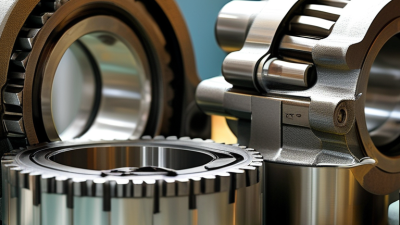
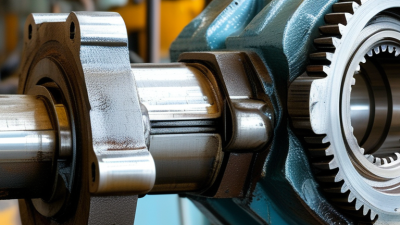
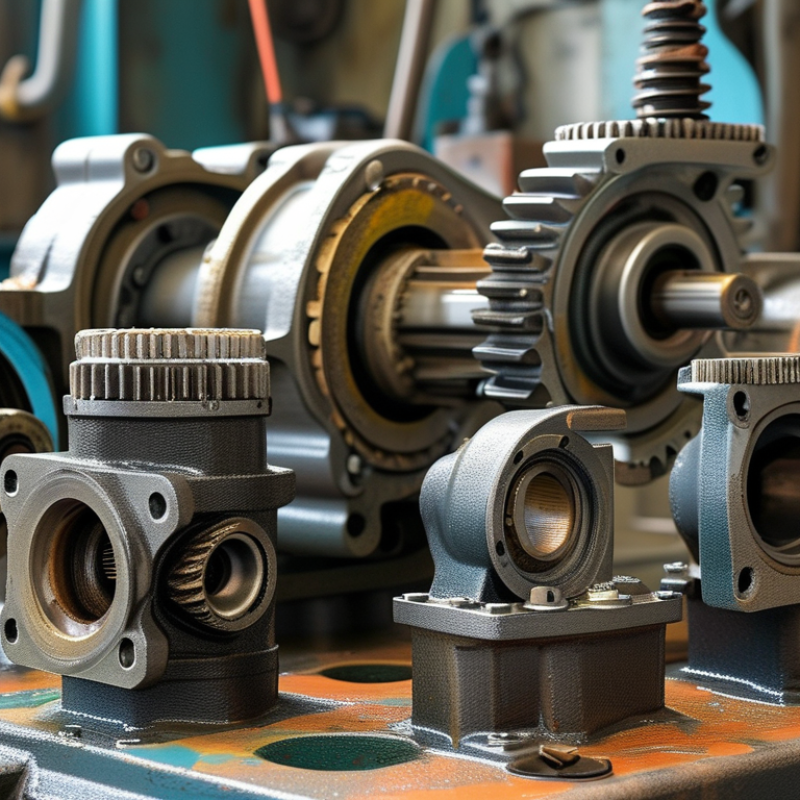
Gear pumps are essential in many industrial applications. They operate on simple principles. Essentially, they use two gears to create a flow of fluid. As the gears turn, they trap fluid in the spaces between them. This fluid is then pushed through the pump. Understanding this mechanism is key to operating and testing gear pumps effectively.
The functionality of a gear pump relies on precise gear alignment. If the gears are misaligned, performance decreases. Leakages may occur, leading to inefficiency. Users should regularly monitor the wear on the gears. Over time, even minor wear can drastically affect output. Regular inspections can help identify these issues early.
Testing gear pumps involves checking pressure and flow rates. These metrics provide insight into the pump's health. A drop in pressure may indicate a blockage or wear in the gears. Conversely, an unexpected increase in flow could signal a malfunction. Understanding these parameters helps maintain optimal performance. Awareness of common issues allows for better troubleshooting and repairs. Keeping notes on pump performance can be significantly beneficial over time.
Preparing for Gear Pump Testing: Essential Tools and Equipment
When preparing to test a gear pump, having the right tools is crucial. Begin with a reliable pressure gauge. This device measures the output pressure, helping to identify any performance issues. A flow meter is also essential. It measures the fluid flow rate, ensuring the pump operates within the desired range. For accuracy, calibrate these instruments regularly.
Next, consider using a suitable fluid for testing. The fluid should match the pump’s design specifications. Using the wrong fluid can lead to incorrect readings. Additionally, safety gear is vital. Always wear gloves and goggles to protect from potential spills or leaks. These measures seem basic, yet many overlook them, leading to unsafe environments.
Don't forget about the testing environment. A clean, organized space minimizes errors during testing. Poor conditions can lead to equipment damage or inaccurate results. After setting up, take your time with each measurement. Rushing can cause mistakes. Reflect on your process and adjust where necessary. Each test provides insights, but only if conducted carefully.
How To Test A Gear Pump Effectively For Best Results
| Tool/Equipment |
Purpose |
Specifications |
Remarks |
| Flow Meter |
Measure the flow rate |
0-100 L/min accuracy ±0.5% |
Required for evaluating pump performance |
| Pressure Gauge |
Check system pressure |
0-300 PSI |
Ensure gauge is calibrated |
| Temperature Probe |
Monitor fluid temperature |
-40°C to 150°C |
Check for overheating issues |
| Viscometer |
Measure fluid viscosity |
1-1000 cP |
Critical for performance assessment |
| Data Logger |
Record test data |
Up to 10,000 readings |
Useful for trend analysis |
Initial Inspection: Identifying Mechanical Issues Before Testing
Initial inspection is crucial for testing a gear pump effectively. Detecting mechanical issues before testing can save time and resources. Start by checking the pump's exterior for signs of wear. Look for cracks, rust, or loose fittings. These issues can indicate deeper problems that may affect performance.
Next, inspect the drive components. Ensure the motor is properly aligned. Misalignment can cause vibrations, leading to premature failure. Examine the coupling and bearings for wear. A worn bearing can create friction, impacting efficiency. Listen for unusual noises during operation; they often signal impending issues.
Check the seals carefully. Worn or damaged seals can lead to leaks. This not only reduces efficiency but also poses safety risks. Pay attention to the fluid levels and type. Incorrect fluids can damage the pump. A thorough visual inspection helps identify potential problems early. Reflect on your findings to inform your testing approach. Each inspection provides insight into the pump's readiness and reliability.
Executing Flow Rate Tests: Measuring Performance Accurately
Testing a gear pump effectively requires precise flow rate measurement.
Accurate performance evaluation directly impacts system efficiency.
Various factors can affect measurement accuracy, such as fluid viscosity and temperature;
both should be consistent during testing. Using calibrated equipment helps ensure reliable results.
It's essential to select the right testing method. A common approach involves a volumetric measurement.
Capture the output in a graduated container over a set duration.
Make sure the container is clean and dry. Repeat the test multiple times for consistent data.
Analyze the average to find the flow rate.
Recording environmental variables during tests can provide insight into performance.
Note how changes in pressure or temperature affect the flow.
These details may reveal patterns that improve your understanding of the pump’s behavior.
Reflecting on these results enables better pump selection or adjustment.
Monitoring conditions closely can also lead to discovering unexpected issues that might arise during operation.
Evaluating Pressure Performance: Assessing System Efficiency
Evaluating the pressure performance of a gear pump is critical for understanding its efficiency. Pressure readings reveal how well the pump operates under different conditions. It's essential to measure both inlet and outlet pressure for a complete picture. When pressures deviate from expected ranges, it may indicate wear, blockage, or improper operation.
Testing should be systematic. Start by establishing a baseline with optimal conditions. Gradually increase the load and observe the pressure changes. Document every reading meticulously. If the pump struggles to maintain pressure, issues like cavitation may arise. Even minor variances can lead to significant performance drops.
Reflecting on the results is equally important. Not every test will yield perfect conditions. Anomalies can arise that require troubleshooting. Examining the data helps in identifying patterns or persistent issues. This iterative process improves not only the pump's performance but contributes to overall system efficiency. The goal is clarity in understanding how pressure influences operational reliability.
Conducting Noise and Vibration Analysis: Detecting Operational Issues
Conducting noise and vibration analysis on gear pumps is essential for identifying potential operational issues. Regardless of the pump’s design or application, monitoring these parameters can reveal a lot about its health. For instance, an uptick in vibration levels often signals misalignment or internal wear. Regularly assessing these vibrations can help in pinpointing problems before they escalate.
Noise also tells a compelling story. Abnormal sounds usually indicate issues such as cavitation or excessive backlash. Using advanced sensors can help capture these critical audio signatures. While setting up the analysis, consider environmental factors that may affect readings. Ensure the equipment is well-calibrated to avoid misleading data.
However, interpreting results can be tricky. Different noise frequencies can overlap, making it hard to differentiate between normal and abnormal sounds. It's important to have a reference range based on historical data. When discrepancies arise, it’s crucial to investigate further. Performing root cause analysis helps in understanding the underlying issues better. It can be a learning curve, but consistent effort will lead to improved insights over time.
Gear Pump Noise and Vibration Analysis
This bar chart illustrates the levels of noise and vibration measured from a gear pump during operational testing. The data represents the decibel levels (dB) of noise and vibration amplitude (g) across different operational speeds, highlighting potential operational issues.
Interpreting Results: Analyzing Data for Optimal Performance
When testing a gear pump, analyzing data is crucial for optimizing performance. Proper data interpretation helps identify patterns and inconsistencies. For instance, consider pressure readings. If pressure fluctuates significantly during operation, this may indicate wear or damage. Documenting these fluctuations is vital. It allows for future comparisons and insights into performance variations.
Temperature is another essential factor. It affects viscosity and, consequently, the pump’s efficiency. Observing temperature trends can reveal when a pump is working harder than necessary. Further investigation is needed if temperatures exceed expected limits.
Remember, data collection should be systematic. Using consistent intervals for gathering data can unveil long-term trends. Often, operators overlook minor discrepancies. These small signs can lead to larger issues. Regular analysis not only confirms that the pump operates within accepted parameters but also reveals areas for potential improvement. Balancing performance metrics with the real-world application can lead to better reliability and efficiency over time.
FAQS
: Accurate flow rate measurement directly impacts system efficiency and performance evaluation.
Fluid viscosity and temperature significantly affect measurement accuracy during testing.
Choose a volumetric measurement method. Capture output in a clean, dry graduated container over a set duration.
Changes in pressure or temperature during tests can reveal patterns in pump behavior and performance.
A baseline helps assess pump performance under optimal conditions and tracks pressure changes under varying loads.
Deviations may indicate issues like wear or blockages, requiring further investigation or troubleshooting.
Temperature affects fluid viscosity; higher temperatures can indicate the pump is working harder than necessary.
Consistent data intervals help identify long-term trends and any overlooked discrepancies affecting pump performance.
Reflecting on test results helps identify patterns and persistent issues, leading to better pump performance and efficiency.
No, anomalies can occur, requiring troubleshooting and continuous examination to improve operational reliability.
Conclusion
In the article "How To Test A Gear Pump Effectively For Best Results," the author explores the essential steps for achieving optimal performance in gear pump testing. It begins by providing a foundational understanding of gear pumps, including their basic principles and functionality. The preparation phase highlights the necessary tools and equipment required for testing, ensuring that users are well-equipped for the process.
The article emphasizes the importance of conducting an initial inspection to identify any mechanical issues before proceeding with tests. Key testing procedures include executing flow rate tests for measuring performance and evaluating pressure performance to assess system efficiency. Additionally, conducting noise and vibration analysis is crucial for detecting operational issues. Finally, the article guides readers on how to interpret the results, ultimately allowing for improved analysis of data that contributes to the optimal performance of gear pumps.



 coco
 mr-li