Gear pumps are pretty essential in a whole bunch of industrial settings, helping move fluids reliably and generate pressure when needed. If you’re serious about getting the most out of your equipment, it’s a good idea to understand what gear pump efficiency really means. According to reports from groups like the Hydraulic Institute, how efficient a pump is can really affect both energy bills and overall operating costs. In fact, when you compare different pumps, the efficiency gaps can be as big as 30%, which just shows how important it is to pick and maintain the right one.
One pump that’s been catching some attention lately is the High Efficiency Arc Gear Pump. It’s known for its top-notch performance and recent studies suggest that opting for high-efficiency models can cut energy costs by up to 25%. Of course, to hit those kinds of numbers, you need to stay on top of your operating conditions and keep an eye on the details. Sometimes, manufacturers overlook those small tweaks that can really make a difference. Regular maintenance and choosing the right pump are key steps in getting the best performance out of your setup.
But let’s be real — perfect efficiency all the time isn’t really a thing. How and where you install the pump, plus how you use it in real-world situations, can introduce surprises. You’ve got to keep learning and adjusting as you go. It’s pretty common to find pumps that don’t quite meet their efficiency ratings once they’re in action. So, if you're aiming to maximize gear pump performance, it’s all about analyzing your data critically and staying responsive to feedback in real time.
Understanding Gear Pump Efficiency: Fundamental Concepts
Gear pumps are essential in various industrial applications. Their efficiency is influenced by various factors that impact performance and longevity. Understanding gear pump efficiency can enhance operation and reduce costs. Factors like viscosity, flow rates, and operating conditions play critical roles.
High Efficiency Internal Gear Pumps excel in applications where fluid dynamics are crucial. These pumps minimize leakage and maximize flow, which directly affects productivity. Regular maintenance is vital, as wear and tear can decrease efficiency over time. Operators should conduct routine checks for any anomalies, as they can lead to significant losses in output.
However, achieving optimal efficiency is not always straightforward. Sometimes, operators overlook the ideal operating range, leading to inefficiencies. Understanding the specific application needs can aid in selecting the right pump. Continuous learning and adaptation are necessary in this ever-evolving field.
Factors Influencing Gear Pump Efficiency
Gear pumps are vital in many industries, known for their ability to transfer fluids efficiently. However, several factors influence their efficiency. One primary factor is the viscosity of the fluid. Thicker fluids require more energy to pump, reducing overall efficiency. Additionally, proper lubrication is essential to minimize internal friction and wear. Inefficient lubrication leads to increased heat and energy loss.
Operating conditions also play a significant role. Temperature variations can affect fluid properties, impacting performance. A pump operating outside its optimal temperature range may experience decreased efficiency. Furthermore, the design of the pump, including tooth profiles and clearance, influences how well the pump handles different fluids.
Tips: Regular maintenance can enhance the performance of your gear pump. Check for leaks, wear, and ensure all components are functioning properly. Monitoring system parameters and being aware of fluid properties will help prevent inefficiencies. Using a High Efficiency Hydraulic Gear Pump can simplify many of these challenges and provide a more reliable solution. Reflecting on these factors can guide your choices and improve the longevity of your equipment.
Top 10 Gear Pump Efficiency Facts
This chart displays the efficiency factors affecting gear pumps, showing percentages for various parameters that influence pump performance. Understanding these factors can aid in optimizing gear pump selection and usage.
Calculating Gear Pump Efficiency: Key Formulas
Calculating the efficiency of a gear pump is essential for optimizing its performance. Efficiency is defined as the ratio of hydraulic power output to the motor power input. To calculate this, you can use the formula: Efficiency (%) = (Hydraulic Power / Motor Power) × 100. An average gear pump efficiency ranges from 85% to 95%, depending on the design and application. Some reports indicate that improper installation can lead to an efficiency drop of 10% to 15%.
When working with gear pumps, consider the fluid viscosity and temperature. These factors greatly influence efficiency. High-viscosity fluids require more energy to pump, reducing overall efficiency. Industry experts suggest regularly monitoring operating conditions to maintain optimal performance. Regular maintenance checks can prevent potential issues that may affect efficiency.
Another important aspect is the sizing of the pump. An improperly sized pump can lead to cavitation and noise, adversely impacting efficiency. It's crucial to gather precise measurements of flow rate and pressure before selection. Remember, even slight variations can lead to significant long-term effects on a pump's performance and reliability.
Common Misconceptions About Gear Pump Efficiency
When discussing gear pump efficiency, many misconceptions arise. One common belief is that all gear pumps operate at high efficiency. However, this is not always true. Factors such as design, materials, and application significantly influence performance. For instance, a High Efficiency Cast Iron Gear Pump can deliver excellent results, but its efficiency is largely contingent on proper setup and maintenance.
Another misleading notion is that more expensive gear pumps are inherently more efficient. Higher price tags often reflect advanced engineering and materials, yet this doesn't guarantee superior efficiency for every application. Sometimes, an affordable model may perform better in specific contexts. It's crucial to evaluate consistency in performance rather than relying solely on cost as an indicator of efficiency.
Lastly, many assume that temperature and viscosity only affect pump life but disregard their impact on efficiency. A high viscosity fluid can impede flow, reducing efficiency during operation. It's important to regularly assess these variables to ensure optimal performance. By addressing these misconceptions, users can make informed decisions regarding gear pumps. This understanding ultimately leads to better machinery performance and longevity.
Comparing Gear Pump Efficiency With Other Pump Types
When comparing gear pump efficiency with other pump types, several key factors come into play. Gear pumps are known for their ability to handle high viscosity fluids with precision. This makes them efficient in applications where consistent flow is crucial. Unlike centrifugal pumps, which rely on fluid velocity, gear pumps use positive displacement. This ensures a steady output regardless of pressure variations.
However, gear pumps have limitations. They can be less efficient at low flow rates compared to some other types. This is important to consider when selecting a pump for specific applications. For example, diaphragm pumps may outperform gear pumps in transferring delicate liquids due to their gentle handling.
Another factor is maintenance. Gear pumps require regular inspection to maintain their efficiency. Wear and tear can lead to performance degradation, which may not be as pronounced in other pumps. Understanding these nuances is vital when evaluating pump options for your needs. Balancing efficiency with application demands is essential for optimal performance.
Improving Gear Pump Efficiency: Best Practices
Improving gear pump efficiency is vital for any fluid handling system. One effective method is to maintain proper alignment. Misalignment can cause unnecessary wear and inefficient operation. It’s essential to regularly check the alignment during maintenance. Consider using precision measurement tools for accurate results.
Another critical aspect is the selection of the right viscosity for the fluid. Higher viscosity fluids can lead to increased drag and energy loss. Monitoring the temperature of the fluid is equally important. Ensure that it remains within the recommended range to reduce viscosity fluctuations.
Cleaning the pump regularly also plays a significant role in maintaining efficiency. Debris or buildup can obstruct flow and reduce performance. Implement a routine cleaning schedule based on your operational environment. Inspections should focus on wear patterns too. Notice any irregularities that may indicate deeper issues. Ultimately, improving gear pump efficiency requires consistent efforts and attention to detail.
Real-World Applications and Efficiency Challenges of Gear Pumps
Gear pumps are widely used in various industries for their reliable performance. However, understanding their efficiency in real-world applications is crucial. These pumps excel in transferring fluids, but not every situation maximizes their potential. The design and materials used can impact efficiency. Adapting to different viscosities introduces challenges, such as increased friction and wear.
In hydraulic systems, for instance, a High Efficiency External Gear Pump operates smoothly under ideal conditions. Yet, factors like temperature changes and fluid contamination can hinder performance. Maintaining optimal viscosity is essential, as it directly affects flow rates. Operators must regularly monitor the system to ensure it performs efficiently.
Additionally, installation plays a vital role in pump efficiency. Misalignment or improper mounting can lead to premature failure. Users need to pay attention to operational parameters. Even minor deviations can affect overall performance. Understanding these challenges can help organizations make informed decisions in selecting gear pumps.
Leveraging the Efficiency of Cast Iron Gear Pumps: Market Insights and Performance Analysis in Industrial Applications
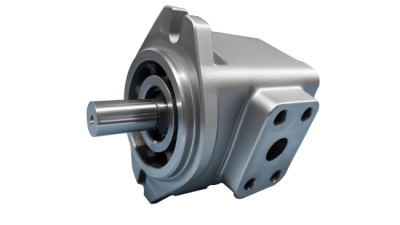
The utilization of cast iron gear pumps in industrial applications is a strategic move aimed at maximizing efficiency and reliability. With a pressure grade ranging from 25 to 35 MPa and a nominal displacement capability between 08 to 25 mL/r, these pumps provide a robust solution for various fluid transfer needs. The cast iron shell not only ensures durability but also enhances the operational lifespan of the gear pump, making it an ideal choice for demanding industrial environments.
Designed with a 90° inlet and outlet layout, these pumps facilitate seamless integration into existing systems, while the oval front cover form allows for easy maintenance and servicing. The joining port features a flange connection, which promotes stability and reliability during operation. The versatility of the shaft ends, available in both plain key and SAE spline formats, caters to different customization needs, accommodating left (counterclockwise) and right (clockwise) rotation options. This adaptability highlights the performance efficiency of cast iron gear pumps in meeting specific industrial requirements.
FAQS
: Not necessarily. Performance is influenced by design, materials, and application context.
Higher prices reflect engineering, but not every costly pump is more efficient for all situations.
High viscosity fluids can reduce flow and efficiency. Temperature also plays a critical role.
Friction, wear, and fluid contamination can hinder efficiency in real-world applications.
Very important. Misalignment or improper mounting can lead to reduced performance.
Yes, even minor deviations in parameters can significantly impact overall efficiency.
They excel in many applications but may not be effective in every situation.
Monitoring fluid viscosity and temperature is essential to maintain efficiency.
No, real-world performance can differ. It's essential to evaluate performance over specifications.
Yes, overlooking setup and maintenance can lead to inefficiencies and premature failures.
Conclusion
Understanding gear pump efficiency is crucial for optimizing performance in various applications. What is gear pump efficiency? It refers to the ratio of the pump’s hydraulic output to its mechanical input, highlighting how effectively the pump converts its input energy into fluid movement. Factors that influence this efficiency include design characteristics, fluid properties, and operational conditions. Calculating gear pump efficiency involves key formulas that account for variables like flow rate and pressure.
Misconceptions about gear pump efficiency often arise, particularly when comparing it to other pump types, such as centrifugal pumps. Understanding these differences helps in selecting the right pump for specific applications. To enhance gear pump efficiency, best practices such as proper maintenance and optimizing operating conditions are essential. Finally, real-world applications often present unique challenges in maintaining efficiency, making it important to regularly assess and adjust operational parameters for optimal performance.



 coco
 mr-li