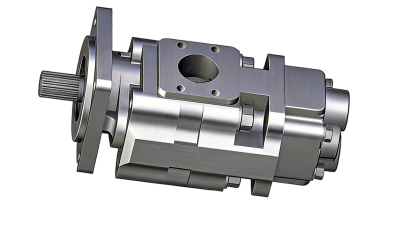
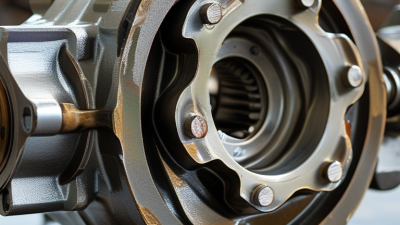
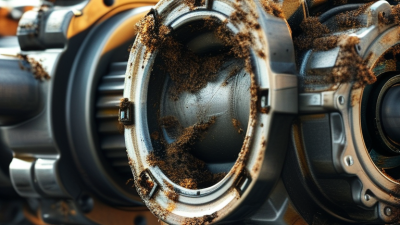
Talking about how hydraulic gear pumps perform when it comes to supplying oil—that's a pretty big deal for a lot of industries these days. As we get closer to 2026, one question keeps popping up: "Can a hydraulic gear pump burn out if it runs out of oil?" Honestly, it all depends on how these systems are set up and how well they’re maintained. I read a report from the Hydraulic Institute that says if you don't keep the right oil levels, you could be looking at serious damage—including system breakdowns that could keep everything offline for ages—and repair costs might end up being up to 30% of what you originally paid for the whole setup. That’s a huge chunk of change!
Experts like James L. Turner, who’s a hydraulic systems guru at Parker Hannifin, really stress how important this is. He mentioned something like, "Hydraulic systems basically need oil to run smoothly; without it, parts wear out way faster, and failures become imminent." It’s a good reminder that staying on top of routine checks and maintenance—especially monitoring oil levels—is super crucial.
On a more practical note, take an External Gear Hydraulic Oil Pump for example — it depends heavily on proper lubrication to perform well. If it doesn’t get enough oil, friction goes up, temperatures rise, and before you know it, the whole system’s at risk. So, companies really need to pay attention to these lubrication issues—they might seem small, but overlooking them can cost a fortune later down the road. Spotting these problems early and fixing them—not just saves money but also keeps things running smoothly in the long run.
Understanding Hydraulic Gear Pumps and Their Functionality
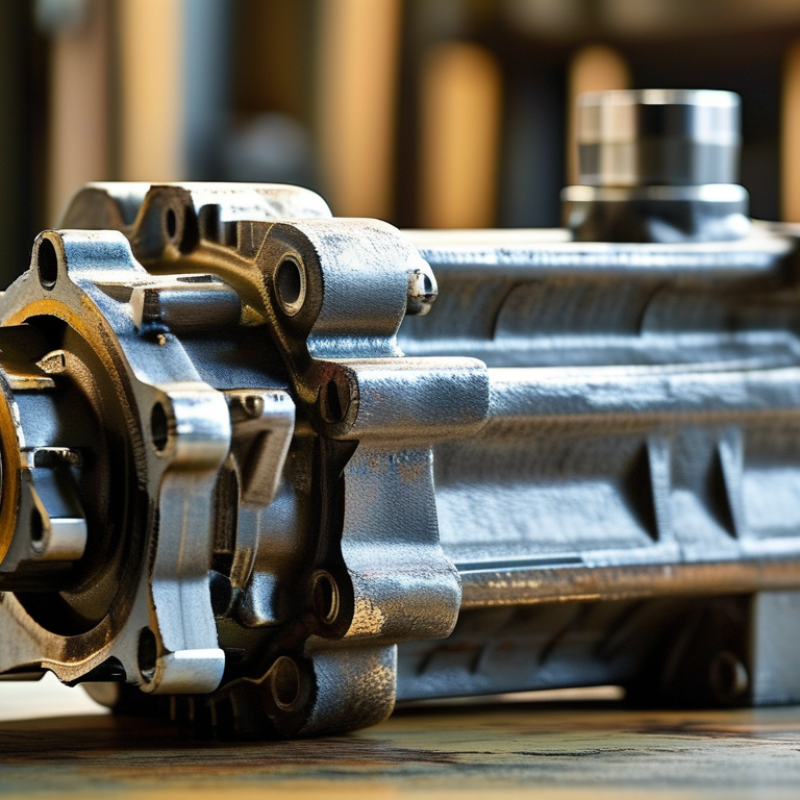
Hydraulic gear pumps play a vital role in various industries, relying heavily on oil for their optimal functionality. These pumps operate by using meshing gears to transfer hydraulic fluid, generating pressure essential for machinery. A report from the International Hydraulic Association indicates that inadequate lubrication can lead to severe wear and tear, affecting pump efficiency and lifespan.
Low oil levels may cause cavitation, where vapor bubbles form and implode. This phenomenon can damage essential components. As the demand for hydraulic systems grows, understanding the implications of oil deprivation becomes crucial.
Tips: Regularly monitor oil levels. Check for leaks that may reduce lubrication. Adequate oil is essential for performance and longevity. Neglecting oil maintenance can result in costly repairs. Stay informed about best practices within your industry to avoid easily preventable damage.
The Role of Oil in Hydraulic Systems: Importance and Benefits
Hydraulic systems rely heavily on oil to function effectively. Oil serves multiple purposes, including lubrication, heat transfer, and fluid power transmission. A report from the International Fluid Power Association highlights that around 80% of hydraulic system failures are linked to inadequate oil levels or contamination. This statistic underscores the critical role that proper lubrication plays in the longevity of hydraulic gear pumps.
The lack of oil can lead to severe damage. Without it, friction increases, resulting in overheating. Overheated components can warp or seize, causing irreversible damage. A study by the Society of Automotive Engineers suggests that systems operating without adequate lubrication can fail within hours. The devastating effects of insufficient oil extend beyond just one component. An entire hydraulic system can be compromised, leading to costly repairs and downtime.
Regular maintenance and monitoring of oil levels are essential practices. Users should conduct routine checks to ensure optimal performance. The American National Standards Institute recommends implementing a fluid maintenance schedule. This not only enhances system reliability but also minimizes the risks associated with low oil levels. Making informed choices about oil management is crucial for maintaining hydraulic gear pumps in top condition.
Potential Consequences of Oil Deprivation in 2026
The hydraulic gear pump relies heavily on oil for smooth operation. A lack of oil can lead to severe damage in 2026. Without proper lubrication, components may suffer from increased friction. This can cause overheating and accelerated wear and tear.
Effective oil levels ensure that the pump runs efficiently. When oil is deprived, cavitation may occur. This leads to pressure fluctuations that can create damaging shockwaves within the system. Operators must monitor oil levels consistently. Awareness of oil quality is equally critical. Contaminated oil can cause similar problems, sometimes far worse.
When facing potential oil deprivation, planning for Hydraulic Oil Pump Replacement becomes essential. Addressing issues proactively can save money and increase operational safety. Ignoring the signs of low oil can result in extensive downtime. Ultimately, maintaining proper oil levels is a shared responsibility among operators. Regular checks and maintenance keep the hydraulic gear pump functional and reliable.
Impact of Oil Deprivation on Hydraulic Gear Pumps in 2026
This chart illustrates the projected effects of insufficient oil levels on hydraulic gear pumps by 2026. The data indicates the potential increase in operational failures, maintenance costs, and downtime as oil levels decrease.
Signs of Damage in Hydraulic Gear Pumps Due to Oil Lack
Hydraulic gear pumps rely heavily on hydraulic oil for their operation. Without adequate oil, these pumps can suffer severe damage. A lack of lubrication leads to increased friction. This friction generates heat, which can warp internal components. Over time, gears may wear down unevenly, causing inefficiencies.
Signs of damage often manifest early. Users may notice unusual noises during operation. These sounds indicate that the gears are grinding against one another. Additionally, a drop in pressure levels is a clear warning sign. For instance, a Hydraulic Oil Pump 280 Bar might struggle to maintain optimal pressure. If this happens, immediate inspection is critical.
Monitoring fluid levels is essential for preventive maintenance. Regular checks can avert extensive damage. However, simply relying on visual inspections is not enough. Technicians should also consider fluid quality. Contaminated oil can exacerbate wear and tear. Developing a robust maintenance schedule can ensure the longevity of hydraulic systems.
Preventative Measures to Protect Gear Pumps from Oil Shortages
In 2026, concerns about oil shortages could pose a serious risk to hydraulic gear pumps. These pumps rely heavily on oil for lubrication and cooling. When oil levels drop, the risk of overheating and wear increases. Studies show that a lack of adequate lubrication can reduce pump life by up to 40%. This statistic highlights the urgency of proactive measures.
Preventative maintenance protocols will be crucial. Operators should regularly check the hydraulic oil levels and monitor oil quality. Oil contamination can also lead to catastrophic failures. Implementing life cycle assessments, as per industry guidelines from hydraulic system experts, can further reduce the risk of damage.
Using alternative fluids, like biodegradable oils, could provide a temporary solution. Additionally, upgrading to
Hydraulic Oil Pump 10 Gpm can enhance efficiency and mitigate wear. Yet, the cost of such changes may be daunting for smaller operations. As the industry faces fluctuating oil supplies, these considerations will be essential for long-term viability. Hydraulics demand vigilance amid uncertainty.
Future Trends in Hydraulic Systems and Oil Usage
The future of hydraulic systems hinges on oil usage. As industries seek to improve efficiency, the dependence on traditional oils may decrease. Innovative synthetic alternatives are emerging. They promise better lubrication and longer life for hydraulic gear pumps. However, the transition won't be seamless.
The lack of oil can lead to serious concerns. A hydraulic gear pump without sufficient lubrication risks overheating and mechanical failure. Inadequate oil can cause increased friction, leading to premature wear. Industry experts highlight the need for reliable alternatives. Yet, questions about compatibility arise. As new fluids enter the market, testing is crucial.
The exploration of sustainable resources should not hide the potential pitfalls. Some bio-based fluids may not perform under extreme conditions. Additionally, not all hydraulic systems can adapt to new oils easily. This creates a barrier for industries entrenched in conventional practices.
Embracing change will require a careful assessment of risks and benefits.
Alternative Solutions for Hydraulic Pump Lubrication Challenges
The challenges associated with hydraulic pump lubrication are becoming increasingly critical. As the demand for oil fluctuates, finding alternatives is essential. One effective method is using biodegradable lubricants. These options can reduce environmental impact while ensuring adequate performance in hydraulic systems.
Another solution involves synthetic oils. These oils offer better stability under various temperatures and pressures. They help maintain pump efficiency and longevity. However, not all synthetic oils are compatible with every system. Testing is vital to avoid damage.
Bidirectional Hydraulic Oil Pumps may require specific lubricants to function optimally. Each pump type has its own needs. Therefore, consulting with experts is crucial. Understanding the characteristics of alternative lubricants is necessary for reliable pump operation. Careful selection can prevent failures and extend the life of hydraulic systems.
Balancing performance with sustainability remains a significant challenge in this evolving landscape.
Essential Guide to Choosing the Right OEM CBGJT Series Gear Oil Pump Supplier for Your Needs
When selecting an OEM CBGJT Series gear oil pump supplier, it’s crucial to understand the specific technical specifications that align with your operational requirements. The pressure grades offered, such as F: 20MPa and G: 25MPa, are indicative of the robust nature of these pumps, making them suitable for demanding applications where high pressure is essential. The nominal displacement options of 80/10 and 100/25 (mL/r) provide flexibility, allowing for tailored performance based on your unique flow needs.
Mounting configuration is another pivotal criterion. The square mounting design with a diameter of 127mm ensures compatibility with various systems, while the flange joining port (F5) facilitates secure connections, minimizing the risk of leaks. The shaft end featuring a SAE spline contributes to ease of installation and maintenance, as it is designed for effective torque transfer without compromising on reliability.
Additionally, the rotation options—left (counterclockwise) and right (clockwise)—enhance adaptability to various engine configurations and installation preferences. According to industry surveys, choosing a supplier that understands these parameters can significantly influence the operational efficiency and longevity of gear oil pumps, underpinning the importance of careful supplier selection in the industrial landscape.
FAQS
: Oil provides necessary lubrication and prevents increased friction, keeping the pump operating smoothly.
Low oil levels can cause overheating, increased wear, and potential severe damage to internal components.
Unusual noises during operation and a drop in pressure are common signs of potential damage.
Contaminated oil can create problems, worsening wear and reducing overall efficiency of the hydraulic system.
Regular checks are necessary. Consistent monitoring helps prevent extensive damage and downtime.
Immediate inspection of the pump is critical to prevent further damage or system failures.
No, visual checks should be combined with assessments of oil quality to ensure full system health.
Proactive planning can save money and improve safety, reducing the risk of unexpected downtime.
Developing a robust maintenance schedule for regular checks and fluid quality assessments is essential.
Ignoring oil levels can lead to costly repairs and potential safety hazards within hydraulic systems.
Conclusion
The article examines the critical role of oil in hydraulic gear pumps and the potential implications of oil shortages projected for 2026. It highlights how essential oil is for maintaining functionality, lubrication, and cooling within hydraulic systems. A lack of oil can lead to severe damage, raising the question: "Will lack of oil burn up a hydraulic gear pump?" The discussion emphasizes the signs of damage that may arise from insufficient oil, including increased wear and overheating.
Furthermore, the article outlines preventative measures to safeguard hydraulic gear pumps from oil shortages and explores future trends in hydraulic systems, including alternative solutions for lubrication challenges. By understanding the consequences of oil deprivation and adopting proactive strategies, industries can better prepare for the upcoming challenges in hydraulic system maintenance.



 coco
 mr-li