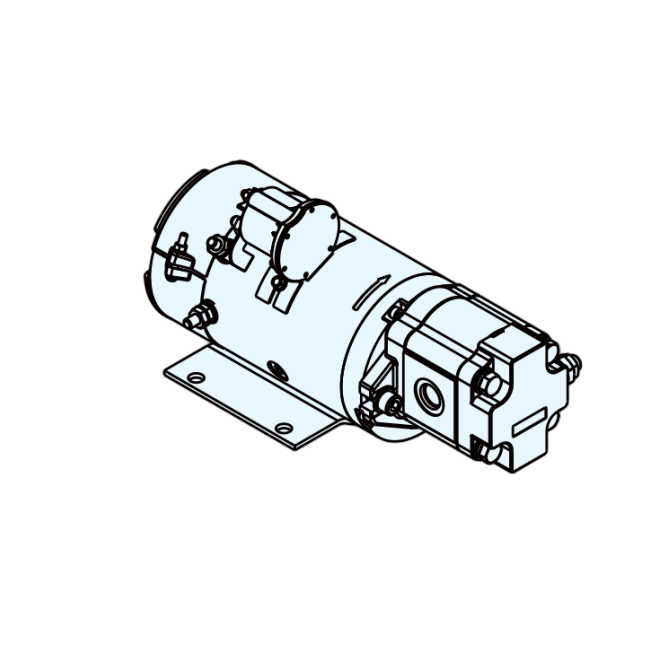
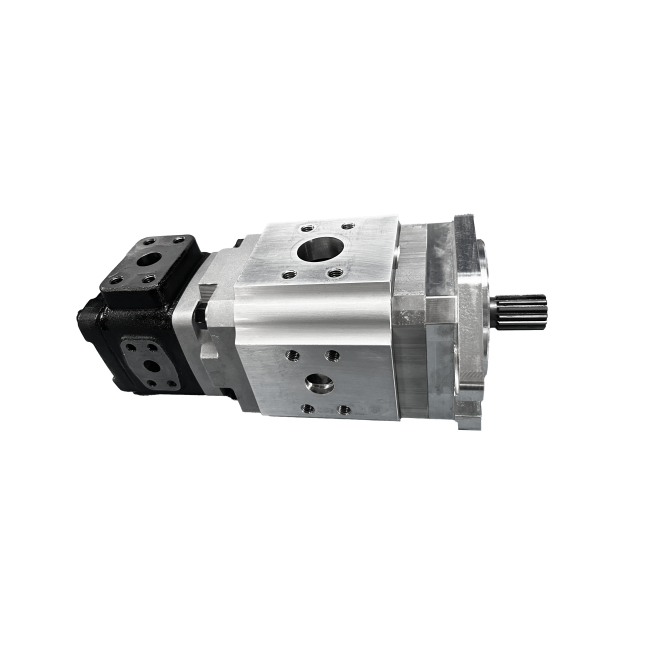
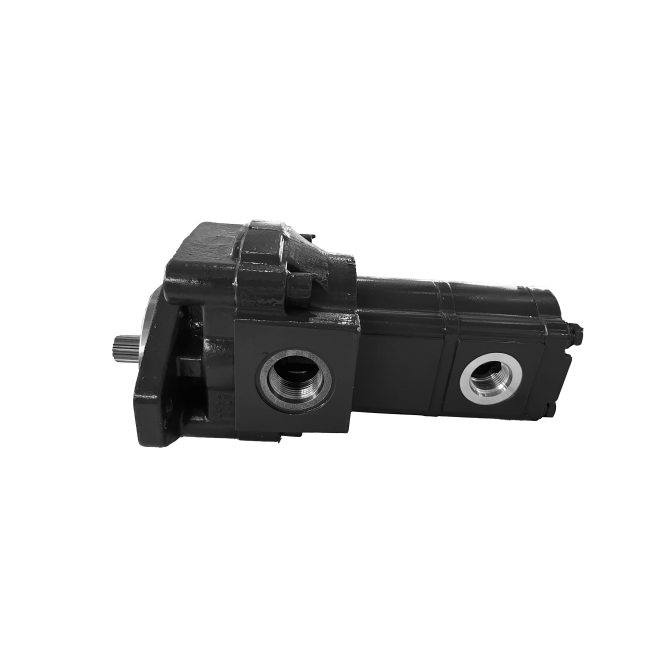
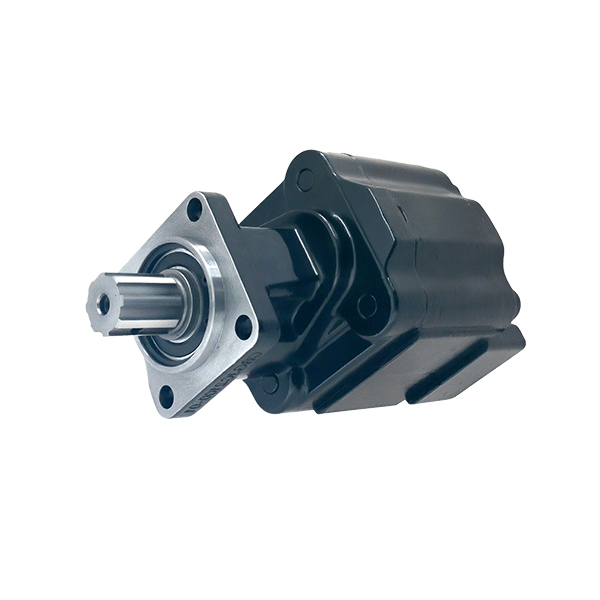
Modern agriculture is undergoing a massive transformation, shifting from basic mechanical labor to highly automated, smart precision farming. At the core of this industrial revolution is the hydraulic power system. Tractors, combine harvesters, seeders, and sprayers rely heavily on robust hydraulic power to actuate mechanical linkages, control steering, operate front-end loaders, and drive precision implements. The high pressure hydraulic gear pump serves as the heart of these systems, converting mechanical energy from the tractor engine into fluid power with high volumetric efficiency.
As modern implements grow larger and demand faster cycle times, traditional low-pressure hydraulic systems are no longer sufficient. Today's agricultural machinery requires pressures exceeding 250 bar (3625 PSI) to minimize actuator size, reduce overall vehicle weight, and maximize fuel efficiency. High pressure gear pumps, manufactured from high-strength aluminum alloys or cast iron, have become the standard choice for global OEMs.
The global market for agricultural machinery is experiencing sustained growth, driven by the pressing need to increase crop yields, offset agricultural labor shortages, and adapt to climate change. Governments worldwide are introducing stricter emission standards (such as EU Stage V and US Tier 4 Final), forcing tractor OEMs to optimize every component for energy efficiency. High pressure hydraulic gear pumps are critical in this optimization cycle. By operating at higher pressures, these pumps enable the design of smaller, lighter hydraulic lines and cylinders, directly contributing to overall vehicle weight reduction and lower fuel consumption.
Furthermore, the integration of electro-hydraulic systems in tractors requires pumps that can deliver consistent pressure and flow across a wide range of engine speeds. This has led to a major shift in pump design, emphasizing low-speed volumetric efficiency and compatibility with electronic control units (ECUs). In the commercial sector, reliability is paramount. A hydraulic failure during the peak harvest season can cost farmers thousands of dollars per hour in downtime. Consequently, there is an increasing demand for highly durable gear pumps that feature advanced sealing technologies and wear-resistant coatings to withstand contaminated fluid environments.
When selecting a high pressure hydraulic gear pump for agricultural tractors, engineers must choose between aluminum body and cast iron body designs. Each material offers distinct advantages depending on the specific application scenario:
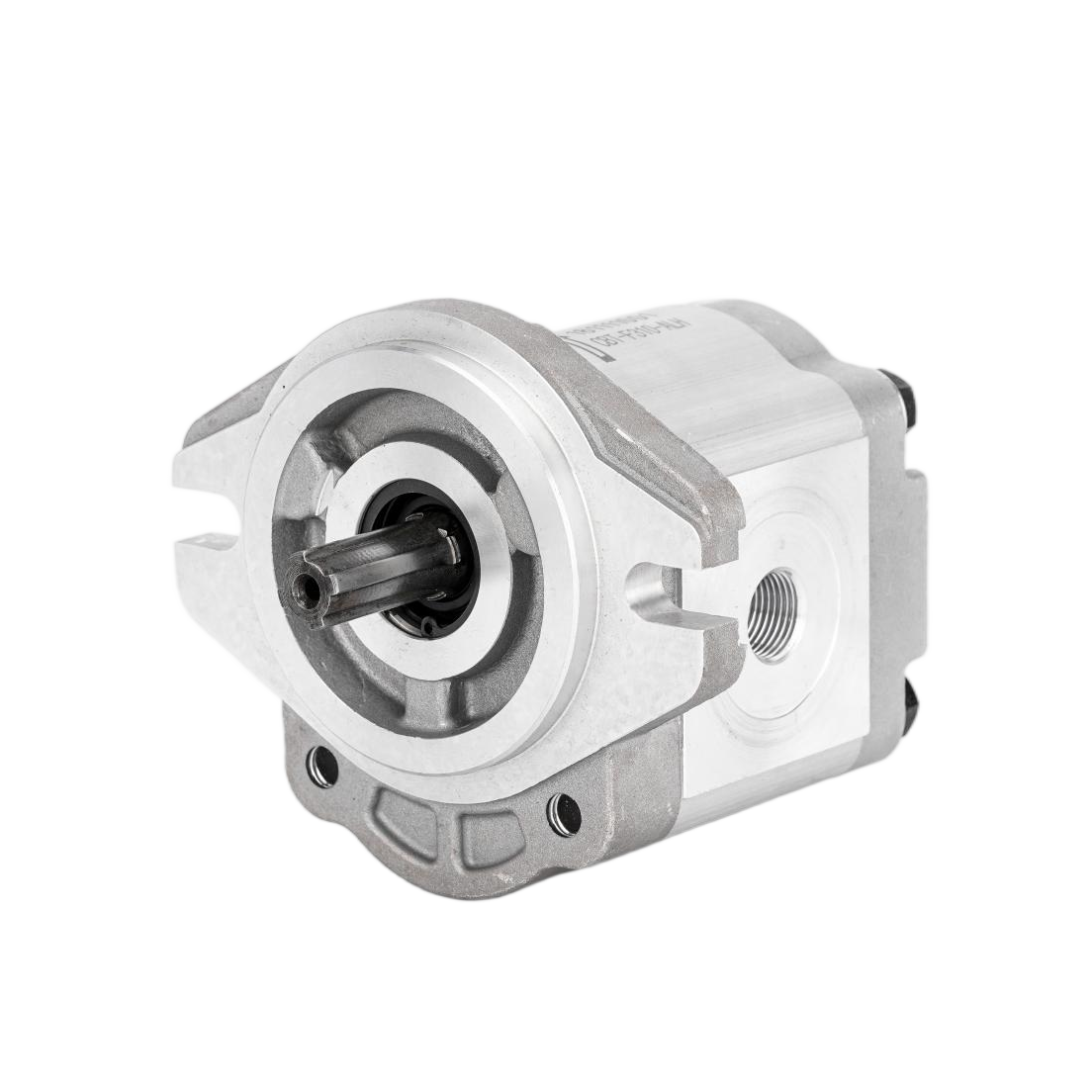
Aluminium body gear pumps are highly favored in applications where weight reduction, compact size, and cost-effectiveness are primary design criteria. Modern aluminum pumps utilize high-strength extruded aluminum alloys that can safely handle pressures up to 250 bar. The main benefits include:
Thermal Dissipation: Aluminium has excellent thermal conductivity, helping to dissipate heat away from the hydraulic oil, which prevents premature fluid degradation and seal wear. Weight Efficiency: By reducing the weight of the hydraulic unit, tractor manufacturers can improve the overall power-to-weight ratio of the utility vehicle. Precision Tolerances: Modern machining allows for extremely tight clearances between the gear teeth and the pump body, minimizing internal slippage and maintaining high volumetric efficiency.
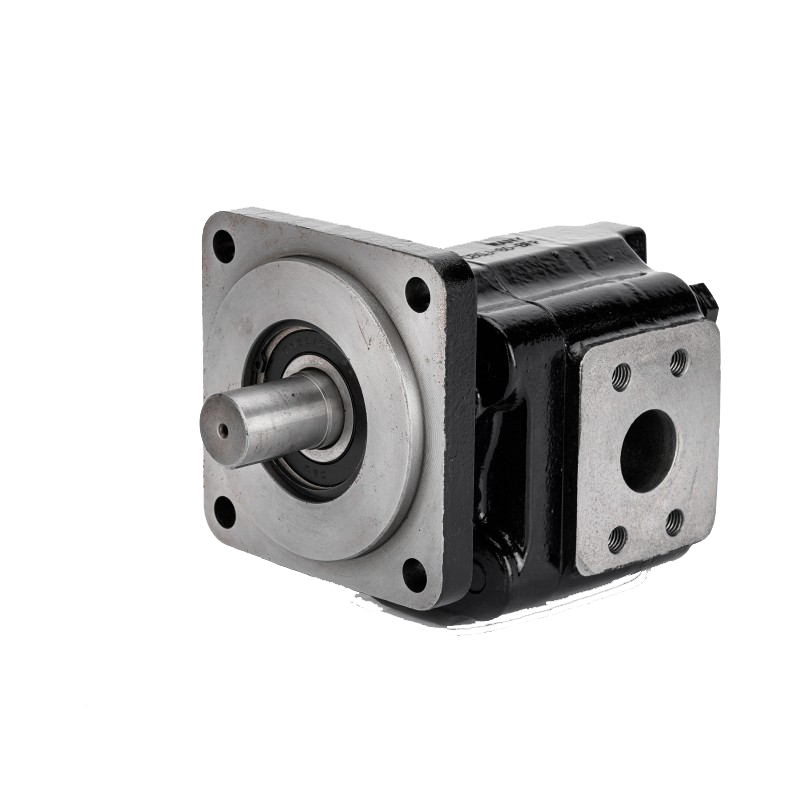
For extreme-duty agricultural applications, such as large-scale combine harvesters, forestry tractors, and crossover construction equipment, cast iron body pumps are the industry standard. The mechanical properties of cast iron provide unmatched durability:
Fatigue Resistance: Cast iron can withstand continuous high-frequency pressure spikes (shock loads) without experiencing structural fatigue or body deformation. Contamination Tolerance: Agricultural environments are inherently dusty. Abrasive particles that slip past hydraulic filters can cause rapid wear in aluminum pumps, whereas cast iron structures offer significantly higher resistance to abrasive wear. Noise Damping: The dense structure of cast iron naturally dampens mechanical vibrations and fluid pulsations, resulting in quieter pump operation, which is highly beneficial for meeting operator cabin noise regulations.
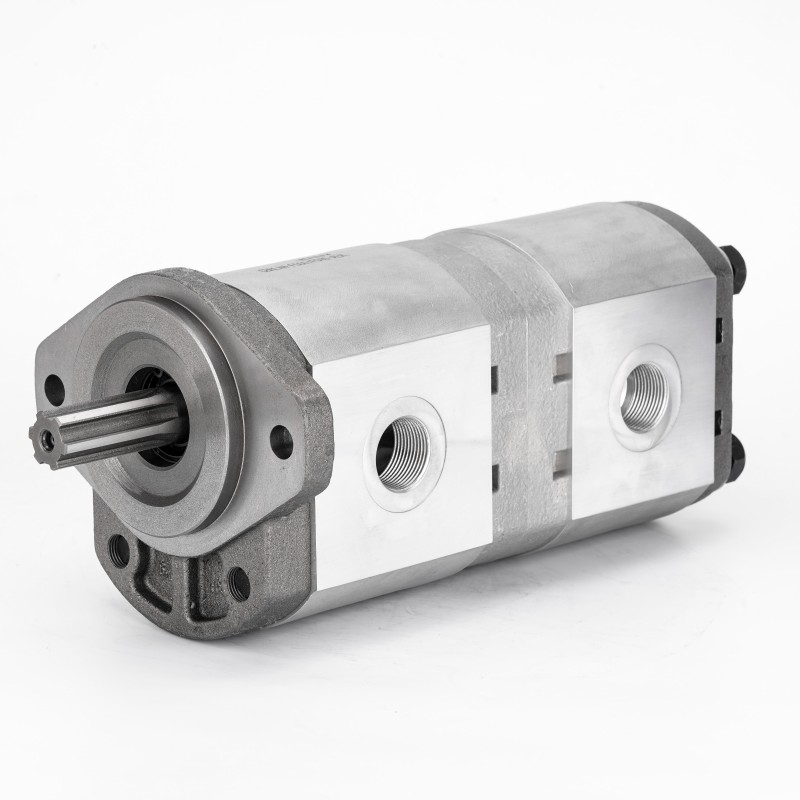
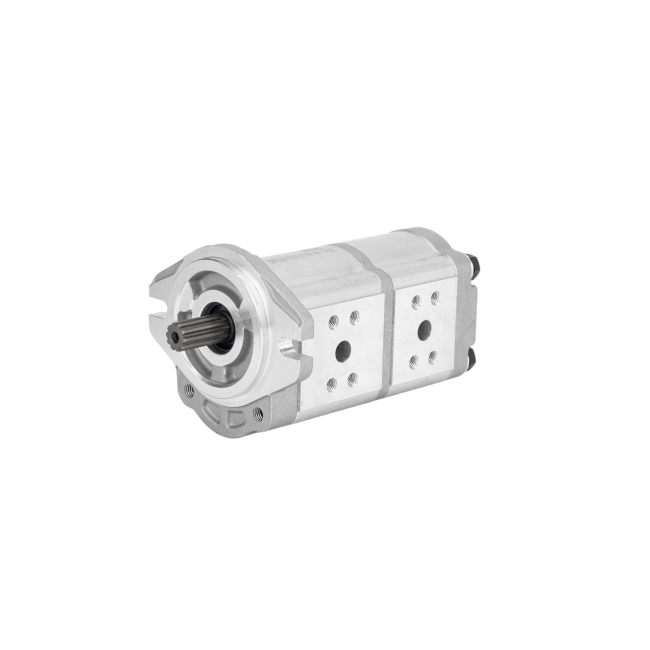
Did you know? Tandem and triple gear pump configurations (such as the CBTLD3 series) allow a single drive shaft to power multiple independent hydraulic circuits. This is highly useful in tractors where one circuit powers the hydrostatic steering, another controls the front loader, and a third operates the rear three-point hitch.

Front-end loaders are subjected to highly dynamic duty cycles, requiring rapid lifting, tilting, and lowering of heavy buckets. A high pressure hydraulic gear pump ensures that the cylinders receive immediate, high-volume flow to achieve fast cycle times. Similarly, the rear three-point hitch must support and lift heavy tillage implements, seed drills, and fertilizer spreaders. The pump must maintain steady pressure even at low engine idle speeds to ensure precise position control and safety during transport.
Operator safety relies entirely on the continuous functionality of the steering and braking circuits. In modern tractors, steering is hydraulically powered (hydrostatic steering). Because steering safety is critical, manufacturers often employ tandem gear pumps. The primary stage of the tandem pump is dedicated strictly to the steering valve, ensuring priority flow regardless of the demands placed on the auxiliary hydraulic circuits by other implements.
Precision planting requires consistent vacuum pressure to singulate and place seeds at exact spacing intervals. Large air drills use hydraulic motors driven by the tractor’s auxiliary pump to power the vacuum fan. Any fluctuation in hydraulic pressure or flow can cause variations in fan speed, leading to skips or doubles in seed placement. High-efficiency gear pumps provide the stable, pulsation-free flow required to maintain precise fan speeds, directly impacting crop yield potential.
Modern tractors utilize electro-hydraulic clutches to engage and disengage the PTO shaft and differential locks. These systems require a dedicated, low-flow, high-pressure oil supply to actuate the wet multi-plate clutches smoothly. High-pressure gear pumps provide the necessary actuation force to prevent clutch slippage under high torque loads, preserving the service life of the drivetrain.
Engineering the world’s finest gear pumps
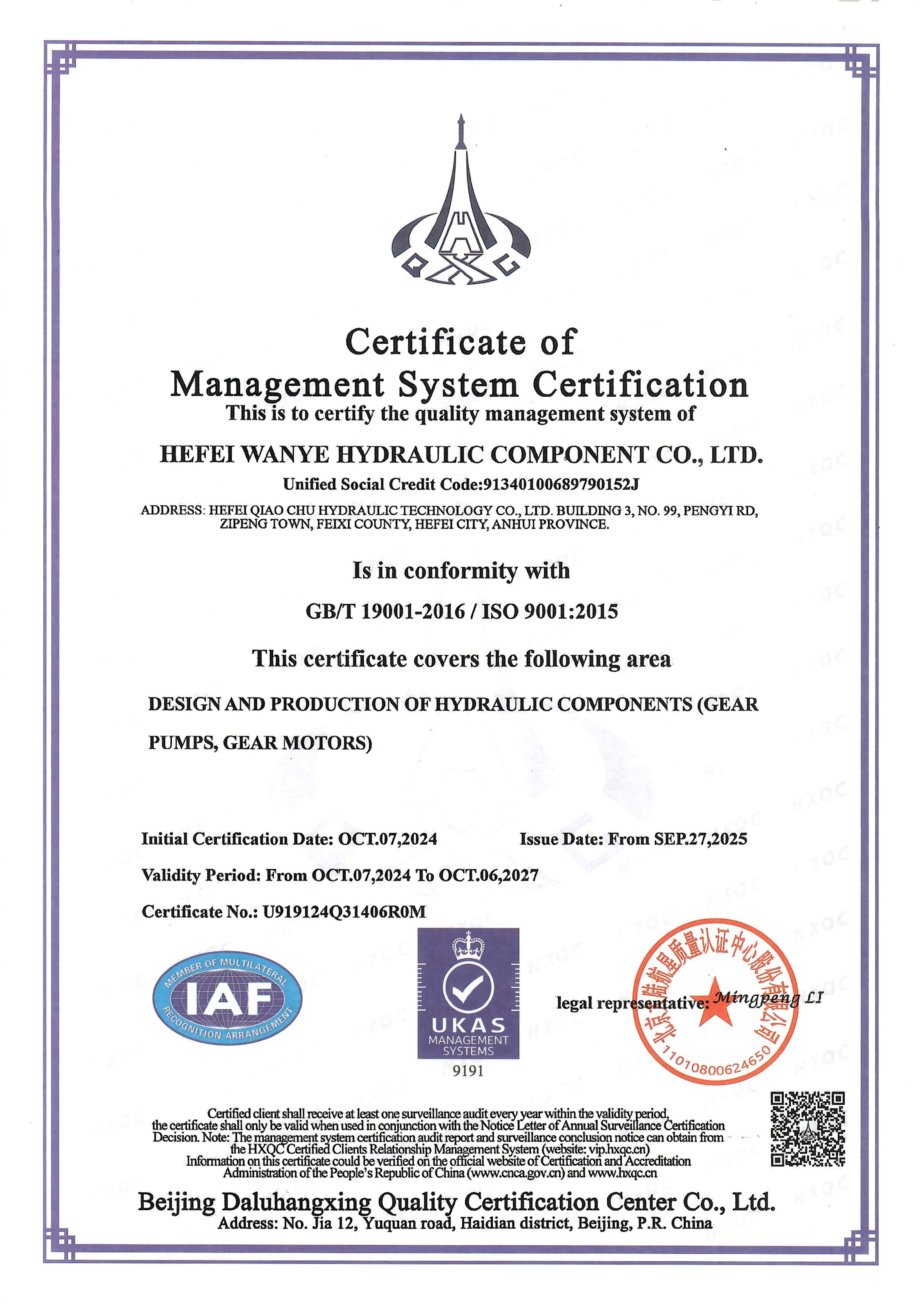
Founded in 2009, Wanye Hydraulics is a private enterprise specializing in R&D, manufacturing, and distribution of hydraulic components. Our core products include gear pumps, gear motors, and power units. As a national key component supplier and Anhui Provincial High-Tech Enterprise, we maintain our own R&D center with multiple patents. All products are ISO 9001 certified, and we serve as a core supplier to leading Chinese construction machinery manufacturers including XCMG and SANY.
Read More About Us
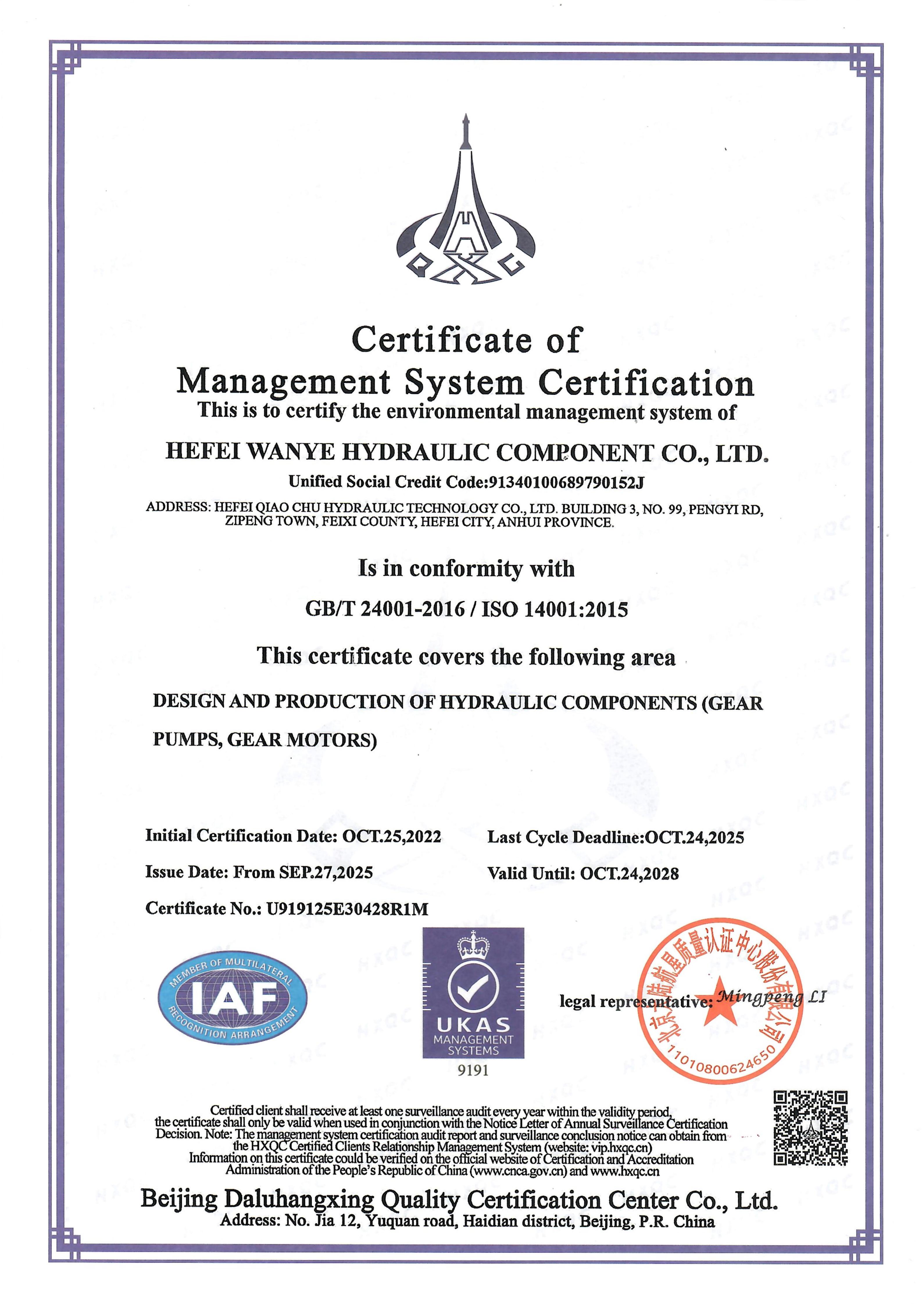
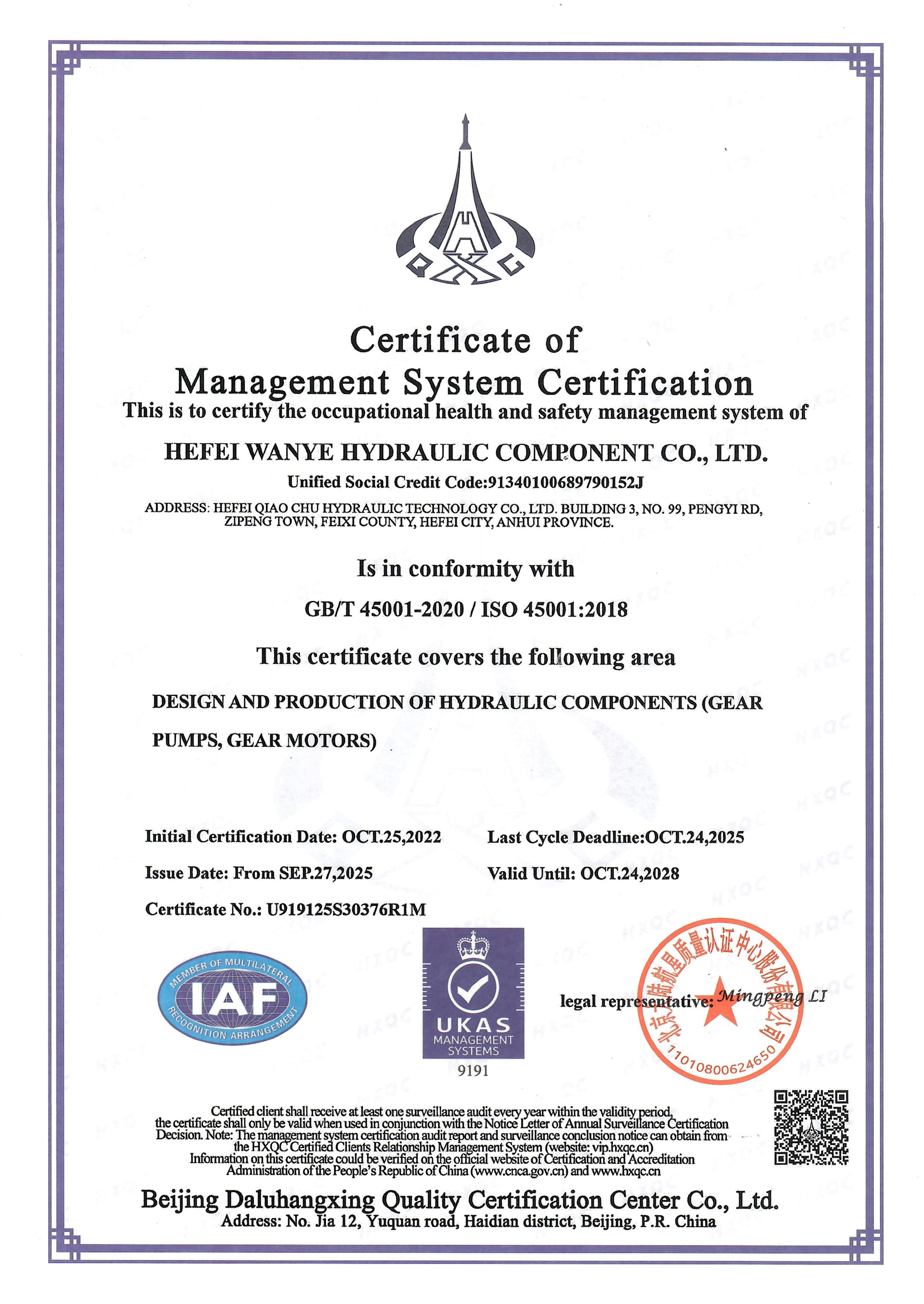
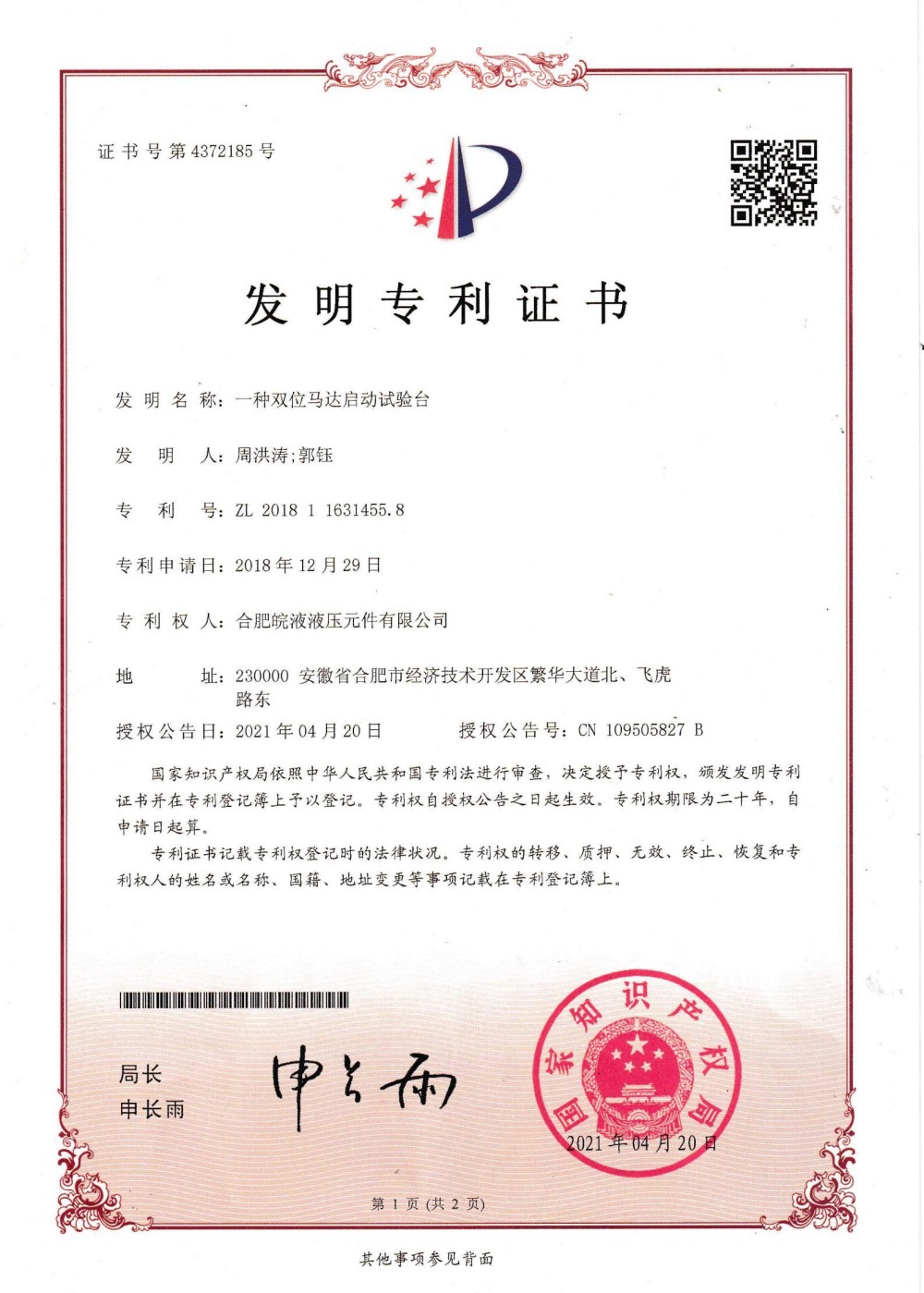
Our commitment to quality is backed by international certifications and multiple design patents, ensuring every gear pump meets global manufacturing standards.
Explore our comprehensive range of high-pressure gear pumps designed for agricultural machinery, tractors, and heavy construction equipment.