Industrial Landscape & Dynamics
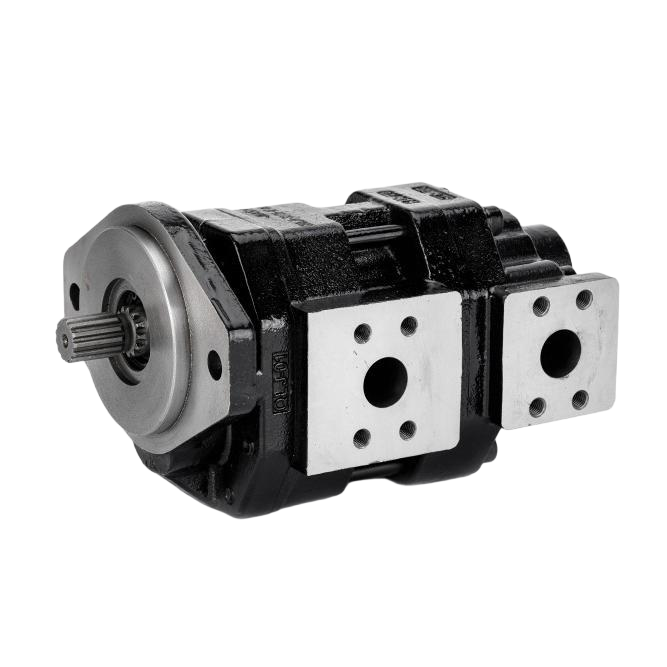
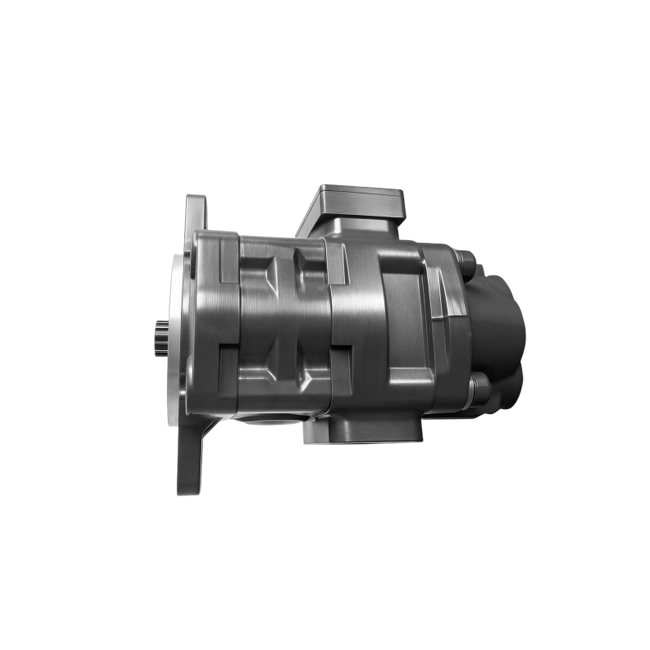
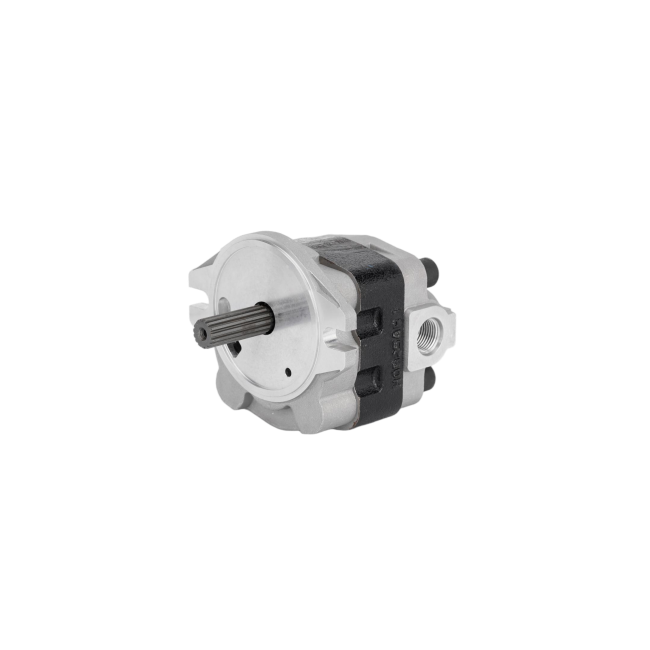
The Helical Gear Revolution in Modern Compact Earthmoving Equipment
Addressing the tri-fold challenges of severe high-frequency pressure pulsations, stringent noise regulations, and cramped thermal envelopes in loaders and skid-steers.
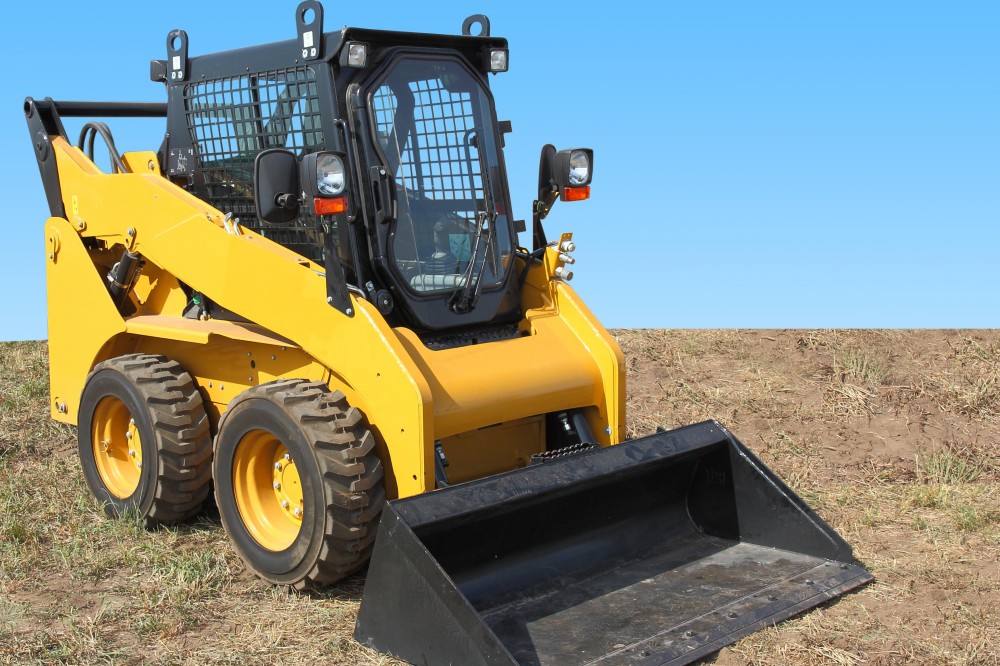
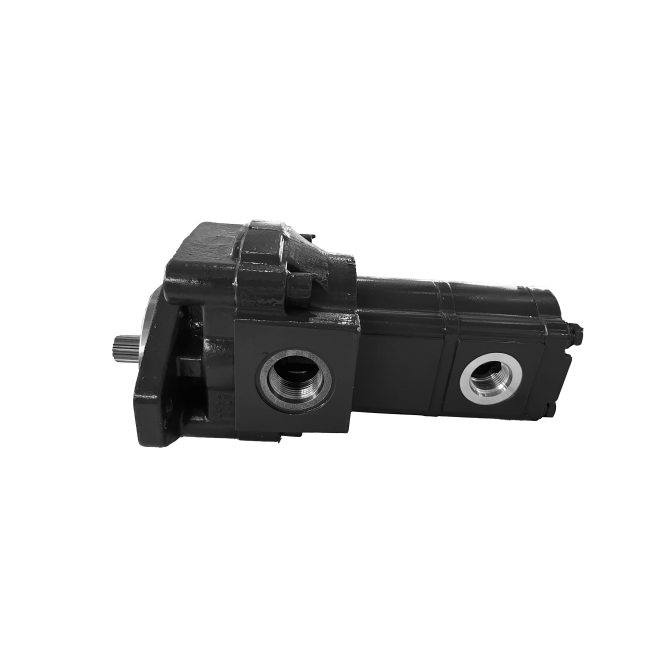
The compact construction machinery sector—dominated by articulated wheel loaders, compact track loaders (CTL), and skid-steer loaders (SSL)—has entered an era characterized by higher operational duty cycles, higher system operating pressures, and stringent operator ergonomics. Traditionally, external spur gear pumps served as the primary workhorse for implement actuation, steering assist, and pilot line charging due to their structural simplicity, contamination resilience, and cost effectiveness. However, modern compact equipment architectures operate in densely packed engine bays alongside Tier 4 Final and EU Stage V emissions aftertreatment systems, operating under extreme ambient thermal conditions.
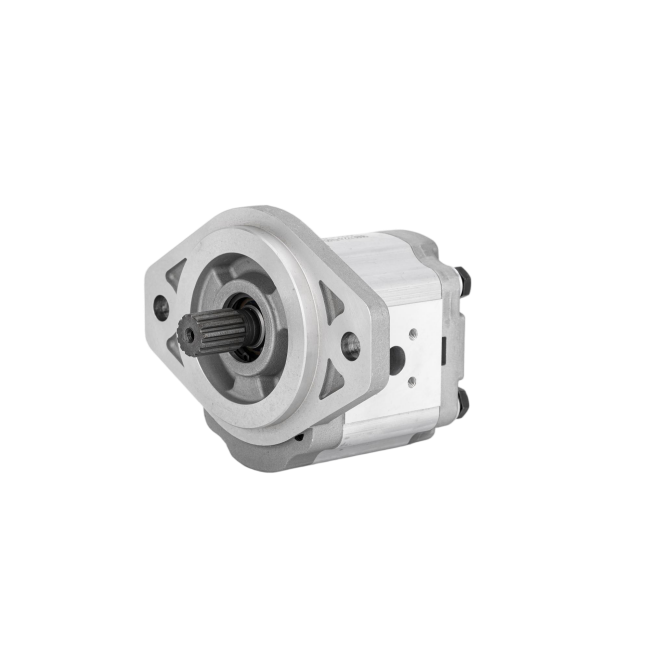
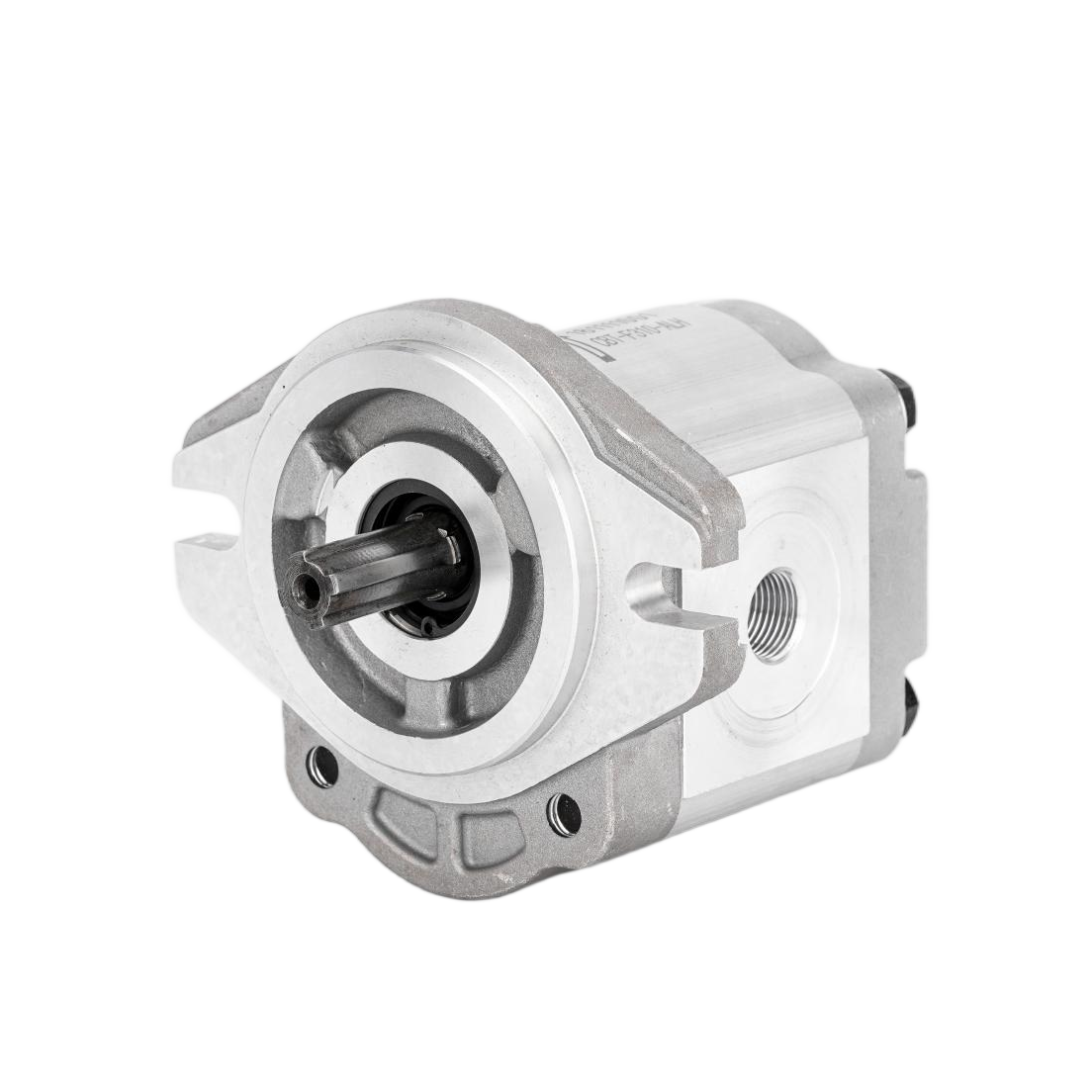
In skid-steer loaders, the hydraulic circuit is subjected to violent, abrupt pressure spikes caused by dynamic stall conditions when bucking rock, running cold planers, or actuating high-inertia hydraulic trenchers. Conventional straight-spur gear pumps generate unavoidable flow ripple—typically oscillating between 10% and 18% of mean flow—which induces fluid-borne acoustic vibrations throughout the steel chassis, operator cabin, and rigid piping. The introduction of hydraulic helical gear pumps fundamentally transforms these mechanical dynamics. By distributing the gear tooth engagement continuously along a calculated helix angle, the abrupt fluid entrapment characteristic of spur teeth is replaced by smooth, progressive contact.
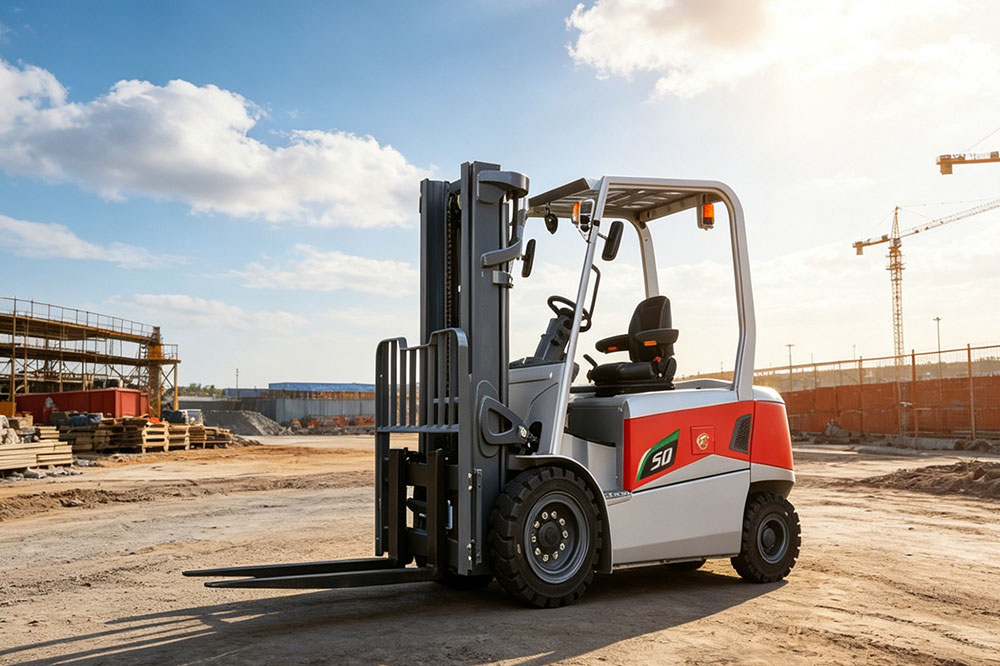
Furthermore, as major global OEMs introduce battery-electric compact loaders (e-loaders) and electrified skid-steers, internal combustion engine masking noise has been eliminated. In an electric loader, hydraulic pump whine becomes the predominant acoustic signature. The helical gear pump reduces operational airborne sound levels by 6 dB(A) to 12 dB(A) compared to traditional spur gear units, making it the definitive core fluid power technology for both legacy diesel and emerging zero-emission machinery.
〰
Low Flow Ripple & Minimal Cavitation
Continuous helical gear meshing minimizes flow pulsation down to less than 2-3%, stabilizing auxiliary hydraulic motor speeds and reducing cavitation inception during extreme cold-start operations.
🔇
Acoustic Suppression Technology
Progressive line-of-contact engagement eliminates trapped fluid compression spikes between gear teeth, achieving operating sound emissions well beneath 68 dB(A) even under 250 bar loading.
⚙
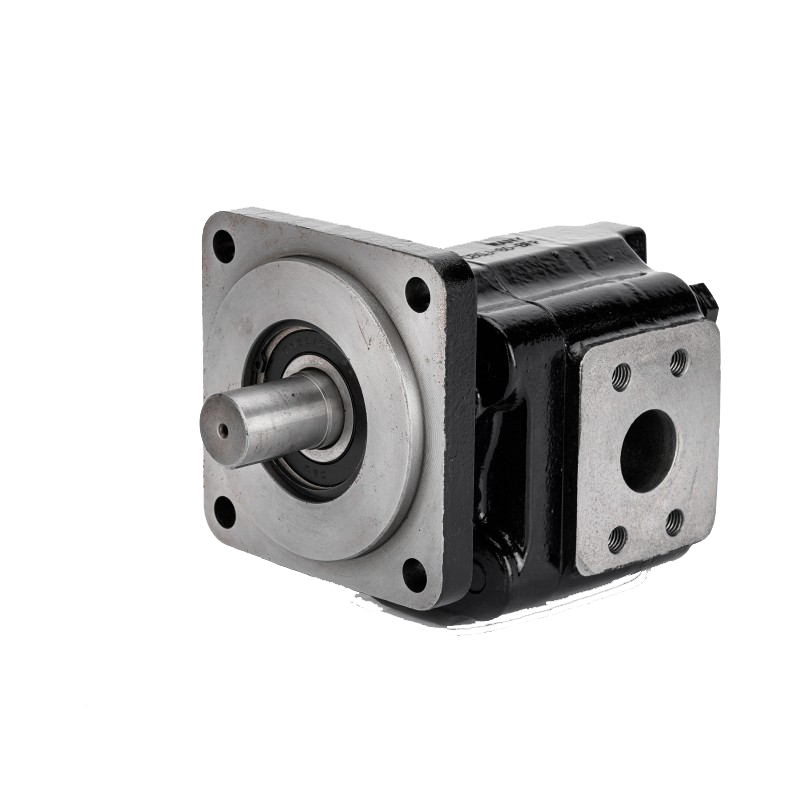
High-Strength Nodular Cast Iron Body
Engineered from high-density vermicular or nodular cast iron, providing exceptional modulus of elasticity, zero housing expansion at peak pressure, and superior thermal fatigue survival.



 coco
 mr-li