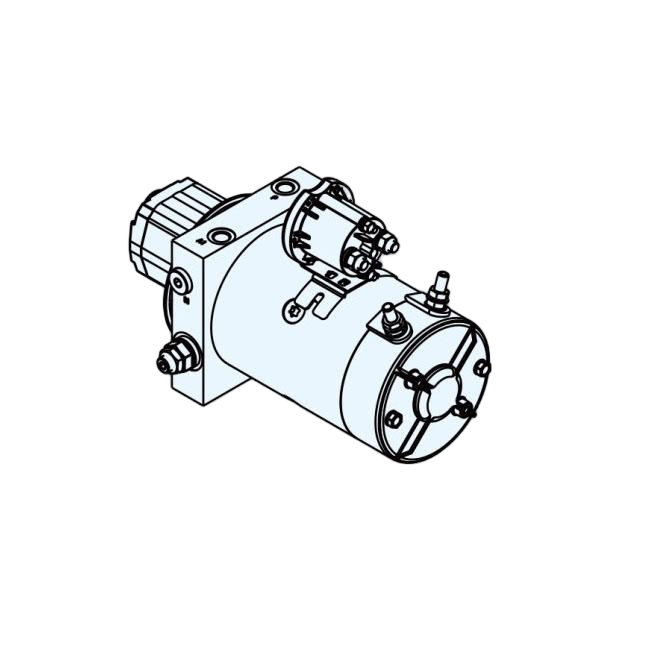
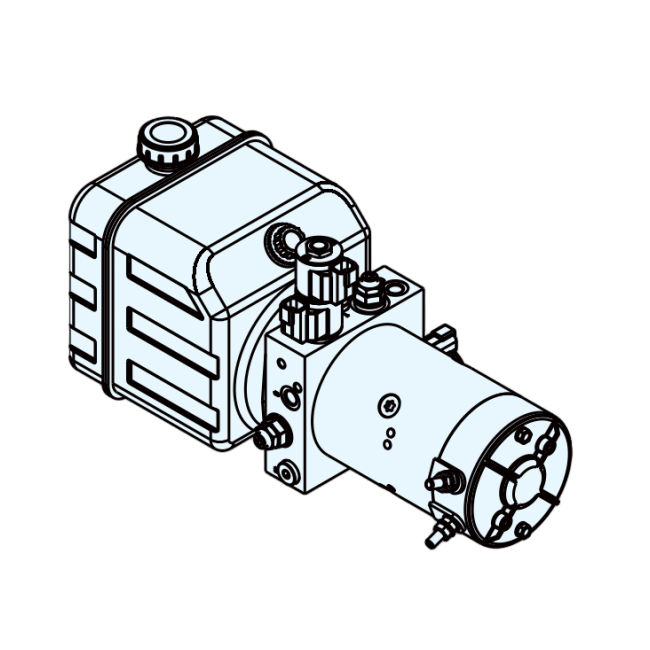
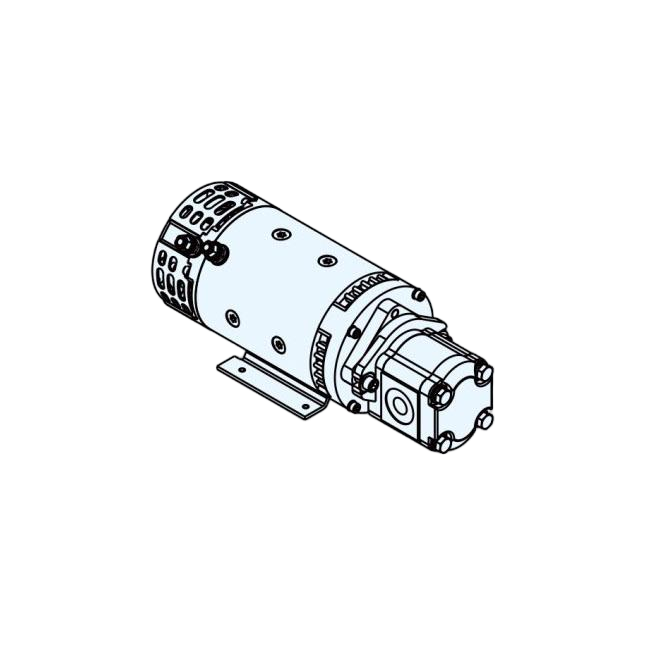
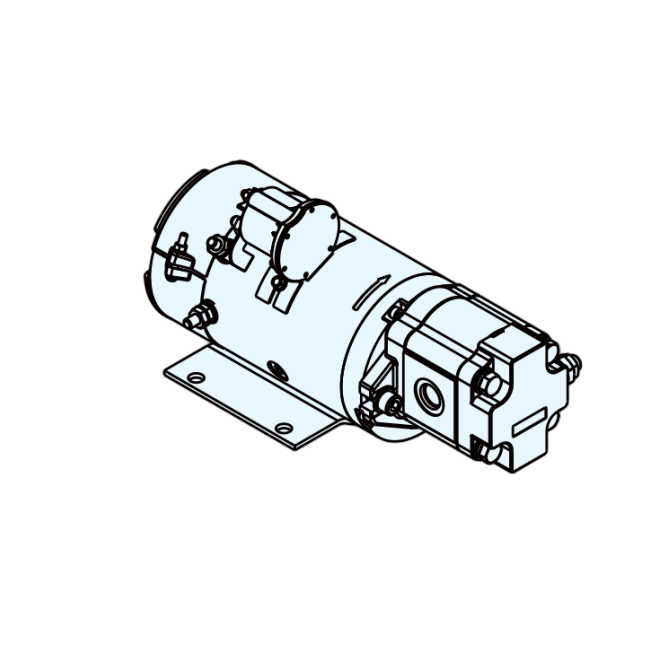
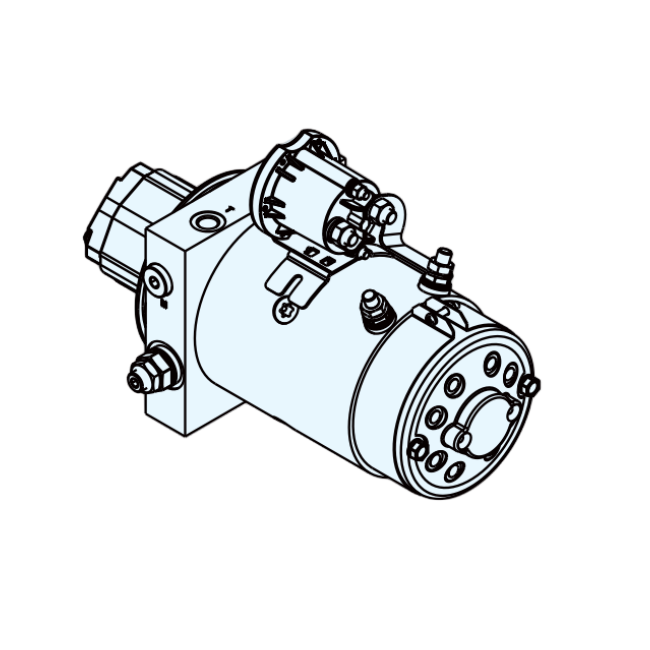
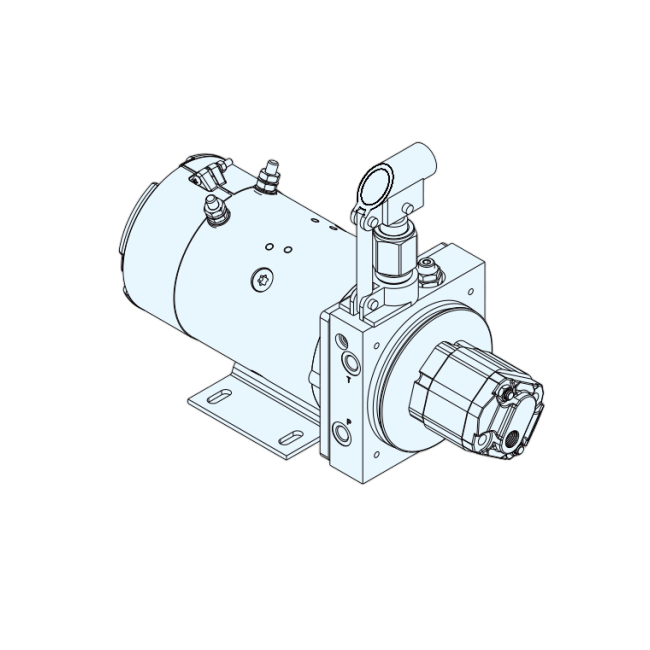
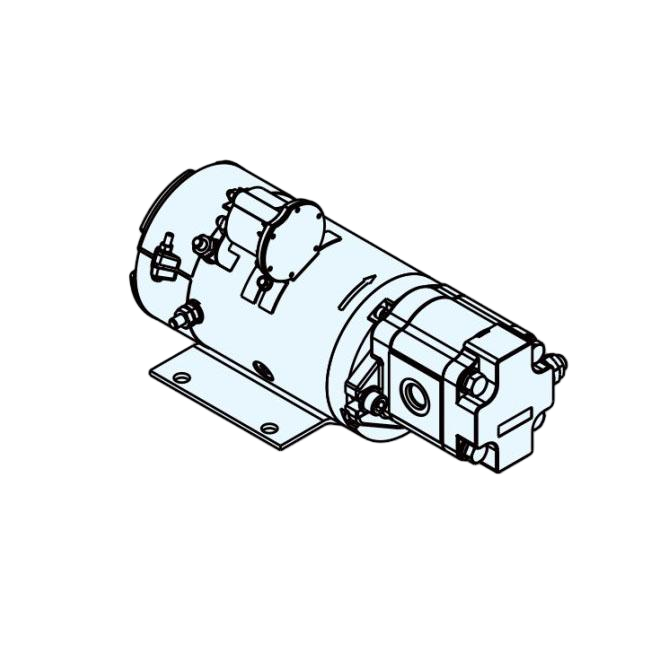
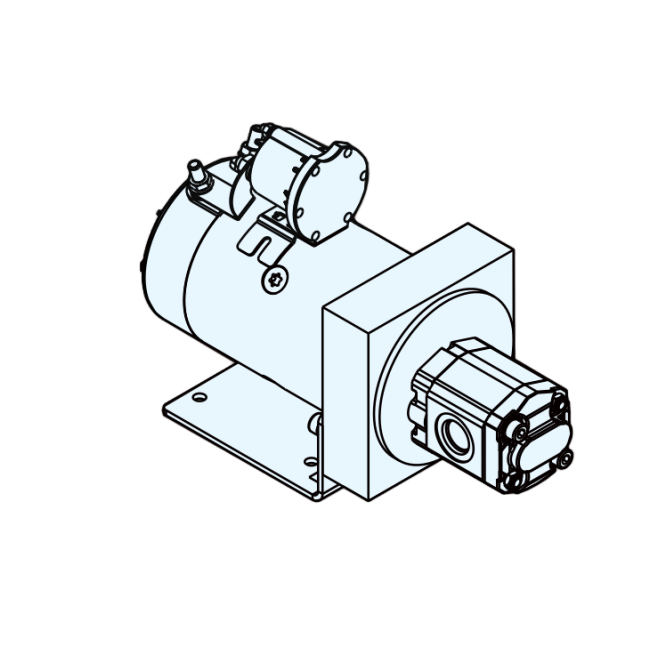
Engineered specifically for heavy lifting, high-duty cycles, and harsh industrial environments.
In modern industrial manufacturing, maritime logistics, and infrastructure construction, cranes and lifting equipment serve as the backbone of material handling. The efficiency, safety, and precision of these massive machines depend entirely on the performance of their core component: the Hydraulic Power Unit (HPU). As lifting capacities scale up and safety standards tighten globally, the demand for highly integrated, smart, and energy-efficient hydraulic systems has reached an all-time high.
Hydraulic Power Units act as the "heart" of cranes, converting mechanical energy from electric motors or internal combustion engines into fluid power. This power is subsequently transmitted through control valves to cylinders and hydraulic motors, executing critical functions such as boom telescoping, hoisting, luffing, and slewing. Without the high torque density and stepless speed regulation provided by hydraulics, handling loads of dozens, or even hundreds of tons, would be practically impossible.
Depending on the working environment, load parameters, and operational requirements, cranes are categorized into several types, each presenting unique demands on their hydraulic systems:
Mobile cranes operate in dynamic environments, ranging from hot deserts to sub-zero construction sites. HPUs designed for these applications must emphasize high power density, compact dimensions, and weight efficiency to ensure vehicle mobility. Proportional load-sensing systems are widely integrated into these units to match output flow precisely with load requirements, minimizing energy loss and heat generation.
Commonly found in high-rise building construction and port terminals, tower and gantry cranes demand continuous operation under heavy loads. The hydraulic power packs driving these systems must offer exceptional duty-cycle endurance and micro-positioning capabilities. Precision control is vital to mitigate load sway, protecting both the structural integrity of the crane and the safety of ground personnel.
Offshore cranes operate under some of the most unforgiving conditions, including constant exposure to saltwater spray, high humidity, and explosive atmospheres. HPUs for marine applications are engineered with corrosion-resistant stainless-steel reservoirs, specialized marine-grade coatings, and explosion-proof electrical components. They also feature robust water-glycol or seawater-cooled heat exchangers to maintain optimal fluid temperatures.
In indoor assembly lines and maintenance depots, overhead cranes and scissor lifts require smooth acceleration and deceleration curves. HPUs for these systems rely on quiet internal gear pumps or helical gear pumps to comply with indoor noise regulations, coupled with pilot-operated check valves to guarantee fail-safe locking of the load at any height.
Hydraulic systems offer an unparalleled power-to-weight ratio, allowing compact power units to generate the massive forces required to lift heavy structural elements.
Proportional valve technology enables operators to adjust hoisting and rotation speeds seamlessly, essential for precise positioning of delicate loads.
Built-in pressure relief valves protect the mechanical structure of the crane by diverting flow when loads exceed safe limits, preventing catastrophic failures.
Modern HPUs integrate pumps, valves, filters, and reservoirs into single, unified blocks, reducing leak paths and simplifying field installation.




The industrial landscape is evolving rapidly, driven by the global transition towards digitalization, electrification, and carbon neutrality. Hydraulic power units are no longer isolated mechanical assemblies; they are transforming into intelligent, electro-hydraulic systems integrated with the crane's central controller via CAN bus networks.
Traditional HPUs utilize constant-speed motors that run at maximum RPM regardless of whether the crane is lifting or idling, leading to significant energy waste and heat generation. Modern designs utilize variable-frequency or servo-driven electric motors. By adjusting the pump speed in real-time based on the operator's control inputs, these smart HPUs reduce energy consumption by up to 40% and drastically lower the thermal load on the hydraulic oil.
Unplanned downtime of a crane at a busy port or construction site can cost thousands of dollars per hour. By embedding pressure, temperature, oil level, and vibration sensors directly into the HPU, manufacturers can stream real-time diagnostic data to cloud platforms. Machine learning algorithms analyze this data to predict component wear—such as internal pump leakage or filter clogging—allowing maintenance teams to intervene before a failure occurs.
Environmental regulations are pushing the industry away from traditional mineral-based hydraulic oils, particularly in forestry, marine, and urban construction sectors. Modern HPUs are increasingly designed to run on biodegradable synthetic esters or water-glycol fluids. These fluids minimize environmental impact in case of a line rupture and offer superior fire resistance in high-temperature industrial environments.
Designing a reliable HPU for cranes requires solving complex engineering problems related to dynamics, thermodynamics, and safety compliance:
Thermal Management: Lifting operations generate high heat loads, especially during continuous lowering phases where potential energy is converted back into thermal energy. HPUs must feature carefully sized air-cooled or shell-and-tube water coolers, combined with bypass valves, to ensure the oil remains within its optimal viscosity index (typically between 15 and 100 cSt).
Safety Regulations & Redundancy: Crane hydraulics must comply with stringent international safety standards, such as ISO 13849 (Safety of Machinery) and EN 13000 (Cranes). This necessitates the inclusion of redundant control valves, emergency manual lowering overrides, and pilot-operated counterbalance valves mounted directly onto the cylinders to prevent collapse in the event of hose failure.
Fluid Cleanliness: Over 75% of hydraulic system failures are caused by particulate contamination. Crane HPUs must feature multi-stage filtration systems, including suction strainers, high-pressure line filters, and return-line filters with visual or electrical clogging indicators to maintain fluid cleanliness at ISO 4406 levels of 18/16/13 or better.
Decades of dedicated research, manufacturing excellence, and strategic expansions.
Wanye Hydraulics was successfully registered in June. The first batch of products was sold in July. In October of the same year, the company obtained ISO9001 Quality Management System certification.
The company successfully registered its trademark and was honored with the title of "High-Quality Small Enterprise" by Hefei City.
Production of the gear line began, ensuring gear accuracy reaches Grade 7 or higher, with some products achieving Grade 5 accuracy. The company possesses advanced gear heat treatment equipment.
The company was designated as a high-tech enterprise under a project approved by the Ministry of Science and Technology.
Achieved enterprise safety standardization certification.
Completed a technological innovation project from the Ministry of Science and Technology and obtained approval for an invention patent. Relocated to a new site in the Hefei Economic and Technological Development Zone, significantly expanding scale. Annual production capacity reached 200,000 gear pumps and gear motors.
Established its own technology center and received the 2020 "Specialized, Refined, Distinctive, and Innovative" honor for SMEs in Anhui Province. Factory area expanded to 25,000 square meters.
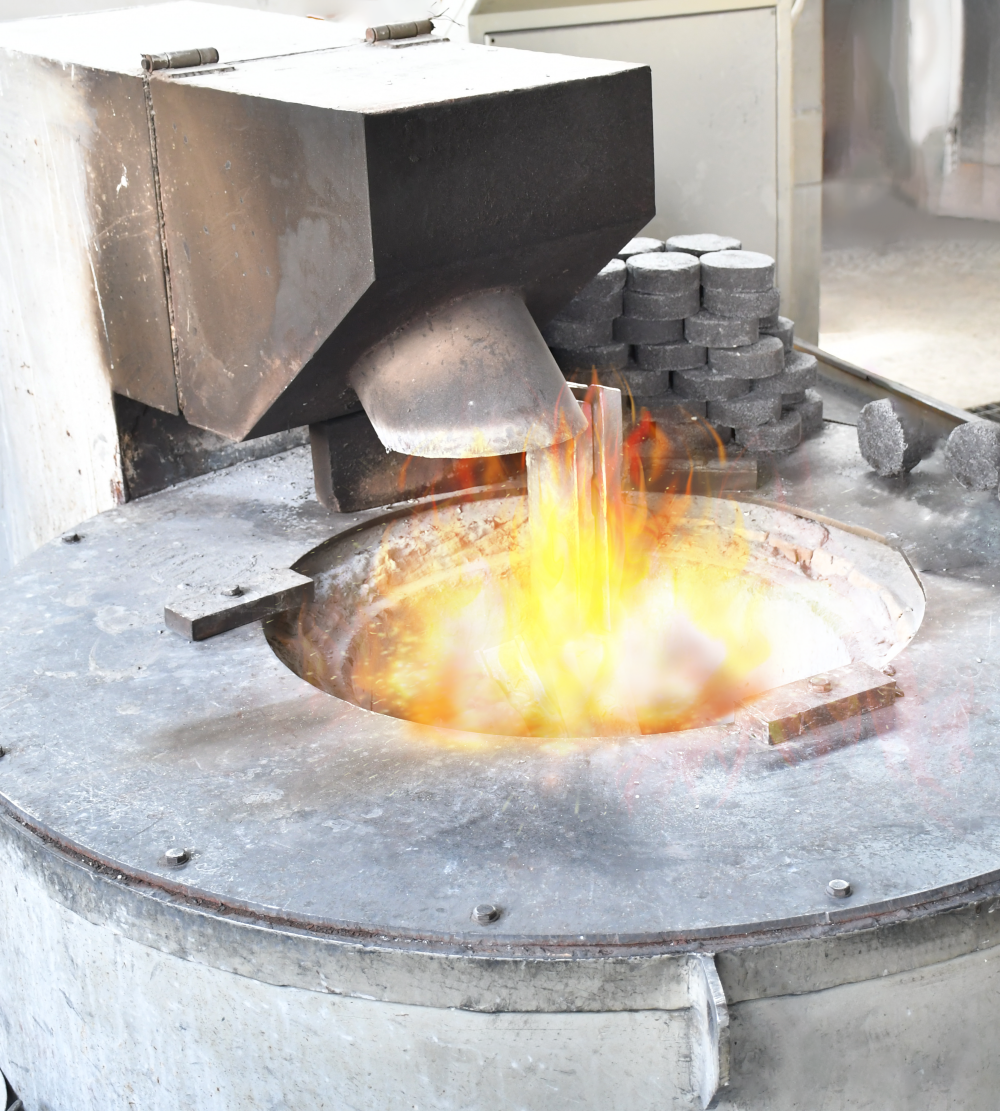
Developed and launched internal gear pumps and helical gear pumps into the market. Established its own aluminum casting production line. Annual output value exceeded 200 million RMB.
Moved to a new address at No. 99 Pengyi Road, Zipeng Industrial Cluster, Feixi County, Hefei City. New coordinates, new environment, new opportunities – Wanye embarks on a new chapter of development.
With years of production experience and a forward-thinking technical team, we provide customers with high-quality products and superior service. We embrace a progressive corporate culture and are committed to greater innovation and collaboration. WanYe Hydraulics is committed to becoming a global leader in the fluid power industry through focused development in four key strategic areas:
View More
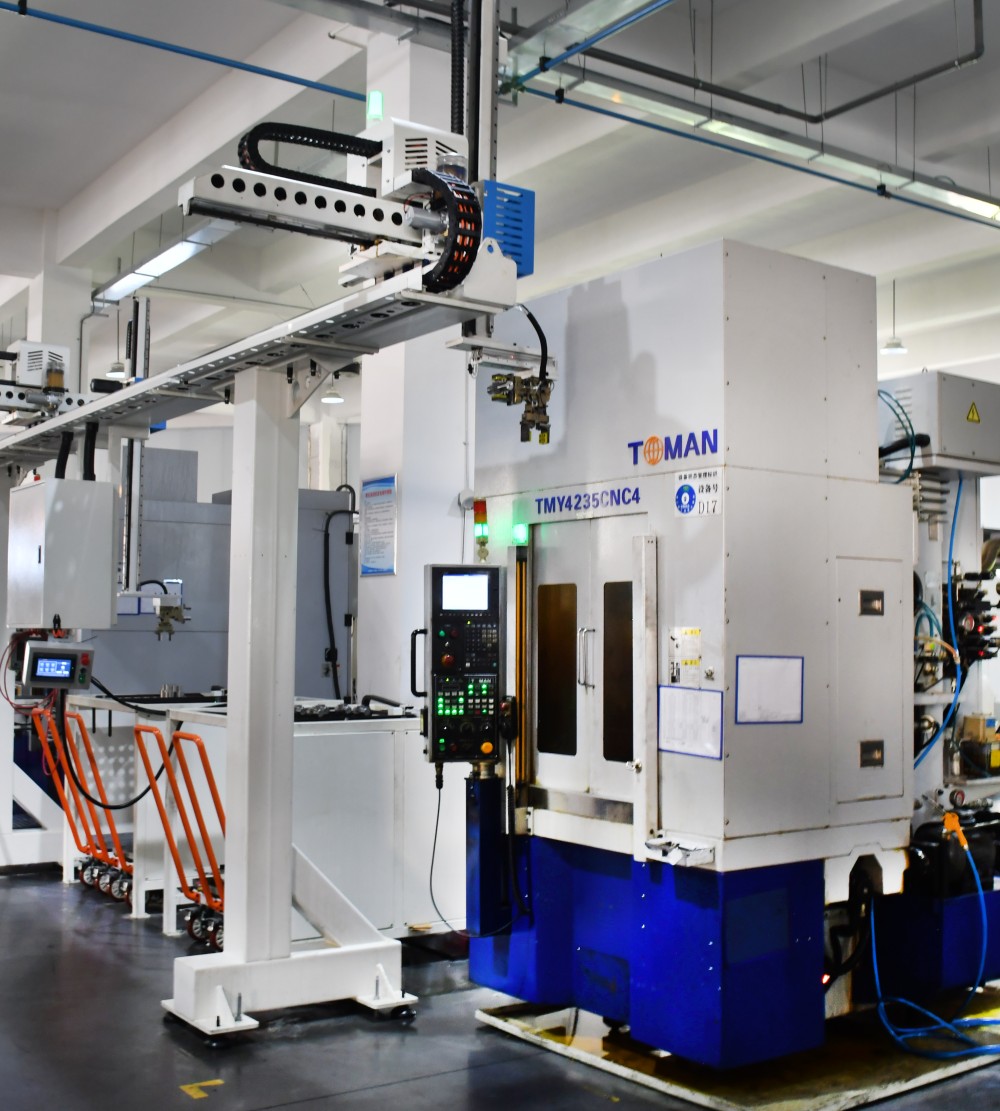
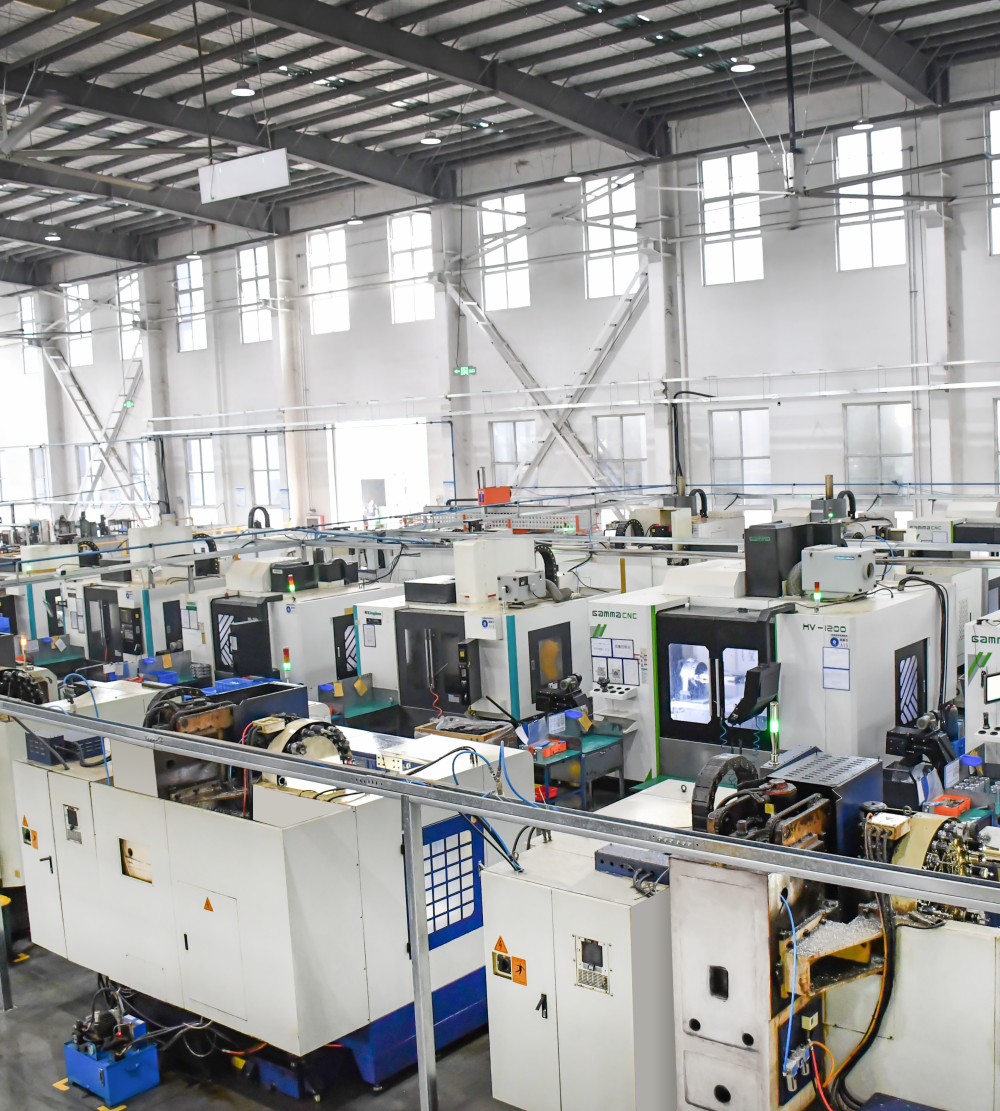
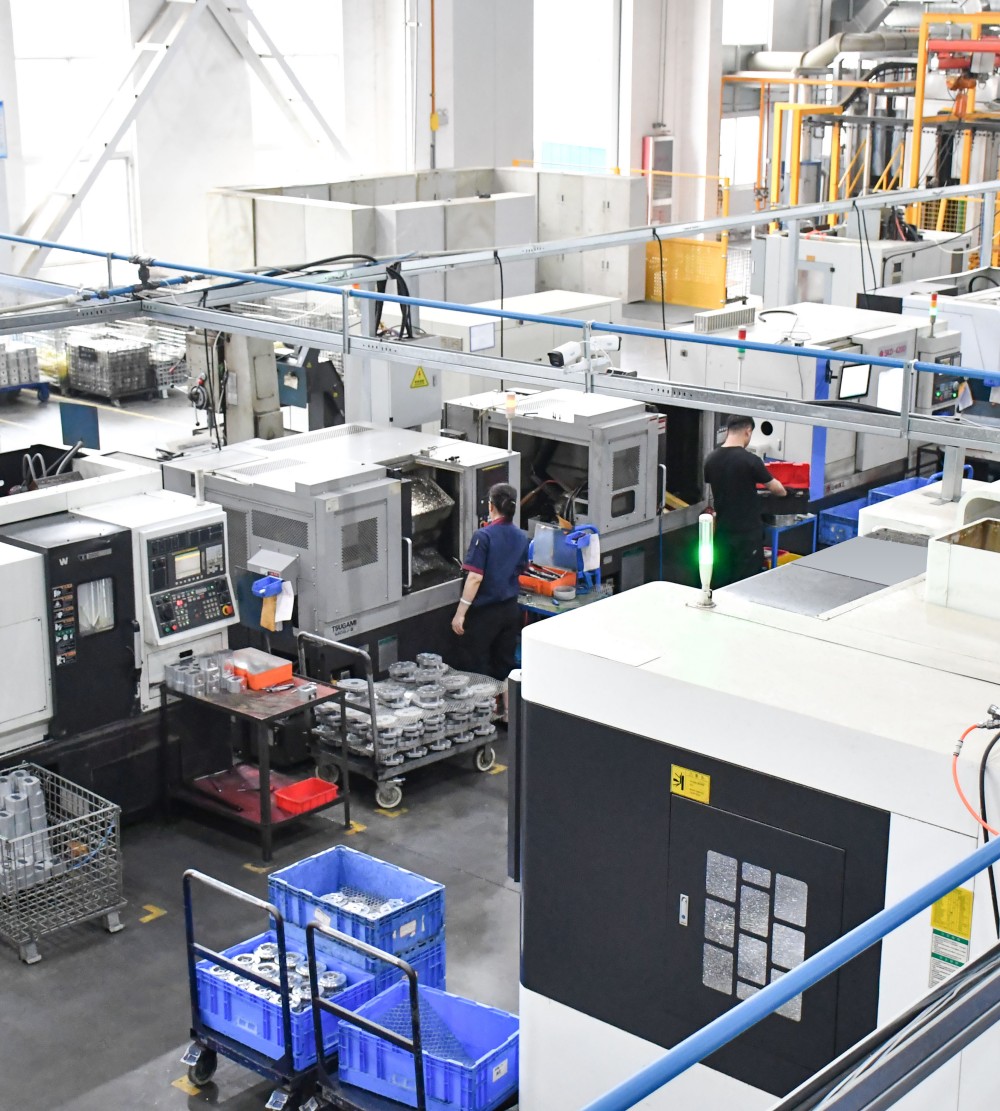
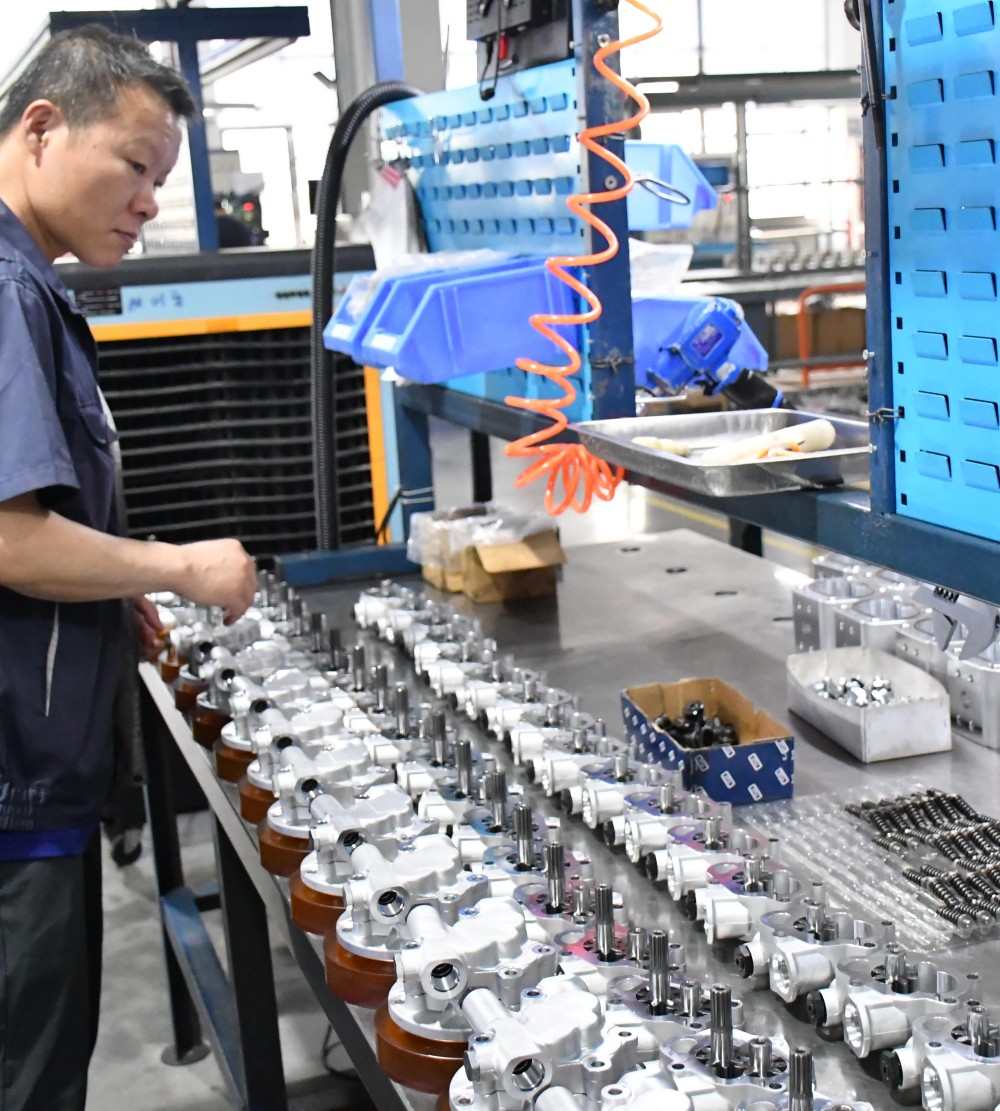
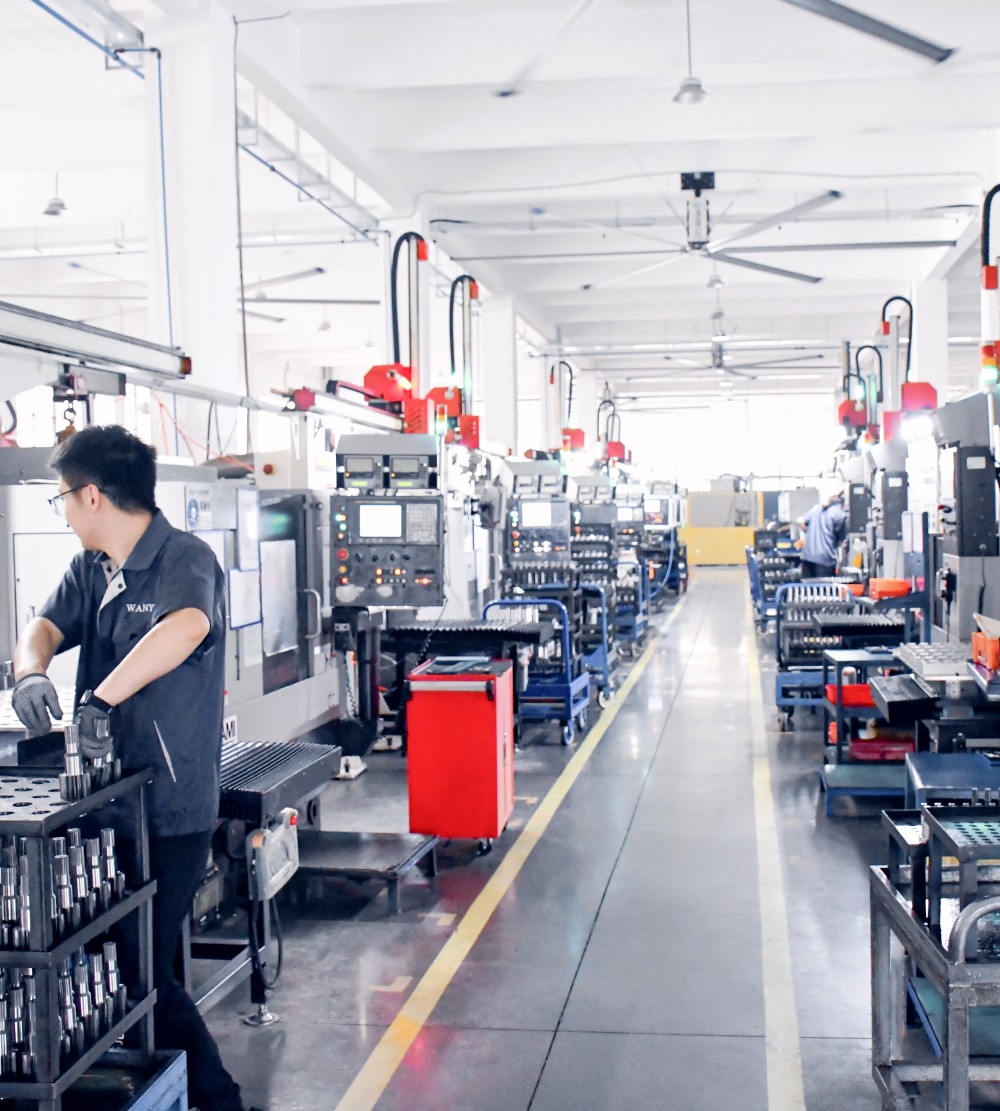
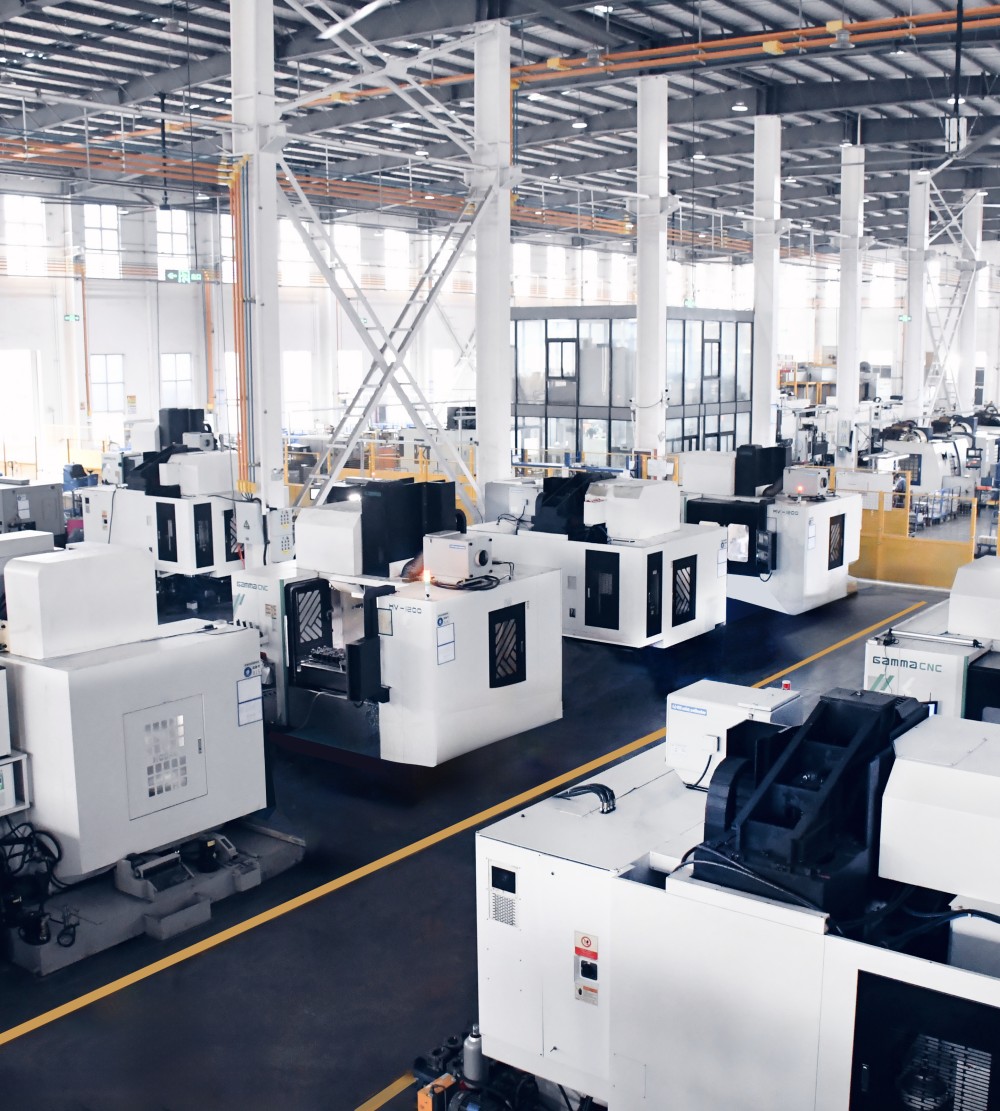
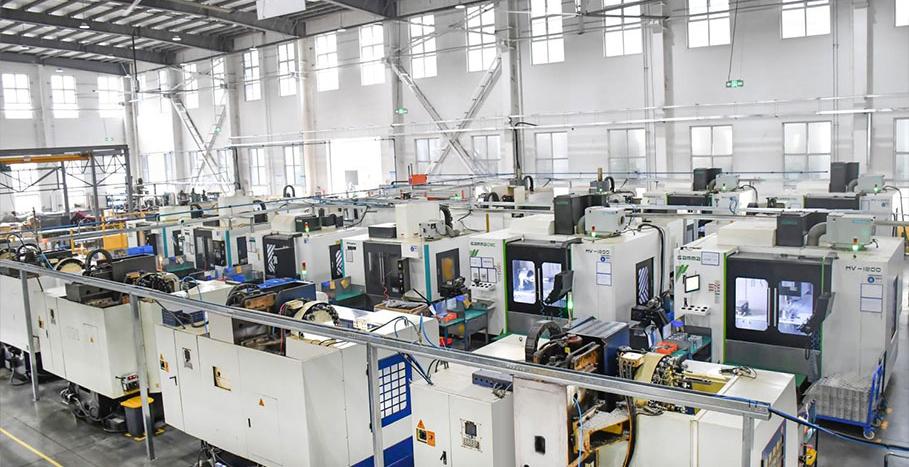
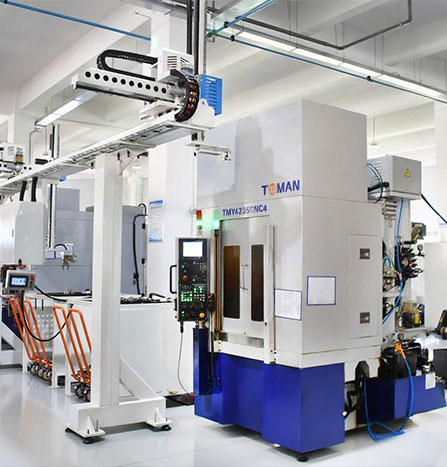
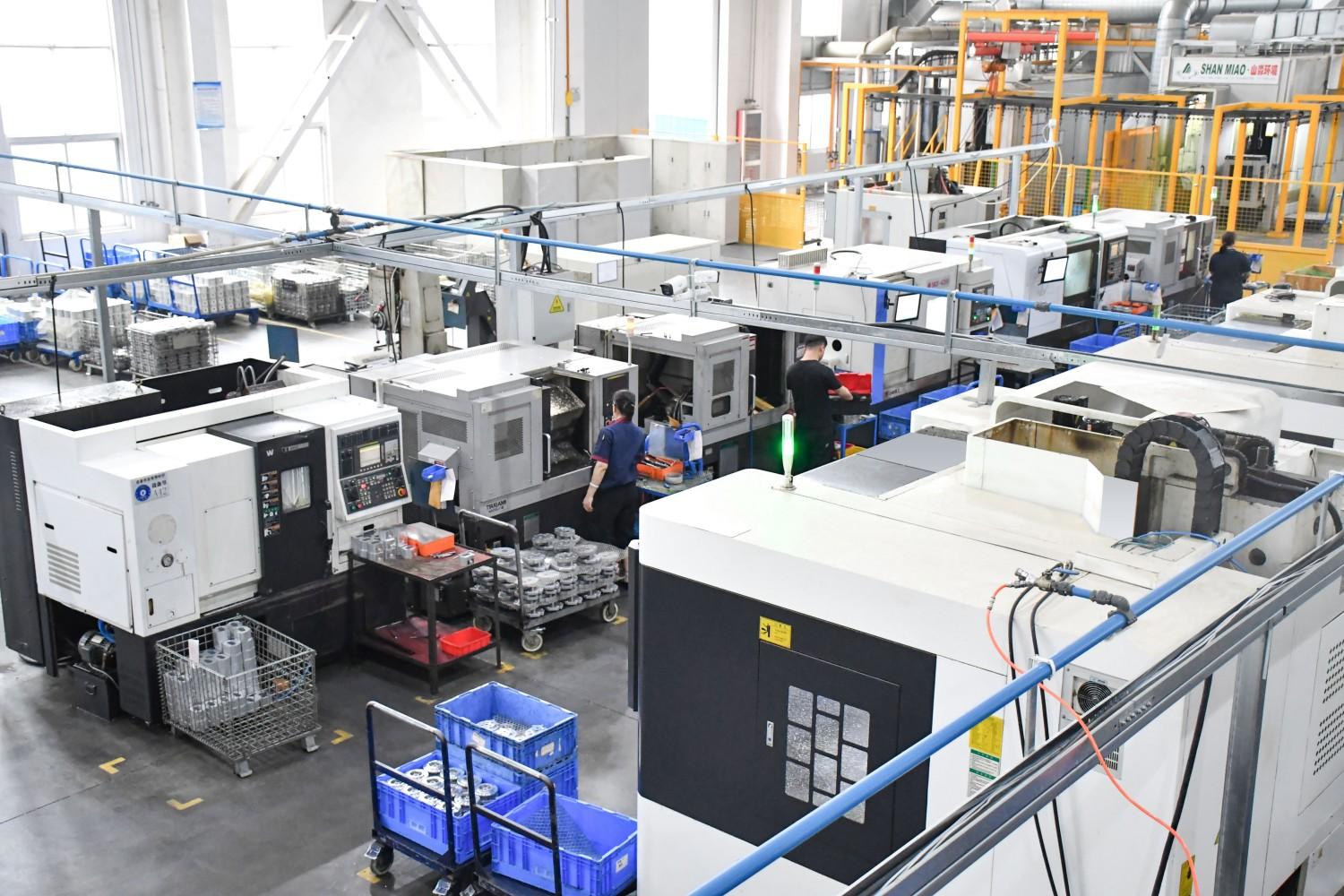
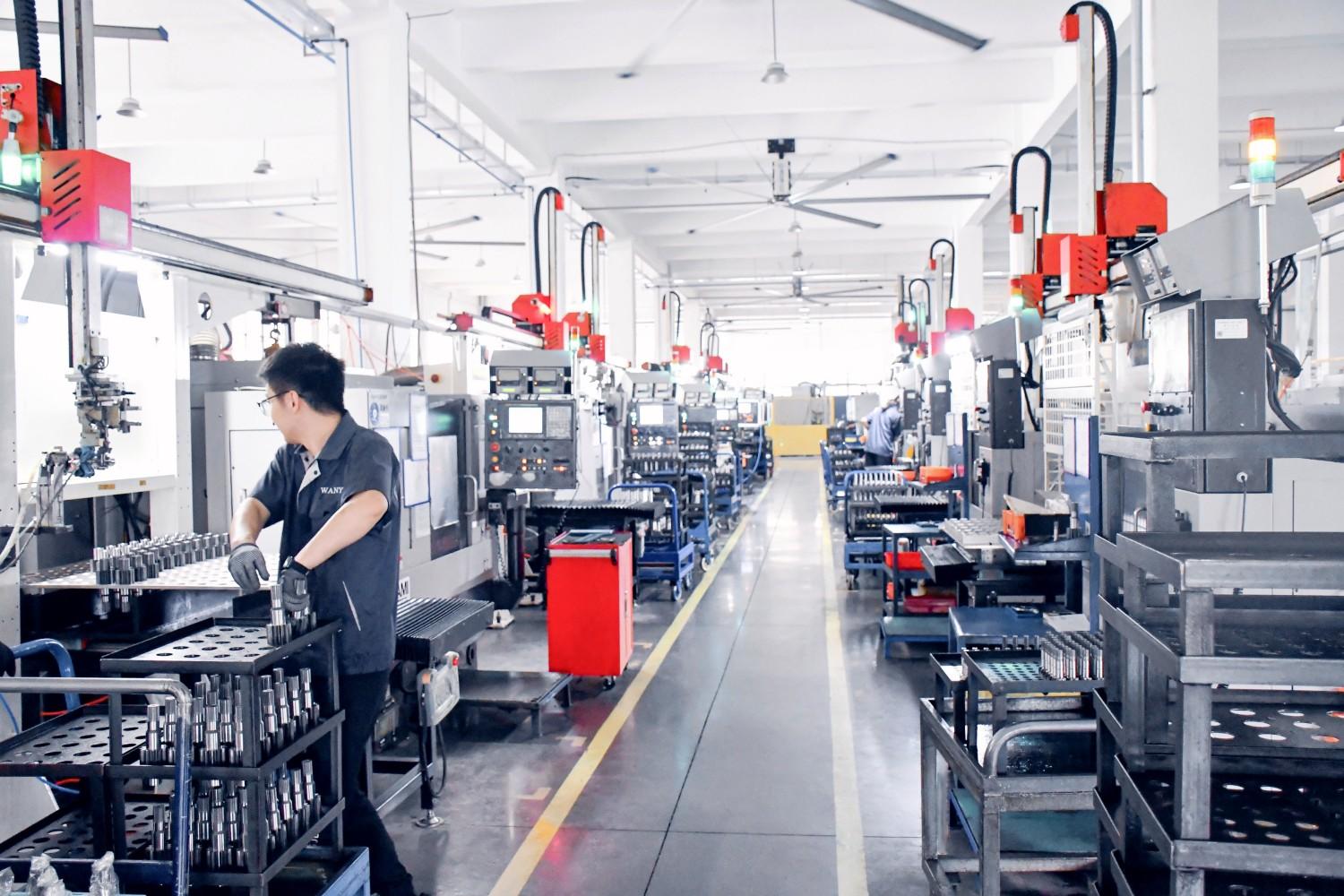
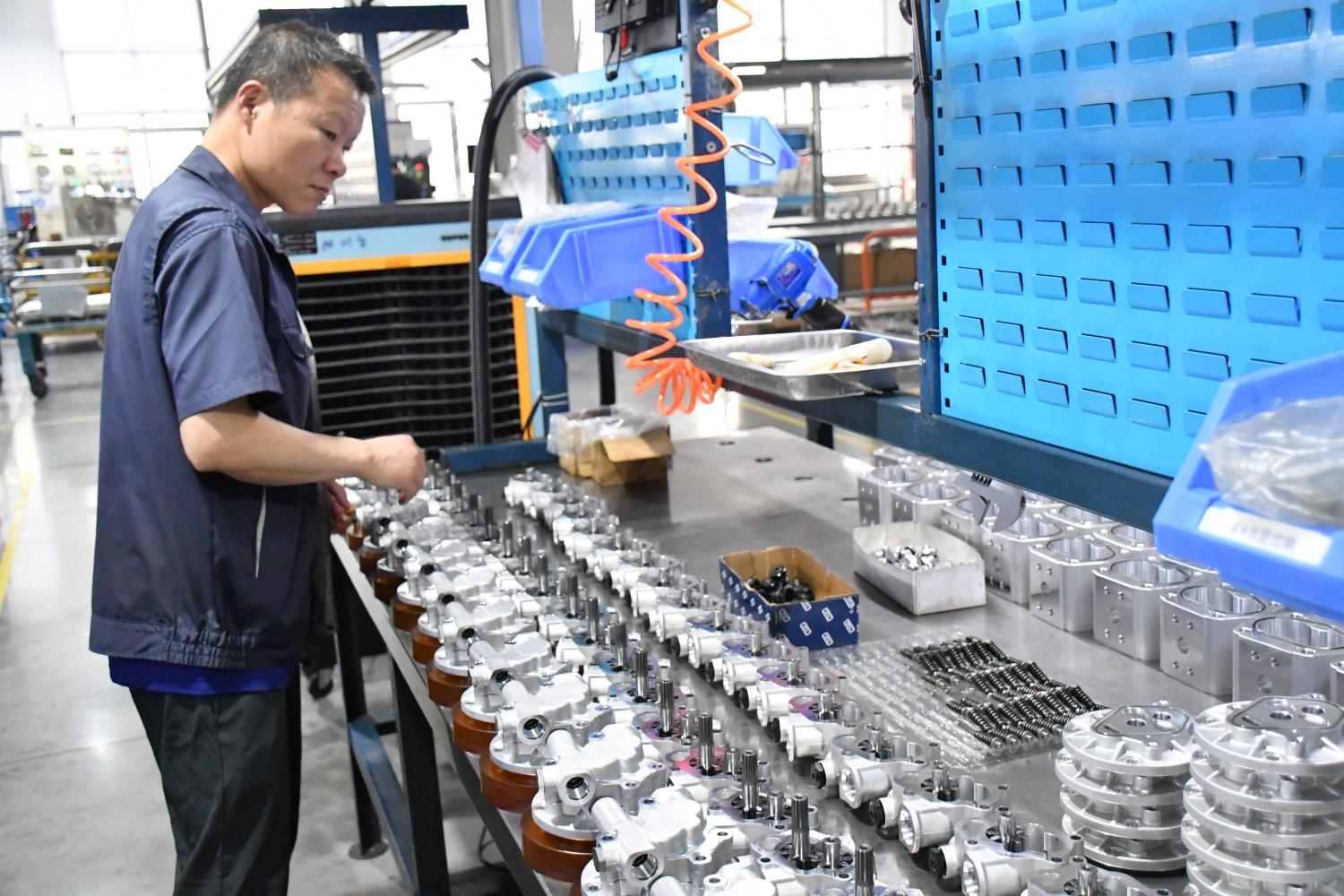
Equipped with state-of-the-art CNC machining centers, automated assembly lines, and rigorous testing rigs.
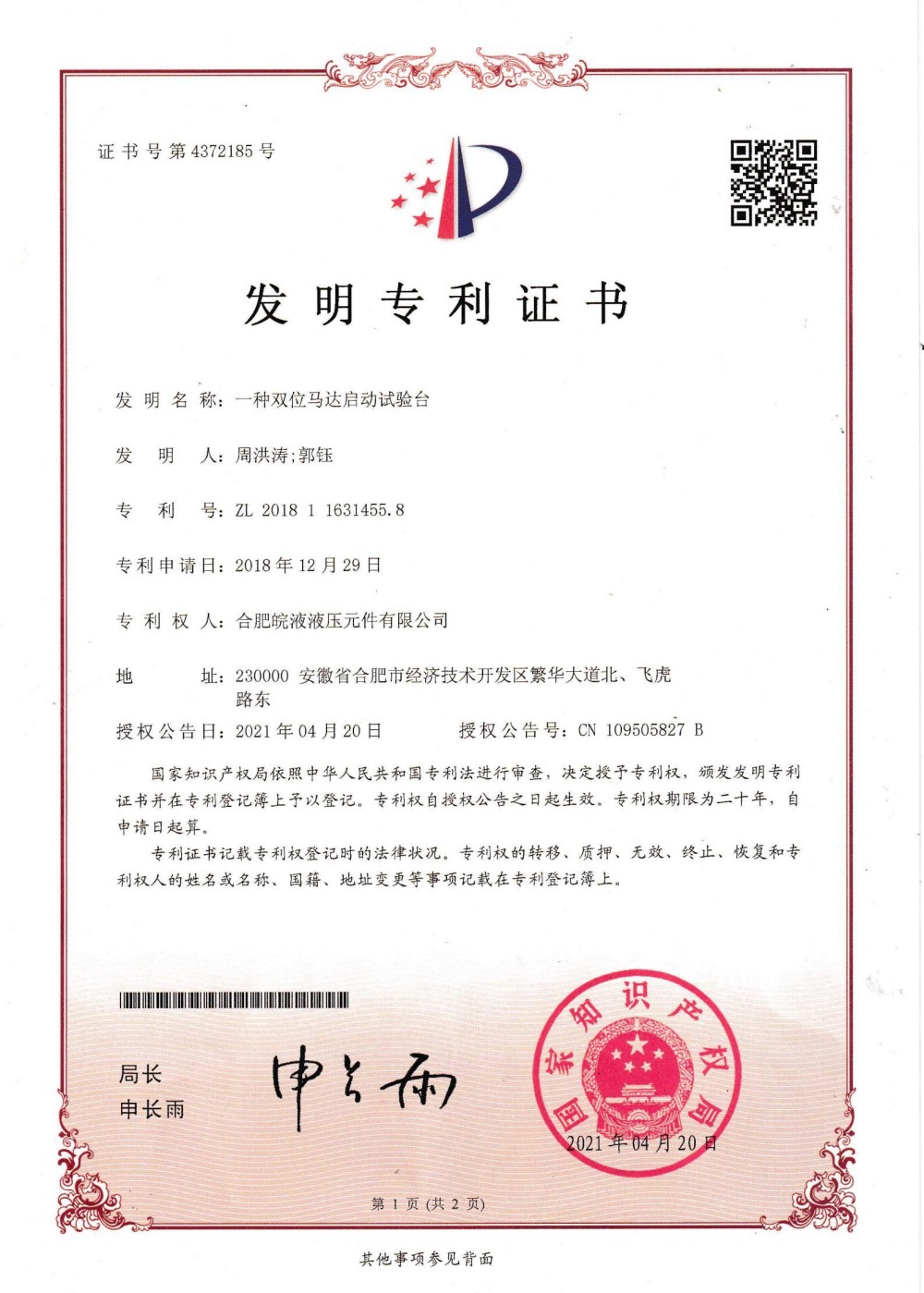
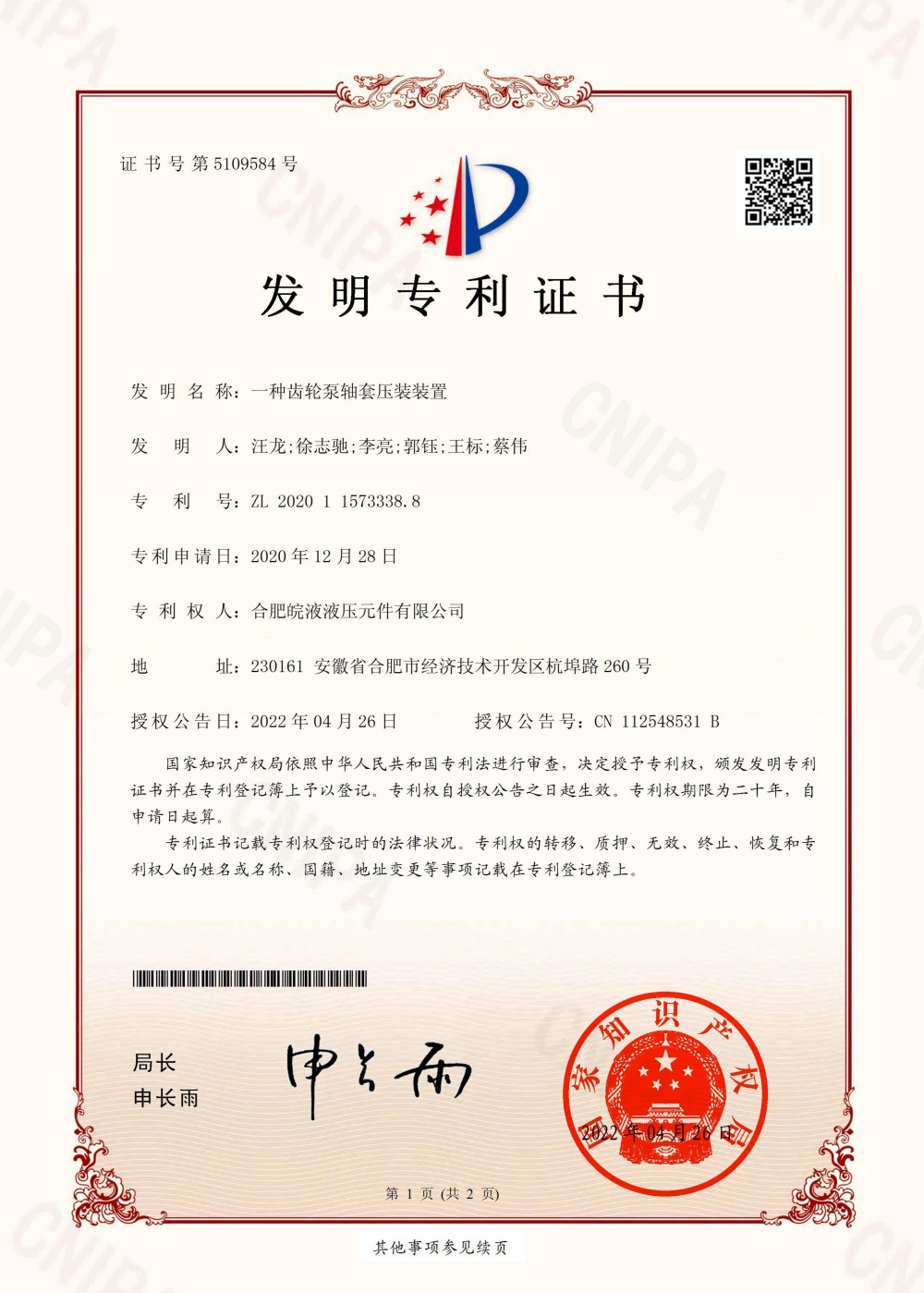
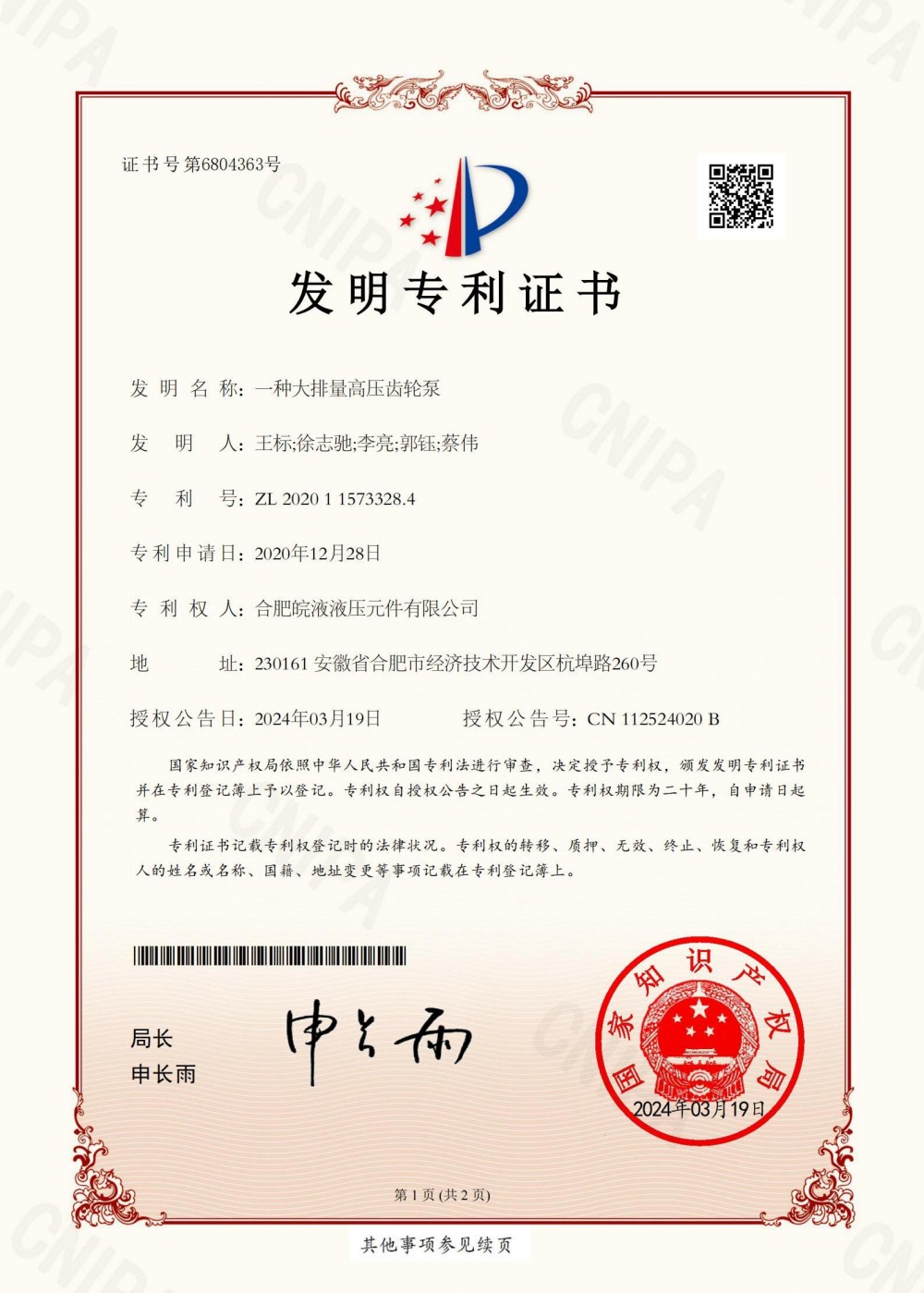
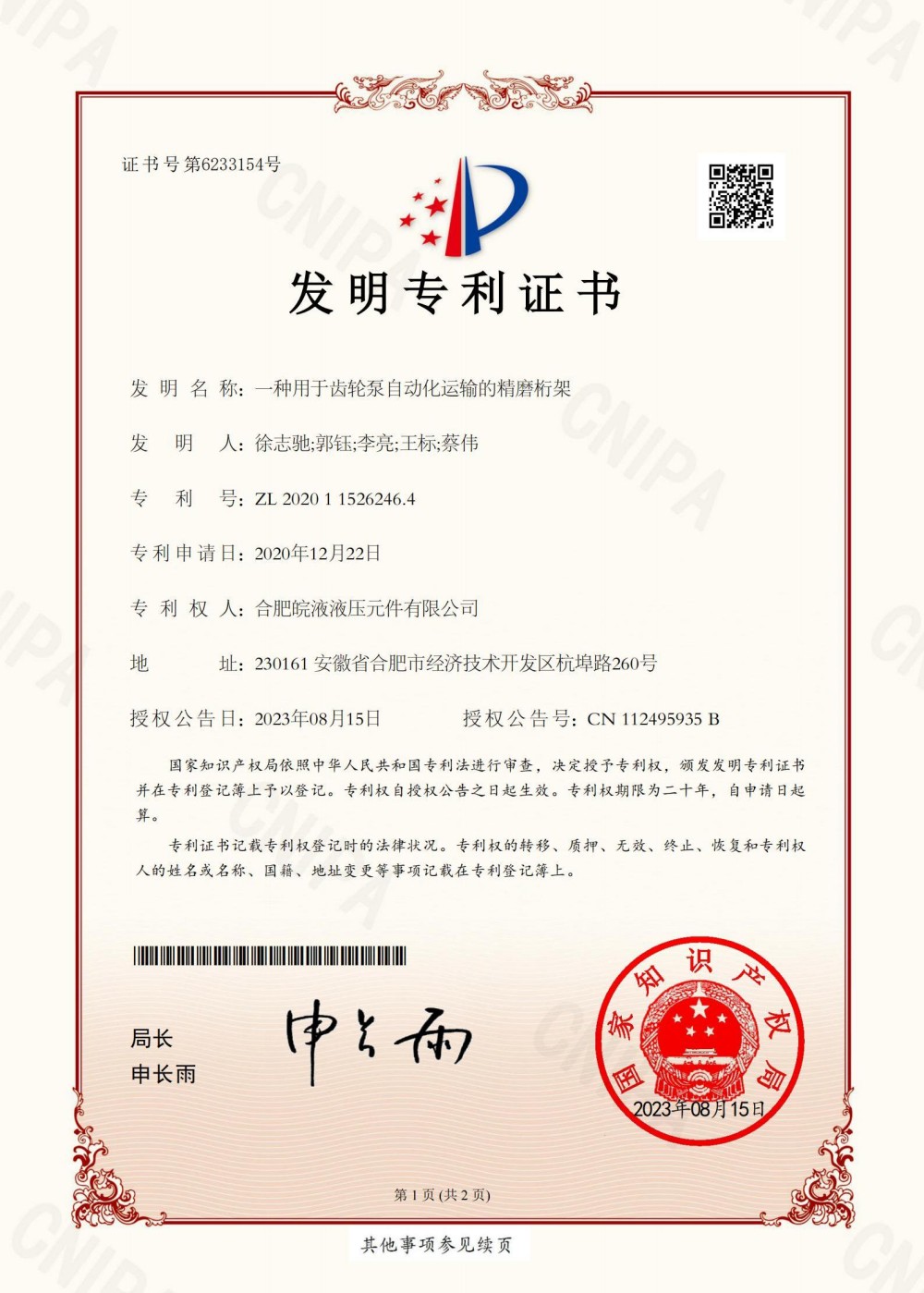
Our commitment to quality and technological innovation is backed by international patents and ISO certifications.
In China, we are the main partners of top equipment manufacturers such as Sany Heavy Industry, Zoomlion Heavy Industry, XCMG Group, etc. We have over 500 major clients in the fields of mobile machinery, industrial equipment, and agricultural machinery.


Explore our full range of hydraulic power units and pump stations engineered for cranes and lifting machinery.