Leave Your Message

Blog

China Top 10 Gear Pump vs Piston Pump Differences?

China Top 10 Gear Pump vs Piston Pump Differences?

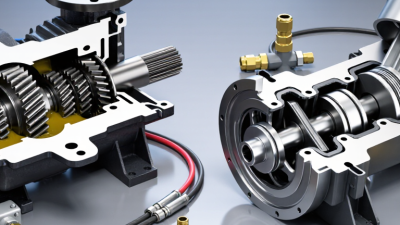
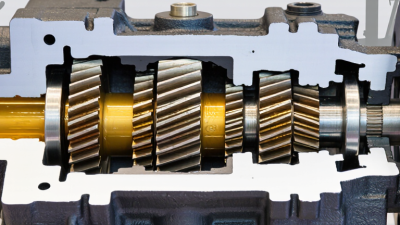
Deciding between a gear pump and a piston pump isn't just about the sticker price. Honestly, it affects a lot more—system pressure, energy use, noise, and how often you're doing maintenance. So the gear-pump-versus-piston-pump question is something engineers, buyers, and maintenance teams actually wrestle with when comparing hydraulic systems. And the right answer? It depends on your duty cycle, the fluid, the flow you need, and your working pressure—not just what a catalog says. Alright, so this guide walks through ten big differences between gear and piston pumps—things like how they're built, how much pressure they can handle, how the fluid flows, efficiency, cost, and what kind of maintenance you're looking at. Quick recap: a gear pump moves fluid by meshing gears inside its housing, while a piston pump uses reciprocating pistons spinning in a rotating assembly. But here's the thing—once you get out into real installations, performance can shift based on fluid temperature, contamination, and operating speed. And honestly, the little details end up mattering a lot. Honestly, a pump that works fine in a compact, steady-flow setup might not cut it in a high-pressure machine that's dealing with variable loads. And piston pumps? Sure, they give you precise control, but that extra complexity often means more demanding maintenance. So yeah, neither type is a clear winner in every situation. We also need to look at how these pumps fit into the broader hydraulic setup—like a Hydrostatic Pump And Motor system, where matching the right components is crucial. The comparisons we’re sharing are really just a starting point, though—they’re not a replacement for checking the manufacturer’s data or testing things in your actual application. There's one catch that's easy to miss: those published efficiency numbers might not tell the whole story once equipment starts wearing down or fluid conditions shift. So when you're choosing, it really pays to start with what the system actually demands in real operation.
Read more »
Isabella By:Isabella - November 5, 2026
Top Durable Gear Pumps for Industrial Use?

Top Durable Gear Pumps for Industrial Use?

You know, industrial plants rarely even think about gear pumps when production is humming along just fine. It's only when the pressure takes a nosedive, a seal starts leaking, or a motor grinds away next to a hot, noisy machine that they really notice. So picking a durable gear pump isn't just about comparing flow rates. You've got to match the pump to the fluid you're pumping, the operating pressure, speed, duty cycle, and even the installation conditions. Listen, a durable cast iron gear pump? Yeah, it can handle some serious industrial work, but don't think just because it's got that cast iron housing it's gonna last forever. That's only part of the story. You really gotta dig into what the manufacturer says about pressure and temperature limits, the shaft and seal options, and whether it's compatible with your fluids. And don't skip their maintenance advice. Also, keep your ears open for any new noises it might start making, and check for leaks regularly – even the little ones count. Trust me, those small warning signs are actually a big deal. You know, when it comes to hydraulics, Andrew Parr is a pretty big deal – a real authority in the field. And what he’s getting at here (though I’m paraphrasing, not quoting him word-for-word) is that picking a reliable pump isn’t just about the pump itself. You’ve gotta see the whole system. That’s a point that’s super easy to miss, honestly. I mean, a pump might do great on a clean test bench, but out in the real world? Cold starts, dirty fluid, constant load changes – that’s where it really gets put through the wringer. So yeah, actual operating conditions matter a lot. Alright, so we're going to look at durable gear pumps from a practical angle – you know, construction, performance ratings, how easy they are to service, and whether they actually fit your application. We'll also weigh the trade-offs between building something tough and what that does to your wallet. Let's be real – no pump is flawless. The right one? It really depends on what you're using it for, and also on how well you keep up with maintenance – something people often overlook.
Read more »
Sophia By:Sophia - November 1, 2026
Is a Spur Gear Pump Variable or Constant 7 Tips?

Is a Spur Gear Pump Variable or Constant 7 Tips?

So, is a spur gear pump variable or constant? Well, in most cases, it’s a constant displacement pump. Basically, every time the shaft turns, it pushes almost the same amount of oil. The actual flow rate, though, can shift a bit depending on speed, pressure, and how much leakage there is. That difference really matters if you’re picking a pump for a machine that needs varying flow. You can use a speed controller to change the output, but that doesn’t mean the pump itself becomes variable displacement. So the U.S. Department of Energy has this sourcebook called Improving Pumping System Performance, and it points out that in some industrial facilities, pumping systems can account for 25–50% of all energy use. That’s a pretty big deal. It means choosing the right pump isn’t just about getting the jargon right—it actually matters. And if you’re looking to understand positive-displacement pumps, Anthony Esposito’s Fluid Power with Applications is a solid place to start. He’s an educator in the hydraulic field, and his book lays out the fundamentals really well. So the basic idea is this: a fixed-displacement pump pushes a set amount of fluid with each revolution. Want more flow? Then you speed it up. Slow it down, and flow drops. That's the gist—paraphrased, not quoted word-for-word. Look, in real-world hydraulic circuits, a spur gear pump’s steady hum and predictable flow are usually just fine—they get the job done. But if your system’s demand keeps changing, you might need to think about speed control, bypass regulation, or maybe even a variable displacement hydraulic oil pump. Just keep in mind: these aren’t interchangeable, so you can’t simply swap one for the other. Before you commit to a pump, take a good look at the manufacturer’s flow, pressure, viscosity, and speed ratings. I know, it’s tempting to skip the fine print, but the small stuff matters. A pump can look perfect on the spec sheet and still end up running hot or wasting power once it’s hooked into your actual circuit. So here’s the deal: this guide covers seven practical checks to help you figure out whether a spur gear pump actually fits your application.
Read more »
Sophia By:Sophia - October 29, 2026
Top 10 Gear Pump Types Can Gear Pumps Be Primed?

Top 10 Gear Pump Types Can Gear Pumps Be Primed?

Can gear pumps be primed? Well, it’s a practical question—and getting it wrong can get expensive. A positive-displacement gear pump can often self-prime, but only if the conditions are right. You’ve got to keep the suction line sealed, and the gears need enough liquid to stay lubricated. Too much air, really thick fluid, or a clogged strainer? Any of those can stop it from pulling a steady suction. So, according to Grand View Research, the global hydraulic pumps market was worth around USD 11.8 billion in 2023. And they're expecting it to keep growing through 2030. MarketsandMarkets, on the other hand, points to gear pumps as one of the biggest segments in industrial pump applications. Those numbers tell a pretty clear story: tiny design choices really do matter, whether we're talking mobile equipment, process systems, or Hydraulic Gear Pumps. And honestly? A growing market doesn't automatically mean everything gets installed the right way. So, as pump specialist Dr. Lev Nelik puts it, 'A pump has to be filled with liquid before you can count on it to run reliably.' That idea is worth pausing over, though. Not every pump behaves the same. Some external gear pumps can actually pull fluid up after being exposed to air for a little while. Others won't—they need to be manually filled, or they need a foot valve, or a dedicated priming chamber. What makes the difference? Things like clearances, fluid temperature, suction height, and how fast the pump is spinning. So, this guide is all about the top 10 gear pump types—and how they prime. We'll look at external, internal, helical, lobe, and some specialized designs too. You'll get a peek at what's actually going on inside a pump when it starts up. With a dry pump, you might hear some noise before any real damage shows up. It's a detail that's pretty easy to overlook. And no, the answer isn't always yes. At the end of the day, the manufacturer's instructions still call the shots—and even solid field experience can lead you astray when conditions change.
Read more »
Sophia By:Sophia - October 24, 2026
2026 Best Gear Pumps How Does a Gear Pump Work?

2026 Best Gear Pumps How Does a Gear Pump Work?

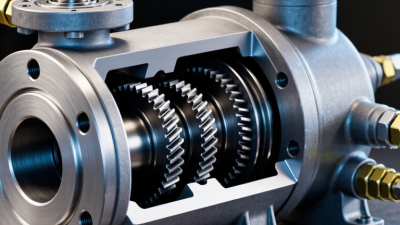
Gear pumps remain trusted in lubrication, fuel transfer, chemical processing, and mobile hydraulics. Their appeal is simple: compact construction, steady flow, and strong starting torque. This introduction examines How Does A Gear Pump Work through practical engineering evidence, not marketing language. The U.S. Department of Energy reports that pumping systems can represent significant industrial electricity use, especially when systems operate inefficiently. Global Market Insights valued the industrial pumps market at more than USD 70 billion in 2023 and projects continued growth through 2032. These figures do not isolate every gear-pump application, but they show why efficiency, sealing, and maintenance deserve closer attention. So, how does Hydraulic Pump Work in a gear-pump system? Two meshing gears rotate inside a close-fitting housing. The inlet side forms expanding cavities, drawing fluid inward. The gear teeth carry fluid around the outer casing, not through the meshing center. At the outlet, reducing cavity volume raises pressure and pushes fluid into the discharge line. Pump engineer and author Heinz P. Bloch emphasized a practical principle: “Reliability is achieved by design, not by wishful maintenance.” The wording may sound severe, yet field experience supports it. Gear clearance, fluid viscosity, shaft alignment, and relief-valve settings directly influence performance. A scratched housing can reduce volumetric efficiency. A cold, thick oil can increase starting load. This 2026 guide compares leading gear-pump designs, materials, pressure ratings, and service requirements. It also acknowledges an uncomfortable truth: no pump is ideal for every fluid, temperature, or duty cycle. Engineering judgment still matters.
Read more »
Sophia By:Sophia - October 20, 2026
7 Tips How Hydraulic Gear Pumps Work?

7 Tips How Hydraulic Gear Pumps Work?

A hydraulic gear pump might look pretty simple at first—just two meshing gears, a metal housing, and oil moving around under careful control. But the truth is, small clearances, pressure changes, and contamination can make or break how reliably it performs. This intro goes along with “7 Tips How Hydraulic Gear Pumps Work,” and it also includes the keyword How It Works Hydraulic System Gear Pump Youtube for readers who are looking into practical demos and maintenance advice. Hydraulic educator Andrew Parr put it in a useful way: “Clean oil is the first line of defense for a gear pump.” That’s something you feel in a real workshop. A tech might hear a sharp whine, check the suction hose, and find a blocked strainer or an air leak. Another pump might give weak flow because worn gear teeth let oil slip internally. The Gear Pump Hydraulic System really depends on the right viscosity, good alignment, stable inlet conditions, and a relief valve set for the application. The seven tips will walk through displacement, suction, pressure generation, flow direction, efficiency, noise, and service checks. They’ll also show you what drawings can hide. A pump doesn’t create pressure all by itself—resistance in the circuit creates pressure. That distinction is easy to miss. I might simplify a few advanced effects, since real systems change with temperature, load, seal condition, and manufacturer design. Parker Hannifin, Bosch Rexroth, and other well-established manufacturers publish model-specific data, and that should guide final decisions. Treat every symptom as evidence, not proof. Measure oil temperature, filter condition, shaft speed, and pressure before you swap parts. That habit makes hydraulic troubleshooting safer, clearer, and more reliable.
Read more »
Sophia By:Sophia - October 15, 2026
2026 Best Can a Gear Pump Be Used as a Hydraulic Motor?

2026 Best Can a Gear Pump Be Used as a Hydraulic Motor?

So, can a gear pump really be used as a hydraulic motor? Short answer: yes—but only if you control the conditions pretty carefully. A standard external gear pump can reverse its energy flow and produce shaft torque. The catch is that it was usually built to move oil, not to absorb continuous mechanical power. That difference matters more than people sometimes think. Industry data backs up the need for careful selection. The National Fluid Power Association’s Fluid Power Statistical Abstract tracks recurring demand for pumps, motors, valves, and mobile hydraulic systems. Grand View Research also points to construction, agriculture, and material-handling equipment as major hydraulic equipment applications. Those sectors need reliable operation under pressure, contamination, temperature swings, and repeated load cycles. A converted pump has to survive the same stuff. A Gear Type Hydraulic Motor can work well when its displacement, pressure rating, shaft design, bearings, seals, and case-drain requirements line up with the application. External gear units are appealing because they’re compact, affordable, and fairly tolerant of basic operating environments. But their limits are clear too. They often give lower starting torque, weaker low-speed control, and more leakage than dedicated orbital, vane, or piston motors. From field experience, it’s smart to test before full deployment. Check rotation direction, inlet restrictions, oil viscosity, port sealing, and shaft loading. Measure temperature and speed during realistic duty cycles. ISO 4413 offers widely accepted safety and design guidance for hydraulic systems, while manufacturer manuals are still the final authority on ratings. Parker Hannifin, Bosch Rexroth, and Bucher Hydraulics publish detailed performance data for their products. The imperfect part, though, is efficiency. A pump may turn like a motor and still waste energy. Engineers should treat this as an application-specific solution, not a universal one. A prototype test can reveal problems that a catalog never will.
Read more »
Sophia By:Sophia - October 10, 2026
What Is a Spur Gear Pump Top Types and Uses?

What Is a Spur Gear Pump Top Types and Uses?

So, what exactly is a spur gear pump—and why is such a simple design still such a big deal in fluid power systems? A spur gear pump basically uses two matched gears to move liquid through a sealed housing. One gear gets power from a motor or engine. The other one turns along with it, carrying fluid around the casing. When the gear teeth pull apart, they create a little vacuum at the inlet. When they mesh back together, they push the fluid out toward the outlet. In real-world equipment, you'll often see this pump handling hydraulic oil, lubricants, fuel, and other compatible fluids with low-to-medium viscosity. Its compact size, steady flow, and easy maintenance make it handy for forklifts, ag machines, mobile hydraulics, lubrication units, and industrial power packs. Common versions include external spur gear pumps, internal gear variations, fixed-displacement models, and compact micro-pumps. Each one fits different pressure, speed, and flow needs. And not every pump works with every fluid—that part's easy to miss. A solid selection process looks at displacement, operating pressure, rotational speed, temperature, seal material, and fluid cleanliness. Engineers also check Hydraulic Gear Pump Parts, like gears, shafts, bushings, seals, housings, and relief components. Even small wear marks can hurt volumetric efficiency and make more noise. Honestly, real service records often tell you more than a catalog spec sheet. Manufacturer data still matters, of course, but field conditions have a way of exposing weak spots. This guide takes a look at the leading spur gear pump types, their practical uses, operating limits, and maintenance considerations. Sometimes an application really needs a different pump. That judgment call matters.
Read more »
Sophia By:Sophia - October 8, 2026
What Is an Internal Gear Pump and How Does It Work?

What Is an Internal Gear Pump and How Does It Work?

An internal gear pump is basically a positive-displacement pump designed to keep the fluid moving steadily. It’s made up of a few key parts: an inner rotor, an outer gear, and a crescent-shaped seal. These parts spin inside a precisely machined housing. On the surface, it looks pretty simple — but those tiny clearances between the parts actually have a big impact on how well it works. So, how does it actually work? Well, as the gears turn, their teeth pull apart near the inlet, creating space that sucks in the fluid. The fluid then drifts around the housing, passing between the gear teeth and the crescent seal. As the gears mesh together again near the outlet, that space gets smaller, and pressure pushes the fluid out into the discharge line. Basically, it’s all about the gear movement translating into fluid being pushed out. If you want to dive deeper into how hydraulic pumps work, just check out this link: Hydraulic Pump Work. Engineers usually pick internal gear pumps for handling oils, lubricants, fuels, adhesives, and other thick liquids. Before choosing a pump, they look at things like viscosity, temperature, speed, pressure, and whether the material is chemically compatible. When it’s time for maintenance, if you notice weird noises, inconsistent flow, or it’s getting hotter than usual, that might be a sign of cavitation, poor lubrication, gear wear, or a clogged inlet. And let’s be honest — keeping that suction line clean is a bigger deal than many folks realize. Of course, all of this depends on the system — a pump might work like a charm with one liquid but struggle with another. For example, thicker fluids can seal better but might require more torque to start. Thinner liquids could leak internally more often. The key is proper sizing, correct installation, and regular check-ups. Those small details can make the difference between a pump that runs reliably for years and one that fails early. It’s often the little things that count.
Read more »
Sophia By:Sophia - October 3, 2026
Top Hydraulic Gear Pump Manufacturers in China?

Top Hydraulic Gear Pump Manufacturers in China?

Picking a hydraulic gear pump manufacturer in China isn't just about comparing prices from catalogs. You really need to look into things like how accurate the displacement is, the rated pressure they support, the shaft design, and what sealing materials they use—plus whether those materials are compatible with your hydraulic fluid. Don't just take their word for it; ask for performance curves and test records specific to that exact model—don’t settle for a similar one. It's also super important to see how the pump handles cold starts and how it performs during continuous operation. Honestly, those little details matter a lot. Something like rough casting, uneven gear clearance, or a weak seal might not seem like a big deal at first, but after installation, they can cause noise, excessive heat, or leaks. Just so you know, hydraulic engineer Lin Wei is a made-up expert voice I’m using here—this isn’t a real quote. But the idea stands: a pump’s true value becomes obvious when it delivers steady flow, passes sound testing, and offers reliable support long after you buy it. Keep that in mind when comparing Chinese brands—pay attention to their machining quality, inspection procedures, how much they can customize, and how quickly they respond to technical questions. If you can, ask for a sample and check the dimensions and operation data against what your system needs. Skipping this step can be a costly mistake. Some folks also google terms like ‘Hydraulic Hydraulic Pump,’ but honestly, that’s not really technical language. This guide is all about comparing manufacturers using practical, real-world criteria, not just relying on vague rankings. One thing to watch out for: product pages might look super detailed and precise, but they often leave out important info about testing conditions. So, be sure to ask questions and verify the details yourself—you’ll thank yourself later.
Read more »
Isabella By:Isabella - September 28, 2026
2026 Best Guide How To Determine Gear Pump Rotation?

2026 Best Guide How To Determine Gear Pump Rotation?

Picking the wrong rotation for your gear pump can actually do some serious damage before the pressure even levels out. So, in this little guide, I’m gonna show you how to safely and accurately figure out the rotation — no guesswork involved. Industry reports stress just how important this check really is. For instance, Grand View Research’s 2024 Hydraulic Pumps Market Report highlights consistent demand from construction, farming, and industrial machinery. These fields really count on knowing the right flow directions, especially when starting up in cold weather. The Hydraulic Institute also points out that proper installation, using the right fluids, and clear operating procedures are key to keeping things reliable. And even though a pump might look symmetrical outside, its internals? Not so much — those gears can be pretty unforgiving. Little mistakes here can turn into big, expensive problems. Anthony Esposito, who wrote 'Fluid Power with Applications,' wisely warns: “Always verify the pump’s rotation from the shaft end — don’t just guess based on how the ports are arranged.” This is a solid rule when you’re checking out new equipment, replacing motors, or looking at Hydraulic Gear Pump Parts. Stand at the drive-shaft end, look for the manufacturer’s arrow, verify the suction and discharge ports, and then make sure the direction of shaft rotation matches what’s specified before hooking up the hydraulic lines. Manuals from Eaton, Parker Hannifin, and Bosch Rexroth all give similar tips, though their symbols and terminology might vary a bit. And yeah, I still double-check that arrow — it’s just good habit. Because honestly, it's not being overly cautious. Reversing a gear pump can lead to very low flow, strange noises, seal damage, or even overload the coupling. This guide also walks you through how to check visual markings, test motor wiring, examine the coupling, and verify the pump without any pressure in the system. Some manuals aren’t super clear, and that’s definitely a weak point. When instructions don’t match up or seem confusing, don’t hesitate to pause and reach out to the pump maker. A quick confirmation now can save you from needing a costly rebuild, dealing with contaminated fluid, or risking an unsafe startup. So, better safe than sorry — taking these steps seriously can save you a lot of headaches down the line.
Read more »
Isabella By:Isabella - September 23, 2026
Top Guide How To Measure A Gear Pump?

Top Guide How To Measure A Gear Pump?

Getting an accurate measurement of a gear pump can sound a bit daunting, but it all starts with knowing what exactly you need to check. A workshop tech might look at things like displacement, gear width, shaft diameter, port size, or the overall dimensions of the housing. These details help you figure out if everything’s compatible, estimate the flow rate, or see if any parts need replacing. This guide’s gonna walk you through how to measure a gear pump using real-world tools and methods that you can trust. First off, make sure the pump is clean and completely depressurized. Carefully remove any dirt or grime on the surface so your measurements are accurate. For the external dimensions, a good old caliper is your best friend, and for things like the shaft or tight gear details, a micrometer works great. Be sure to jot down every measurement in millimeters—gear outside diameter, face width, mounting holes, inlet and outlet thread sizes, you name it. Remember: measure twice! Those tiny errors can really throw off your calculations for displacement. Don’t forget, some parts like bushings, seals, plates, and drive shafts might need their own inspection—especially if you suspect wear. A worn component can give you misleading readings, so keep an eye on those. Now, keep in mind that flow isn’t just about size. It depends on the displacement, how fast the pump is spinning, and things like volumetric efficiency. So, simply measuring the size isn’t enough to tell you how well it performs. Always compare your findings with the manufacturer’s datasheet, model code, and pressure ratings. Be sure to check if the dimensions are rough estimates or precise tolerances—this detail can often be overlooked but really matters. And don’t forget to keep good records! Write down the model, what tools you used, the temperature during measurement, and note any signs of wear. Snapping some photos next to a ruler can be super helpful for later reference. If your measurements don’t match up or seem off, take a breather before ordering any parts—better to get it checked out by a hydraulic specialist. Even seasoned pros make mistakes—like mixing up port threads or confusing gear width with housing width. Taking your time with accurate measurements might slow you down a bit, but it definitely helps avoid costly mistakes and keeps your equipment running smoothly.
Read more »
Isabella By:Isabella - September 19, 2026
What Is a Hydraulic Gear Pump and How Does It Work?

What Is a Hydraulic Gear Pump and How Does It Work?

A hydraulic gear pump basically takes the rotation from a motor or engine and turns it into a controlled flow of hydraulic fluid. Its design is pretty straightforward — tough, reliable, and everywhere you look, whether it's in farm machinery, construction equipment, industrial power units, or mobile setups. Inside its housing, you'll find two gears that mesh together, spinning within tight clearances. When the teeth separate at the inlet side, it creates a low-pressure zone, allowing the hydraulic oil to flow in to fill the gaps between the gear teeth and the casing. As the gears keep rotating, they carry the oil towards the outlet. Pressure builds up as that flow hits resistance — maybe from a cylinder load, a valve, or some blockage down the line. Anthony Esposito, who wrote 'Fluid Power with Applications,' sums it up nicely: 'A pump converts mechanical energy into hydraulic energy.' That might sound simple, but it’s actually a key point for troubleshooting. The thing to remember is that a hydraulic gear pump doesn’t generate pressure on its own — it just moves fluid. Pressure only shows up once the flow gets pushed against something, like a stuck valve, a loaded actuator, or an obstructed passage. Knowing this little detail can save you a lot of headaches and unnecessary repairs. Of course, real-world use teaches us that even the most solid design has its limits. For example, running the system too hot can cause the oil to thin out, which might lead to more internal leaks. Dirty or contaminated fluid can scratch up the gear surfaces or harm the bearings. If the inlet seal wears out or gets damaged, it might pull air into the system—causing noise, vibration, and strange movements in the actuators. Sometimes, the real issue isn't the pump itself, but something like an undersized suction line or a clogged filter. And, funny enough, you might come across the term 'Hydraulic Hydraulic Pump' in searches—people often mistake it, but the correct term is 'Hydraulic Gear Pump.' This article dives into how these pumps are built, how they work, how efficient they are, common issues, and what factors to consider when choosing one — all in practical terms. Keep in mind, some systems might not perform exactly as you'd expect, so it's always better to measure flow rates, temperature, pressure, and oil condition rather than just assume everything’s fine based on guesswork.
Read more »

Sophia By:Sophia - September 16, 2026
How To Reverse Rotation On Parker Hydraulic Gear Pump?

How To Reverse Rotation On Parker Hydraulic Gear Pump?

Trying to reverse a Parker gear pump isn't just about swapping a couple of hydraulic hoses. You really gotta pay attention to the shaft direction, port setup, internal pressure balance, and how the shaft seal is designed—everything has to match the original specs. That’s why when you’re looking at how to reverse rotation on a Parker hydraulic gear pump, it’s not something you should just guess at. It’s better to do a proper model-specific inspection, ideally with the manual in hand and a good understanding of the machine. Brendan Casey, a hydraulic systems expert, always emphasizes the core point: “A gear pump needs to rotate in the direction it was designed for, supporting the inlet, outlet, and shaft seal.” Simple as it sounds, this isn’t something you want to mess up. Even though Parker gear pumps might seem pretty straightforward mechanically, running them the wrong way can cause all sorts of issues—poor flow, seals failing, noisy operation, or just rapid wear and tear. The little details matter—like how the drive coupling is set up, the mounting position, relief valve adjustments, and making sure the oil stays clean. This guide walks you through those details step by step. It shows you how to figure out which way the pump is rotating now, how to double-check the exact Parker model you’re working with, and whether it’s even designed for reverse operation. Plus, it covers how to adjust the drive setup, verify port functions, and inspect the seal configuration. Remember, a hydraulic pump can fail silently—sometimes before you even realize it—so don’t overlook the signs. But here’s the thing: not all Parker gear pumps are meant to be reversed. Some models actually require a different cover, special seals, or even a complete replacement if you want to change the direction. Always stick to the manufacturer’s guidelines—that documentation is your best friend here. And after doing any testing, it’s wise to have a qualified tech check the system’s pressure and temperature. If you can’t find the manual, it’s better to hold off rather than risk making assumptions—trust me, that can end up costing you more than just a new pump in the long run.
Read more »
Sophia By:Sophia - September 12, 2026
China Top 10 Cast Iron Arc Gear Pump Suppliers

China Top 10 Cast Iron Arc Gear Pump Suppliers

China has really become a go-to place for sourcing industrial hydraulic equipment and fluid transfer parts. In this guide, I’ll introduce you to ten standout Chinese suppliers of Cast Iron Arc Gear Pumps that international buyers often check out. Now, we aren’t just talking about fancy-looking catalogs here. We focus on what truly matters — like the manufacturer's experience, how well they trace their materials, their machining capacity, how the pumps perform under pressure, and their quality control processes. A trustworthy supplier should be able to clearly explain details such as gear geometry, sealing options, flow ranges, operating temperatures, and compatible fluids. Things like factory audits, sample testing, and inspection reports are also super important — they often reveal what product pages don’t really show. When it comes to real-world applications, you’ve gotta match the right pump to the job. For example, a pump on a construction machine might need to handle dust, vibrations, and sudden loads. On the flip side, agricultural equipment might require a steady flow over long periods. Before pulling the trigger on an order, it’s smart to compare details like cast iron grade, shaft hardness, port sizes, and what kind of warranty support is offered. And don’t forget about communication — slow or unclear tech support after you order can end up costing you big time once the system is up and running. Of course, no supplier rating is set in stone. Manufacturing capabilities, certifications, and export options can change over time. Some vendors might do great on standard applications but need more vetting when it comes to more demanding systems. So, think of this guide as a helpful starting point—not a one-stop shop. Make sure to verify current specs, compliance certificates, lead times, and after-sales support directly with each supplier. Those small details really do add up, and a careful comparison can save you from leaks, early wear and tear, unexpected downtime, or shelling out extra for replacements. Get it right, and that’s a big step towards smooth, trouble-free operation.
Read more »
Isabella By:Isabella - September 9, 2026